Pet Travel Accessories That Earn Their Place
A boot full of impulse buys will not make a journey better for your pet. The pet travel accessories that truly earn their place are the ones that solve a real problem: keeping a nervous cat contained, supporting an older dog on a long outing, or helping your companion travel safely in the car. Start with how you travel, where you are going and what your pet can comfortably manage.
Pets are family, and they deserve a seat on the adventure too. That does not mean buying every travel gadget available. It means choosing well-made equipment that protects their comfort, dignity and safety from your front door to the final stop.
Start with the journey, not the product
A carrier that works beautifully for a short walk to the vet may be unsuitable for a flight. A soft car seat may suit a small, settled dog, while a larger dog may need a properly secured crate with space to stand, turn and lie down. The right choice depends on your pet's size, temperament, health and travel habits, as well as the vehicle or transport provider's requirements.
Think through the full journey rather than only the time spent moving. Where will your pet wait? How far will they walk? Will they need water, a toilet break, shade or a quiet place to rest? A young, fit spaniel and a dog recovering from surgery can join the same family day out, but their kit list should look very different.
It also pays to distinguish convenience from safety. A travel bowl is useful. A correctly fitted restraint or crash-tested crate is a far more meaningful investment. Premium equipment should not just look the part - it should have a clear job, appropriate materials and specifications you can check.
Pet travel accessories for safer car journeys
For many families, the car is where travel decisions matter most. Pets should be prevented from distracting the driver and should not be loose in the cabin. The most appropriate solution varies with the animal and the vehicle.
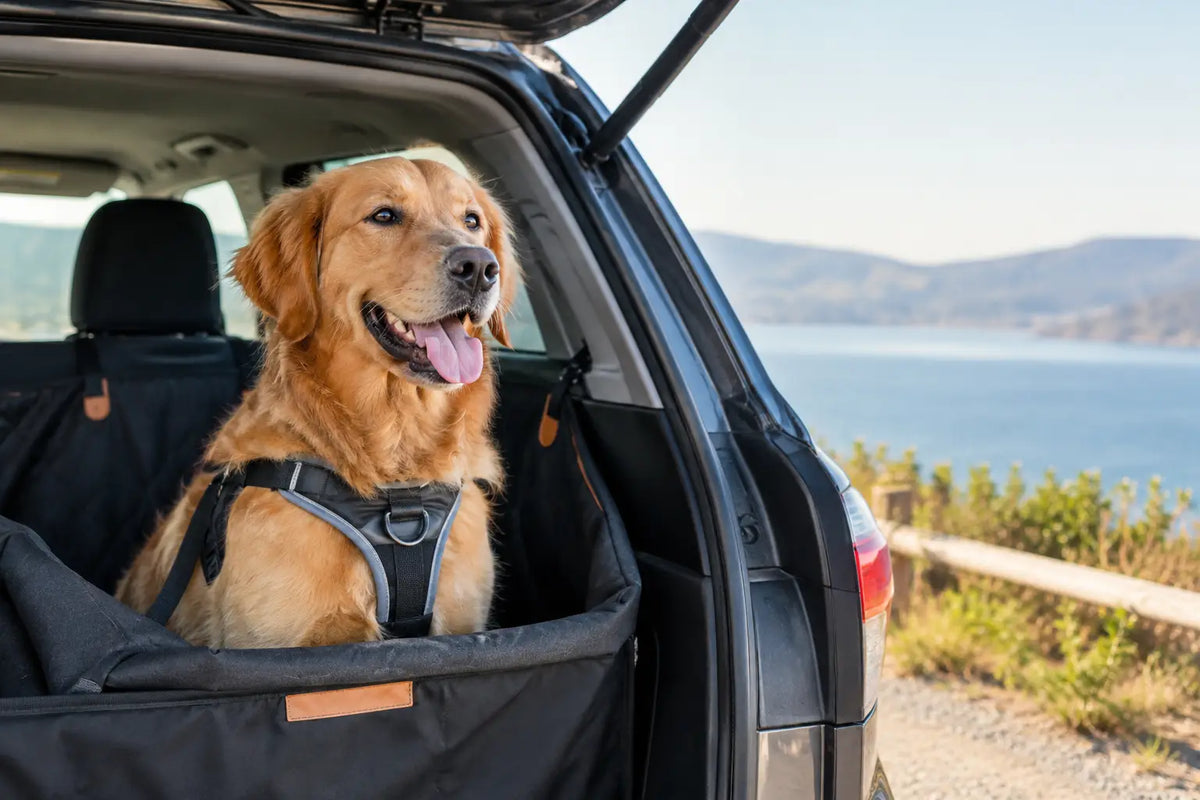
A crash-tested car crate can offer excellent protection and containment for dogs travelling in the boot area, provided the crate is sized correctly and installed as instructed. Look closely at the stated vehicle fit, crate dimensions and testing information. A crate that is too large allows unnecessary movement; one that is too small makes longer journeys uncomfortable. Measure your available boot space, including the height under the parcel shelf, before committing.
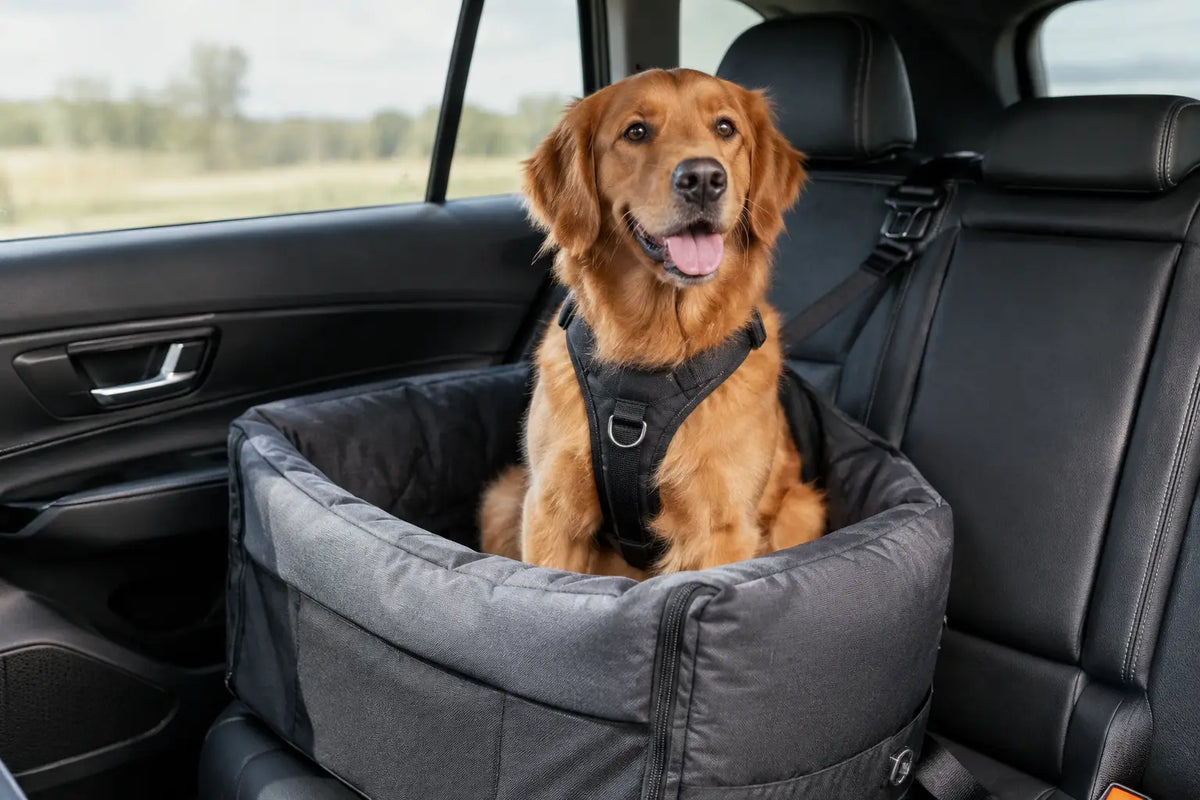
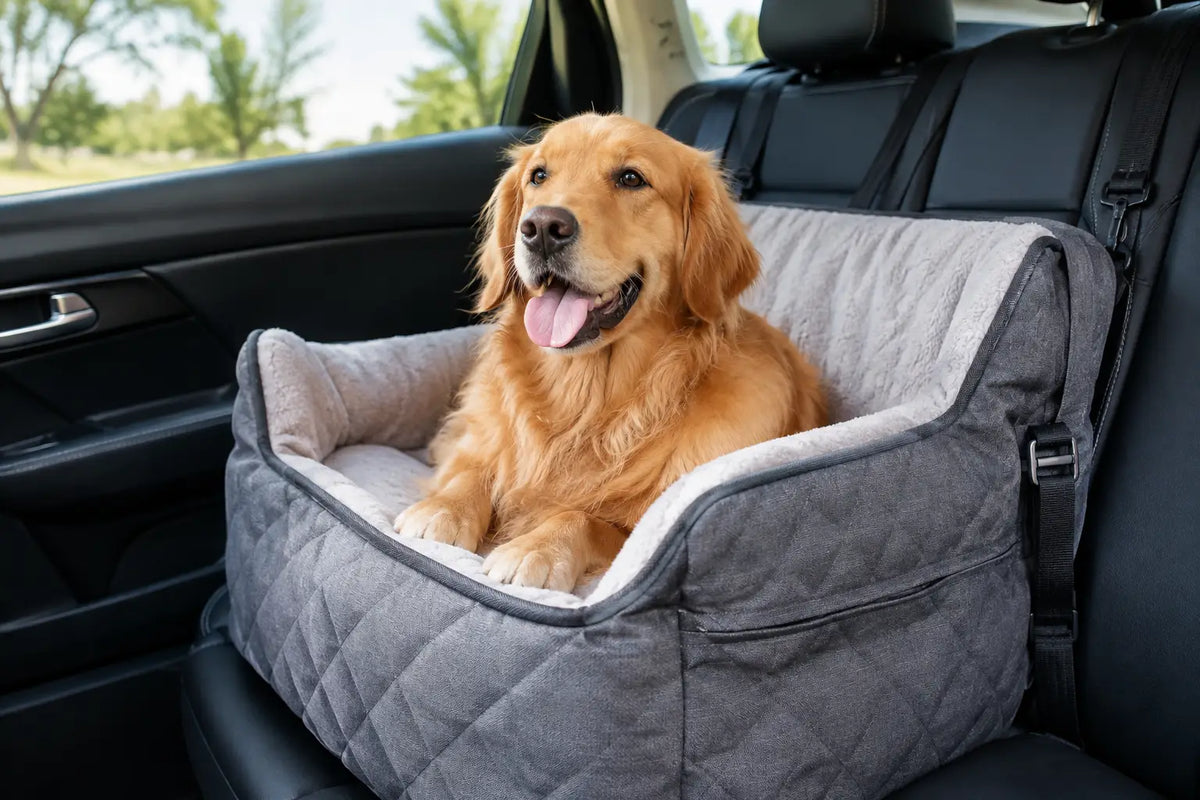
Small dogs may be more comfortable in a purpose-designed car seat. An ISOFIX pet car seat can be a particularly reassuring option where both the seat and your vehicle are compatible. The connection method, maximum weight limit and internal dimensions all matter. Never assume that an ISOFIX label means a product will fit every car or every dog.
Harness-based travel restraints can be practical for some dogs, particularly when a crate is not possible. The trade-off is that a harness needs careful fitting and should be used only as intended by its manufacturer. Avoid attaching a lead to a collar in the car. Sudden force through the neck is not a safe substitute for a dedicated restraint.
For longer drives, build in calm stops. Offer water, give your dog a chance to toilet and let them stretch without turning every break into high excitement. A familiar blanket can help a pet settle, but do not use bedding so bulky that it compromises the secure fit of a car seat or crate.
Comfort is part of safe travel
A stable resting surface, good ventilation and a manageable temperature make a substantial difference. In warmer weather, plan journeys around the coolest part of the day where possible and never leave an animal unattended in a parked car. In cold weather, an insulated blanket or well-fitting coat may help smaller, short-coated or older pets, but overheating is still possible in an enclosed space.
Nervous travellers often benefit from preparation more than extra products. Let them explore the crate, carrier or car seat at home with the door open. Add treats, a familiar scent and short, positive sessions. Once they are relaxed, progress to a few minutes in the stationary car, then brief drives. This gradual approach is especially valuable for cats, who may find the sounds and movement of a journey unsettling.
Carriers and crates for trains, taxis and flights
A good carrier should be secure, well ventilated and comfortable to carry without swinging or collapsing. For cats and small dogs, consider both your pet's dimensions and the practical route through stations, car parks and waiting areas. A carrier with a firm base helps animals feel steadier, while accessible openings make it easier to offer reassurance without risking an escape.
For public transport, discreet containment and easy handling are often as valuable as extra features. You may need to lift the carrier, place it at your feet or navigate a busy platform. Choose handles and shoulder straps that feel secure in your hands, then practise using them before the day of travel.
Air travel requires extra care. Airlines set their own rules on carrier dimensions, whether a pet may travel in the cabin, ventilation, absorbent lining and documentation. “Airline-compliant” should always be checked against the specific airline and route before booking, as requirements can change. Measure the carrier externally, measure your pet comfortably inside it and leave time for any airline approval process.
Do not sedate a pet for travel unless a vet has specifically advised it. Sedation can affect balance, breathing and temperature regulation, particularly during air travel. If anxiety or motion sickness is a concern, speak with your vet well ahead of the journey so you have time to trial their recommended plan.
Strollers, trailers and mobility support keep plans possible
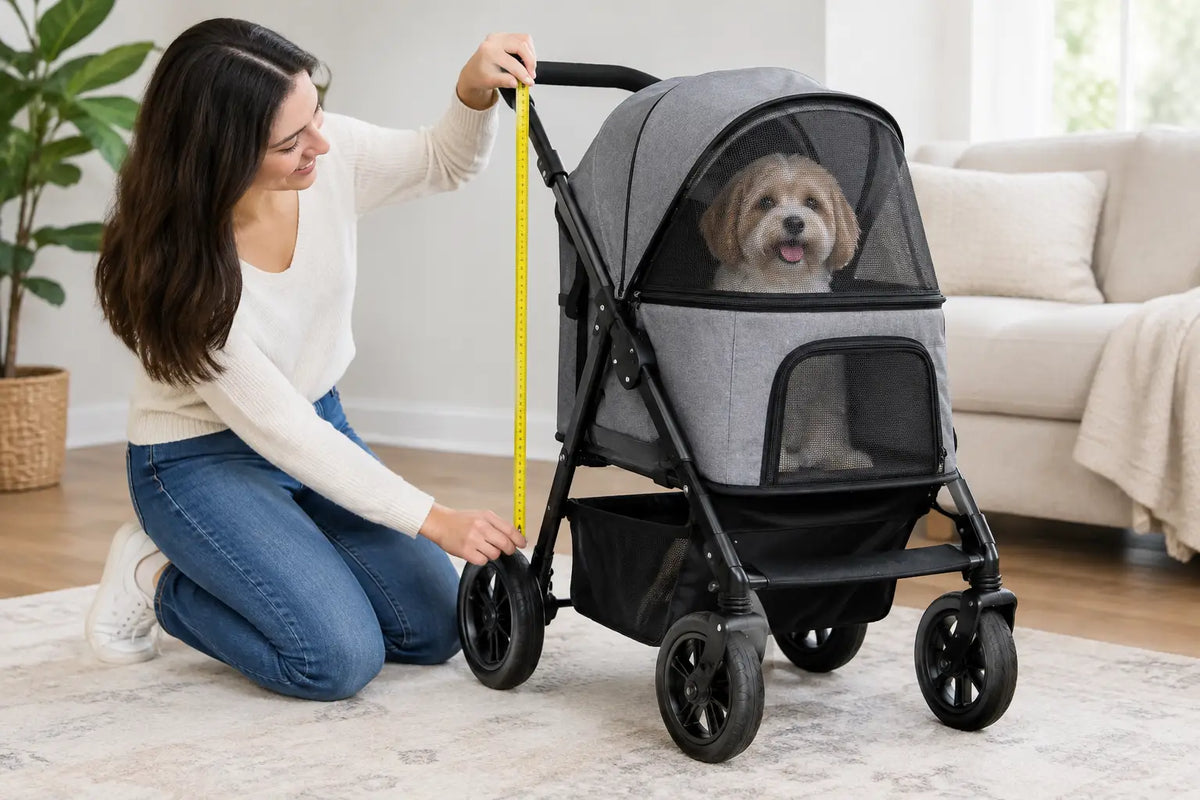
Not every adventure needs to end when walking becomes difficult. A dog stroller or pram gives senior dogs, small breeds, post-operative pets and dogs managing conditions such as IVDD a chance to come along without being pushed beyond their limits. It can also be useful in crowded town centres, on longer family days out or when a puppy needs social exposure without covering too much ground.
Choose a stroller by looking at the cabin dimensions, weight capacity, wheel type and terrain you actually use. Small wheels may be perfectly adequate for pavements and shops; larger, more capable wheels are better suited to uneven paths. Check how easily the pram folds if it needs to go in the car, and ensure your pet can lie down naturally rather than perch awkwardly.
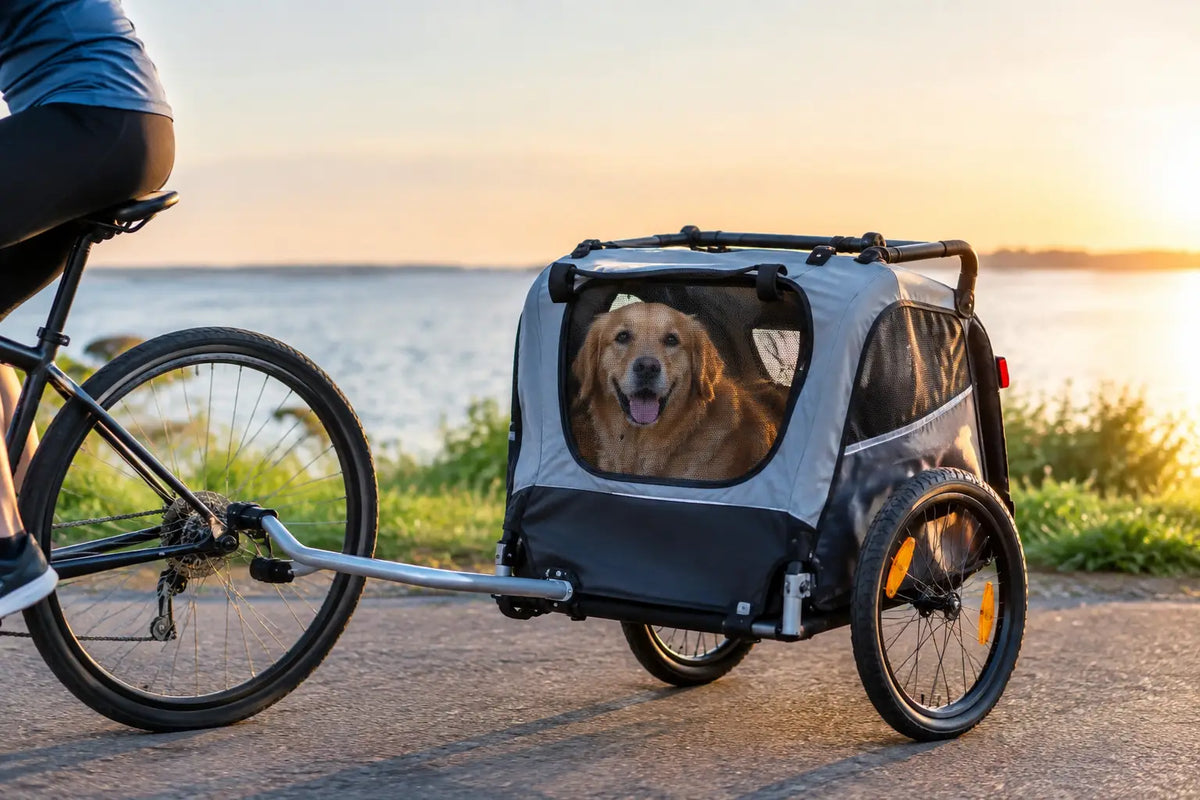
Bike trailers bring a different set of considerations. A stable trailer, secure attachment, weather protection and gradual training are essential. Begin with your pet sitting calmly in the stationary trailer, then introduce short, slow rides in a quiet area. Some dogs love the view; others find vibration and noise overwhelming. There is no prize for rushing the process.
For dogs with reduced mobility, a wheelchair, rear-support lead or lifting harness can preserve independence and make essential outings kinder on both pet and owner. Fit is critical. A mobility aid should support the body without rubbing, restricting natural movement or placing pressure on sensitive areas. Recovery needs can change week by week, so seek guidance when choosing a configuration and reassess as your dog becomes stronger or their condition evolves.
The small essentials that prevent big problems
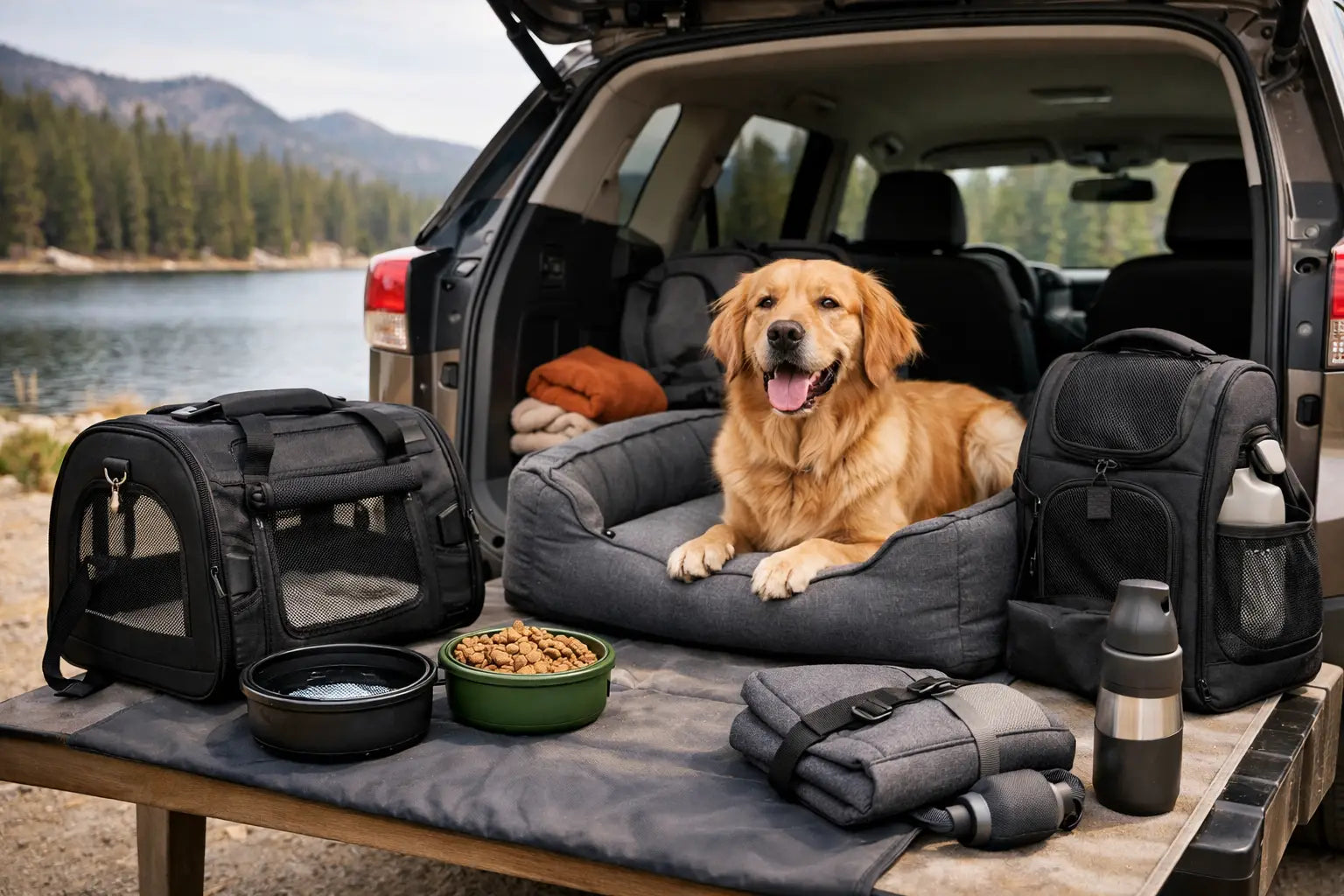
Once your main transport solution is sorted, a few compact items make travel more comfortable. A water bottle or collapsible bowl is useful for day trips, while absorbent towels, poo bags and a spare lead handle the predictable messes and mishaps. For longer outings, pack enough of your pet's usual food to avoid an abrupt diet change, plus any medication in clearly labelled packaging.
A simple travel kit is worth keeping ready near the door. Include a towel or blanket, cleaning wipes suitable for pets, a small first-aid kit, treats and a copy of relevant veterinary information. If your pet is prone to escaping when startled, add an ID tag with current contact details and make sure their microchip record is up to date.
The best accessories are often the quietest ones: the blanket that smells of home, the carrier your cat walks into willingly, the support harness that lets an older dog manage the kerb with confidence. They remove friction from the day and leave more room for the part that matters - being together.