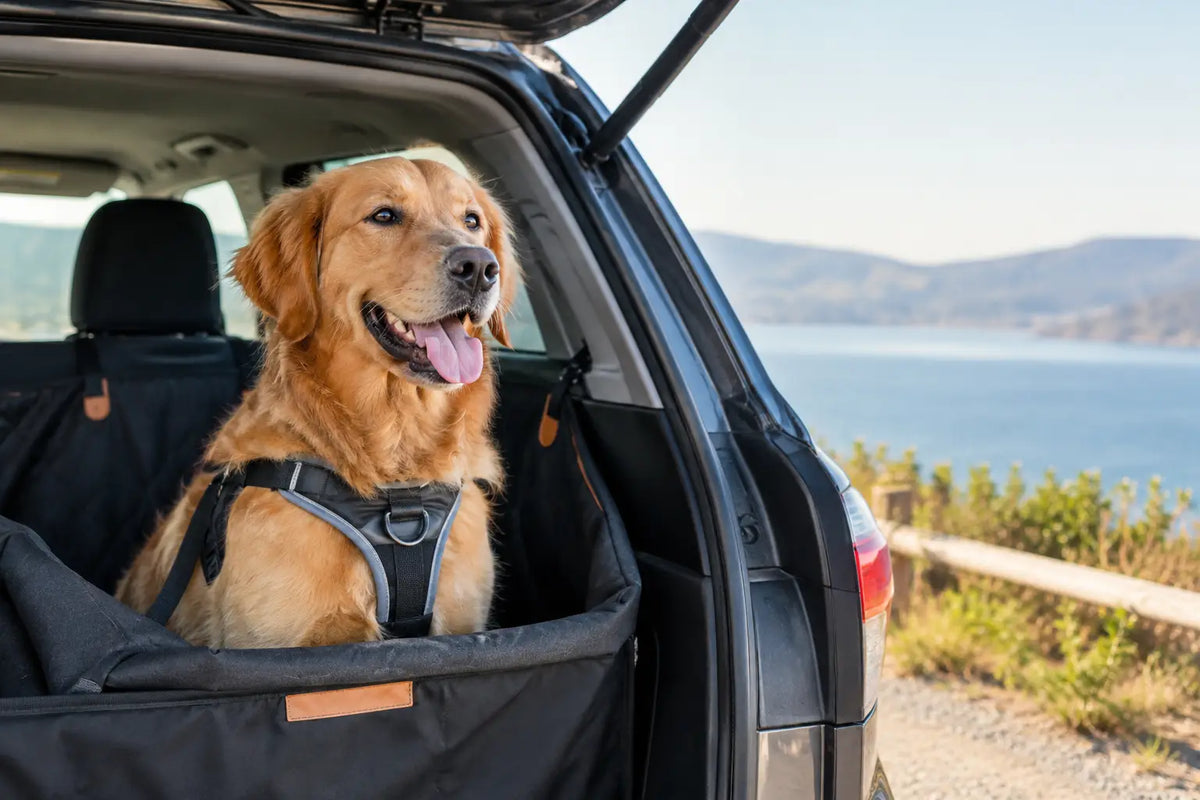
Pet Travel: Safety, Comfort and Freedom Together
A muddy boot, a packed picnic and a dog who knows the sound of the car keys: the best days out often begin before you leave the drive. But pet travel is not simply a matter of bringing them along. A journey that feels exciting to us can be noisy, unfamiliar and physically demanding for a dog or cat - especially a puppy, a senior pet or an animal recovering from injury.
The right travel set-up lets pets stay part of family life without asking them to compromise on safety or comfort. Whether you are heading to the park, taking a train across town, cycling a country lane or setting off on a holiday, the aim is the same: secure containment, proper support and enough calm for your companion to arrive feeling like themselves.
Pet travel starts with the journey, not the product
It is tempting to choose a carrier, crate or seat by appearance alone. Design matters - a well-made product should suit your home and the way you live - but fit for purpose comes first. Start by considering how you travel, how long the journey lasts, your pet’s temperament and whether they have any physical needs.
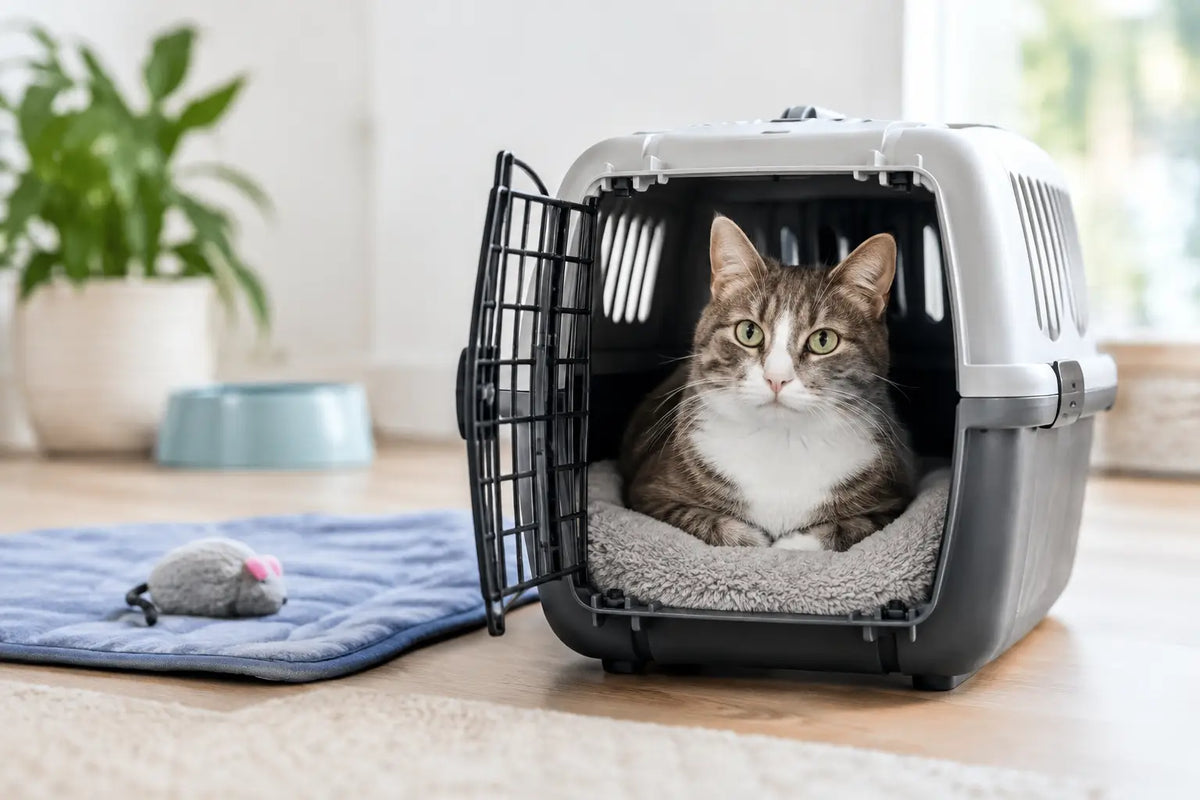
A confident small dog may enjoy looking out from a properly secured car seat, while a nervous cat may settle better in a covered carrier with familiar bedding. A large dog may need the protected space of a vehicle-compatible crate. For a dog with IVDD, arthritis, post-operative restrictions or reduced stamina, a stroller can make the difference between staying at home and joining the day out with dignity.
There is no single ‘best’ option because the safest choice depends on the vehicle, the animal and the journey. A carrier suitable for a short walk to the vet may not be appropriate for an airline cabin. Likewise, a soft car harness is not automatically comparable to a crash-tested crate or an ISOFIX pet car seat. Look closely at what a product has actually been tested for, its stated weight limit and the installation method required.
Safe car travel for pets
Car journeys create forces that are easy to overlook until an emergency stop happens. An unrestrained pet can be injured, distract the driver or become a projectile. Holding a small dog on a passenger’s lap may feel reassuring, but it offers neither reliable restraint nor meaningful protection in a collision.
For many dogs, a crash-tested crate is the strongest option when correctly sized and fitted in a compatible vehicle. The dog should be able to stand, turn and lie down naturally, without having so much spare room that they are thrown about. Check the crate’s approved placement guidance too. A crate that performs well in testing still needs to be installed as intended.
Smaller dogs may be better suited to a car seat designed for vehicle use. ISOFIX-compatible pet car seats can offer a particularly stable installation in cars with ISOFIX anchor points, but compatibility varies by model and vehicle. Confirm the seat’s maximum weight, attachment points and whether it is intended for the front or rear passenger area before buying.
Travel harnesses are another option, particularly for dogs who dislike crates. The distinction worth making is between a harness that keeps a dog from roaming around the car and one that has been independently crash tested for vehicle travel. Both can have a place, but they do not provide the same level of evidence or protection.
For every car set-up, keep the cabin cool, prevent your pet from travelling loose and build in breaks on longer routes. Water, a toilet stop and a few quiet minutes to decompress can prevent a manageable journey becoming an overwhelming one.
Comfort is part of car safety
A secure restraint should not mean a miserable ride. Add a non-slip blanket or fitted bed where appropriate, particularly for older dogs who struggle to brace themselves on corners. Avoid bulky bedding that changes how a carrier, crate or seat fits, and never block ventilation.
For pets prone to travel sickness or anxiety, begin with very short journeys. Sit in the parked car, then drive around the block, then gradually extend the distance. Calm repetition is more useful than forcing a long first trip and hoping they adjust.
Carriers for trains, taxis and holidays
When travelling on foot or public transport, secure containment protects your pet and gives other passengers confidence too. A good carrier has sufficient ventilation, a stable base, dependable fastenings and enough room for your pet to settle in a natural position. It should be manageable for you to carry without knocking into legs, doors or seats.
For cats, familiarity makes an enormous difference. Leave the carrier open at home with a favourite blanket inside rather than bringing it out only for vet visits. That small change can turn the carrier from a warning signal into a safe resting place.
Air travel requires an extra layer of planning. Airlines set their own limits for cabin carriers, including external dimensions, combined pet-and-carrier weight, materials and ventilation requirements. An airline-compliant carrier is a useful starting point, but it does not remove the need to check your specific airline’s current rules before booking. Measure your pet while standing and lying down, then compare those measurements with the carrier’s usable internal space, not just its outer dimensions.
If your pet is travelling in a hold, speak to your vet well ahead of time and consider whether the trip is genuinely in their best interests. Not every pet, breed, route or season is suited to air travel. Sometimes a pet-friendly road journey, trusted home care or a different holiday plan is the kinder choice.
Include less mobile dogs without overdoing it
Mobility changes do not mean a smaller life. Dogs managing age-related weakness, neurological conditions, joint pain or recovery from surgery often still want the smells, sights and companionship of an outing. What they need is an approach that respects their limits.
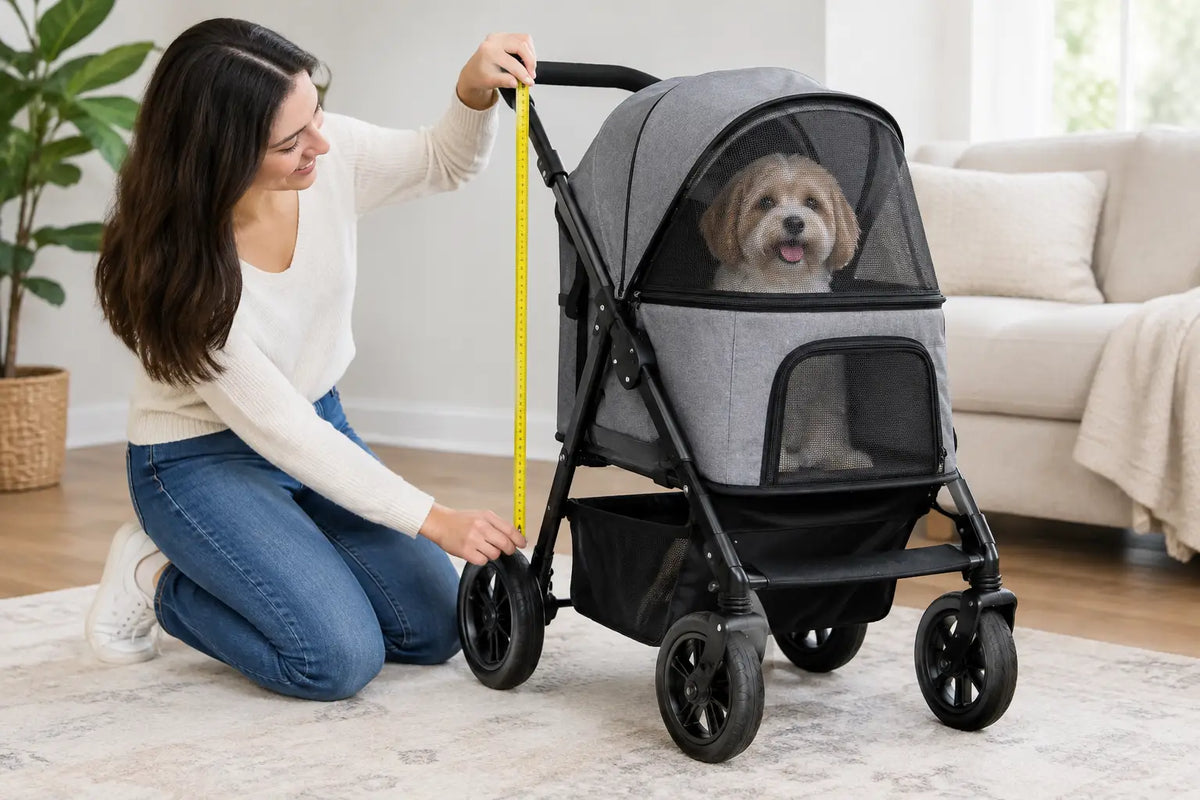
A dog stroller is particularly useful for dogs who can walk for part of a route but tire quickly. They can sniff around the café terrace, enjoy a family day out and rest before discomfort sets in. Choose a model with a stated weight capacity that comfortably exceeds your dog’s weight, secure entry points, supportive flooring and wheels suited to where you actually walk. City pavements, cobbled streets and woodland paths ask different things of a stroller.
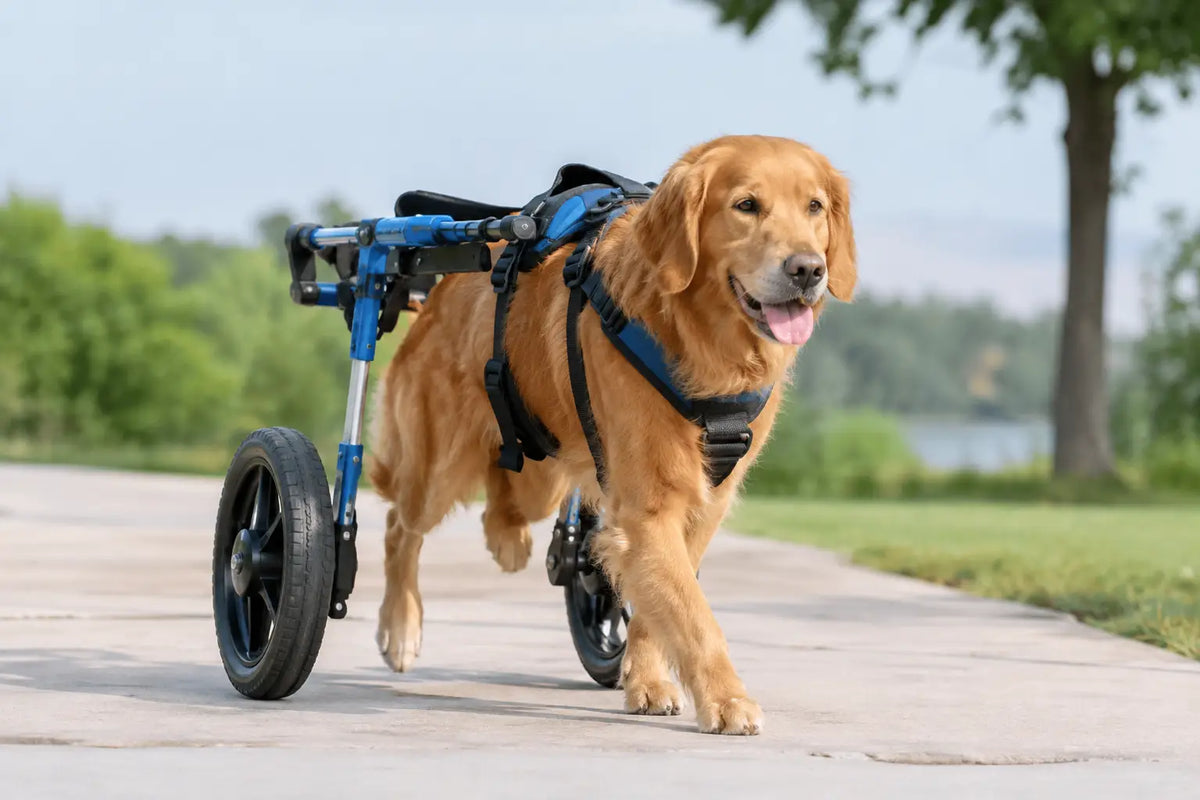
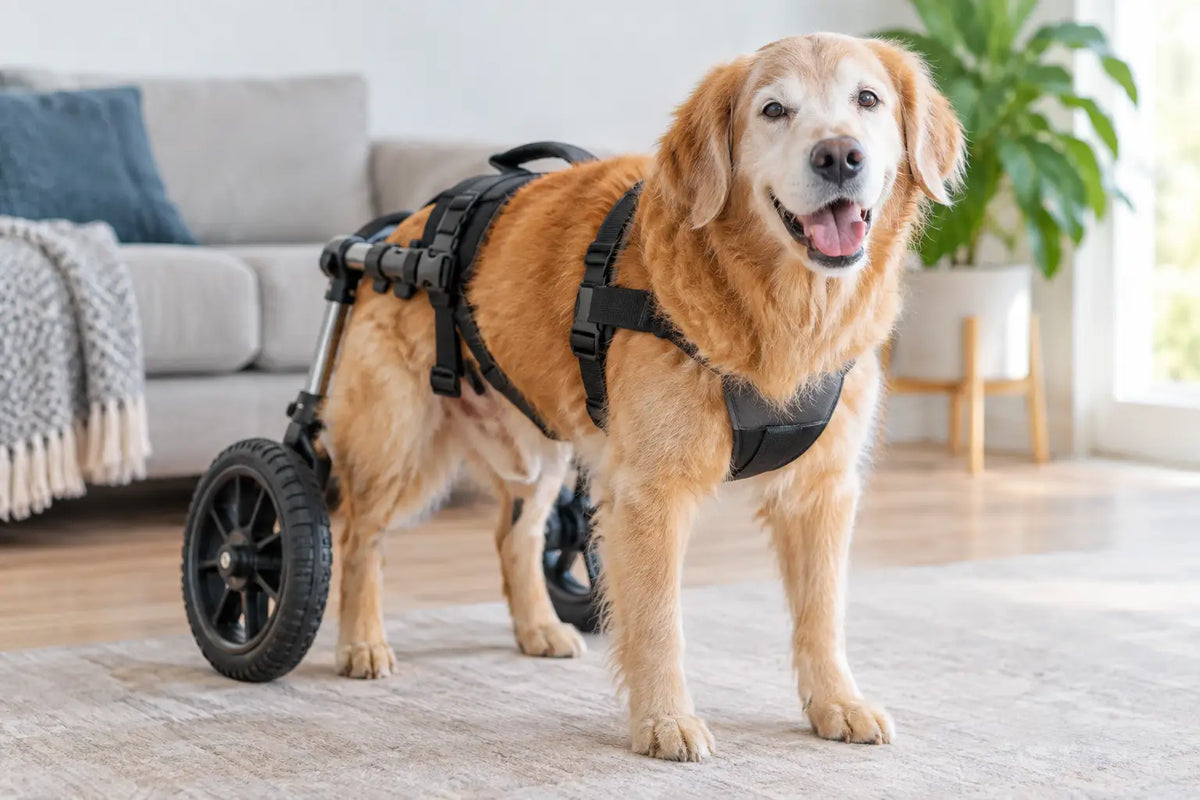
For dogs who need help bearing weight, a rear-support harness or wheelchair may support independence on suitable terrain. These aids need careful fitting. A poorly adjusted support system can rub, alter gait or create pressure in the wrong areas, so measure your dog accurately and follow the manufacturer’s sizing guidance. If your dog has a diagnosed condition or is post-operative, involve your vet or physiotherapist in decisions about exercise levels and mobility equipment.
The goal is not to keep moving at any cost. Watch for panting that does not settle, reluctance, altered posture, dragging paws or fatigue after an outing. Turning back early is not a failed adventure. It is good care.
Pack for the pet you have, not the pet you imagine
The most useful travel kit is usually modest and tailored. Water and a collapsible bowl matter on warm days; a familiar blanket can help an anxious pet settle; poo bags, wipes and a towel are practical essentials after wet walks. Medication, feeding supplies and a copy of relevant veterinary information deserve a consistent place in your bag when your pet has ongoing health needs.
Think about temperature before you set off. Cars warm rapidly, even on days that do not feel hot, and direct sun can make a carrier uncomfortable. In colder weather, choose layers that keep your pet warm without restricting movement or covering their face. Check them regularly rather than assuming the journey feels the same for them as it does for you.
A final point is worth remembering: new travel equipment needs an introduction. Let your pet investigate the crate, carrier, stroller or car seat at home. Reward voluntary entry, keep early sessions short and make the space pleasant. A premium piece of equipment works best when your pet sees it as their secure place, not something that appears just before they lose control of the day.
Your dog deserves a seat on the adventure too - and your cat deserves a journey that feels safe, quiet and considered. Plan around their body, their confidence and their needs, then let them be part of the moments that make family life memorable.