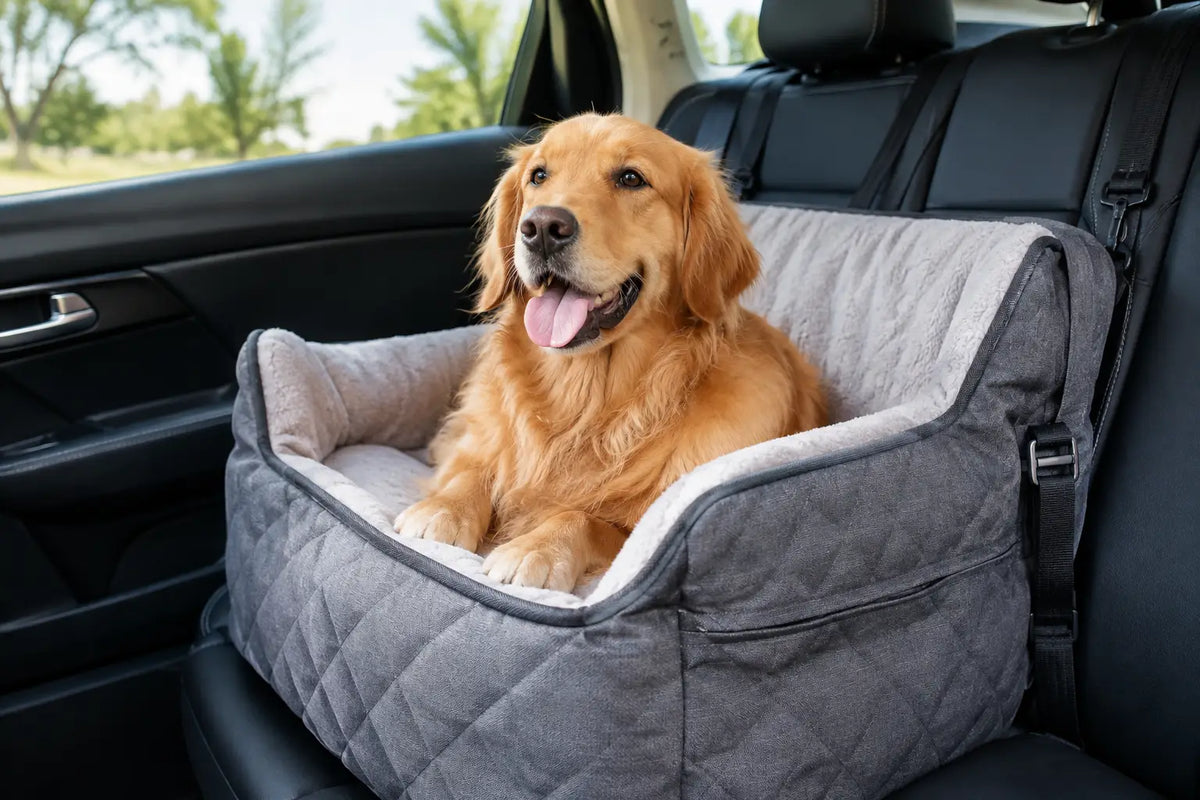
Best Washable Dog Car Seats for Cleaner Journeys
A muddy woodland walk, a surprise bout of travel sickness or simply a dog who sheds with enthusiasm can turn the back seat into a cleaning job before you have reached home. The best washable dog car seats make those everyday moments much easier to manage, while giving small dogs a snug, elevated place to travel.
But washable is only one part of a good buying decision. Your dog deserves a seat on the adventure too, and that means choosing one that fits their body, your vehicle and the way you travel. A removable cover is useful; secure attachment, sensible restraint options and genuinely supportive construction matter just as much.
What makes the best washable dog car seats?
A washable car seat should be designed for real life, not just photographed beautifully. Look first for a removable, machine-washable cover or liner with clear care instructions. Being able to lift out the part that catches fur, sand and damp paw prints is far more practical than having to manoeuvre an entire bulky seat into the washing machine.
The fabric also needs to suit your dog. Soft quilted linings can feel reassuring for nervous travellers and senior dogs, but they may hold onto hair more readily than a tightly woven material. Water-resistant outer fabrics are helpful for wet coats and minor accidents, although water-resistant does not automatically mean washable. Check whether the manufacturer permits machine washing, hand washing or spot cleaning only.
A well-designed seat will retain its shape after cleaning. Flimsy foam inserts can bunch up, flatten or absorb odours over time. More substantial bolsters, a removable cushion and durable stitching usually make a better long-term choice, especially if your dog travels often.
Start with safety, not the laundry label
A dog car seat is not a substitute for a crash-tested car crate or a vehicle-tested restraint system. This distinction matters. Many soft booster-style seats are intended to improve comfort, containment and visibility for small dogs, rather than provide proven crash protection in a collision.
If crash performance is your priority, choose a product with explicit test information and use it exactly as instructed. For some dogs, a crash-tested crate secured in the boot or rear seating area will be the more appropriate solution. For others, particularly small companion dogs travelling on shorter, quieter journeys, a car seat paired with a compatible travel harness may be a comfortable everyday arrangement.
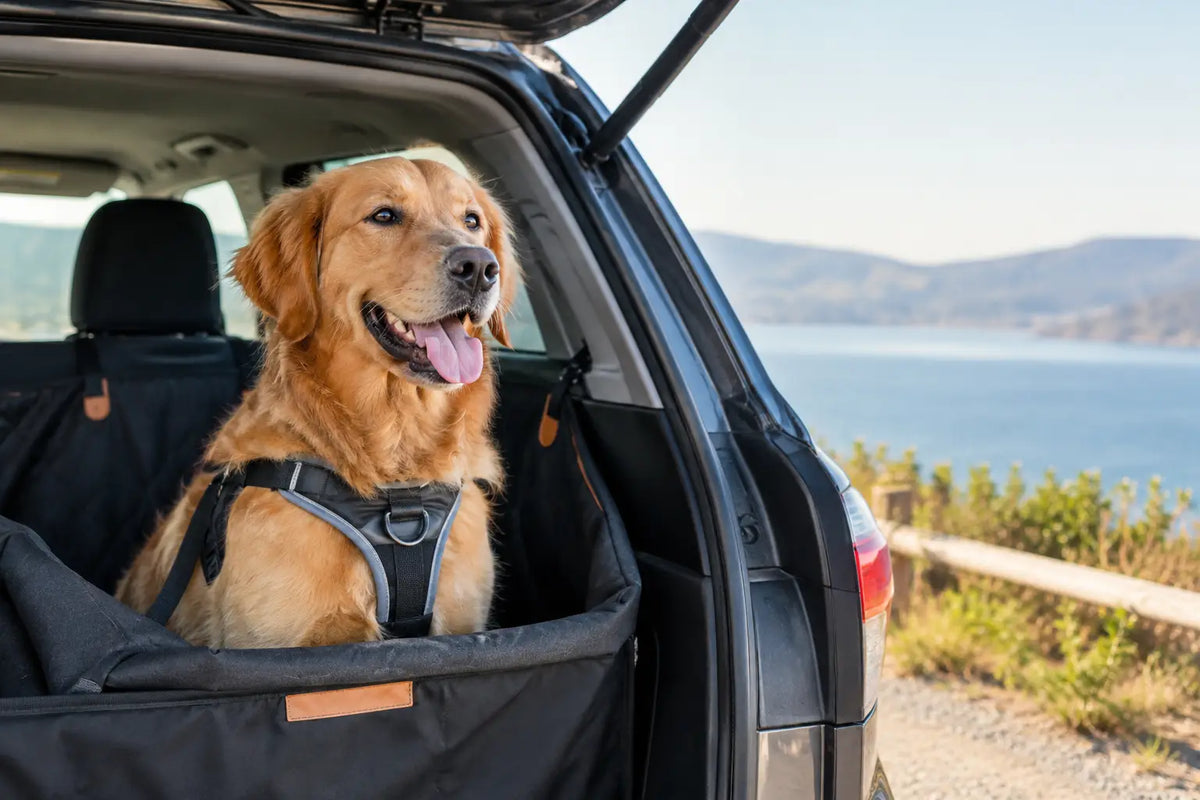
Never attach a seat's internal tether to a collar. A sudden stop can put dangerous pressure on the neck. Use a properly fitted harness, ideally one designed for car travel, and keep the tether short enough to prevent your dog climbing out while allowing them to sit and lie down naturally.
Understand how the seat attaches
Most washable dog car seats use one or more straps around the vehicle headrest and seat back. Some sit on the rear bench; others are designed for the front passenger seat. The safest position depends on the seat's instructions and your vehicle. In general, the rear seat is preferable, particularly where airbags are present.
Premium seats may use ISOFIX-compatible fittings or a more structured anchoring system. ISOFIX can reduce movement when correctly installed, but compatibility is not universal. Check your car handbook, the seating position and the manufacturer's vehicle guidance before buying. A secure seat should feel stable rather than swinging or tipping when your dog shifts their weight.
Choose the right size for your dog
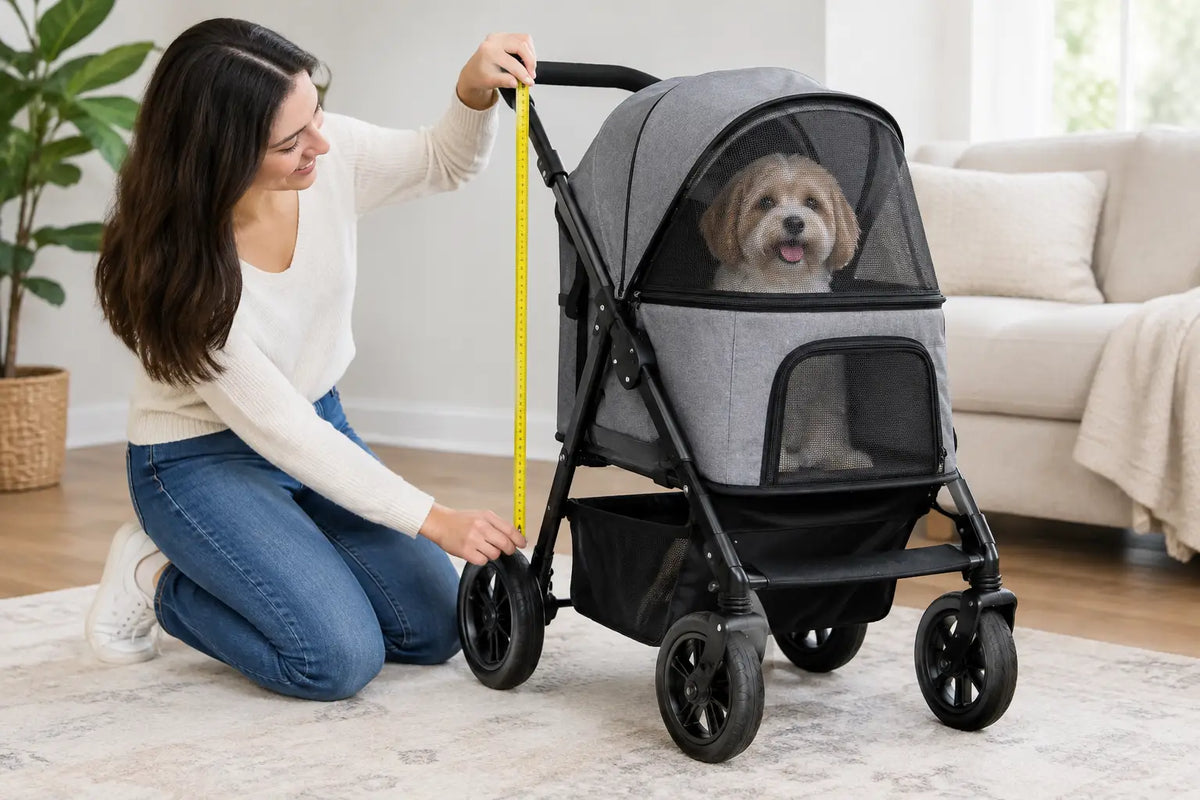
Weight limits are useful, but they are not the whole story. A long-legged miniature poodle and a compact French bulldog may weigh the same yet need very different internal dimensions. Measure your dog while they are relaxed: their back length, shoulder height and the space they need to turn around and settle.
Your dog should be able to lie down without curling tightly against the sides, but a very oversized seat can leave a small dog sliding around. Supportive bolsters help create a reassuring boundary without restricting movement. For puppies, resist buying dramatically oversized equipment in the hope they will grow into it. Their current safety and stability are more important.
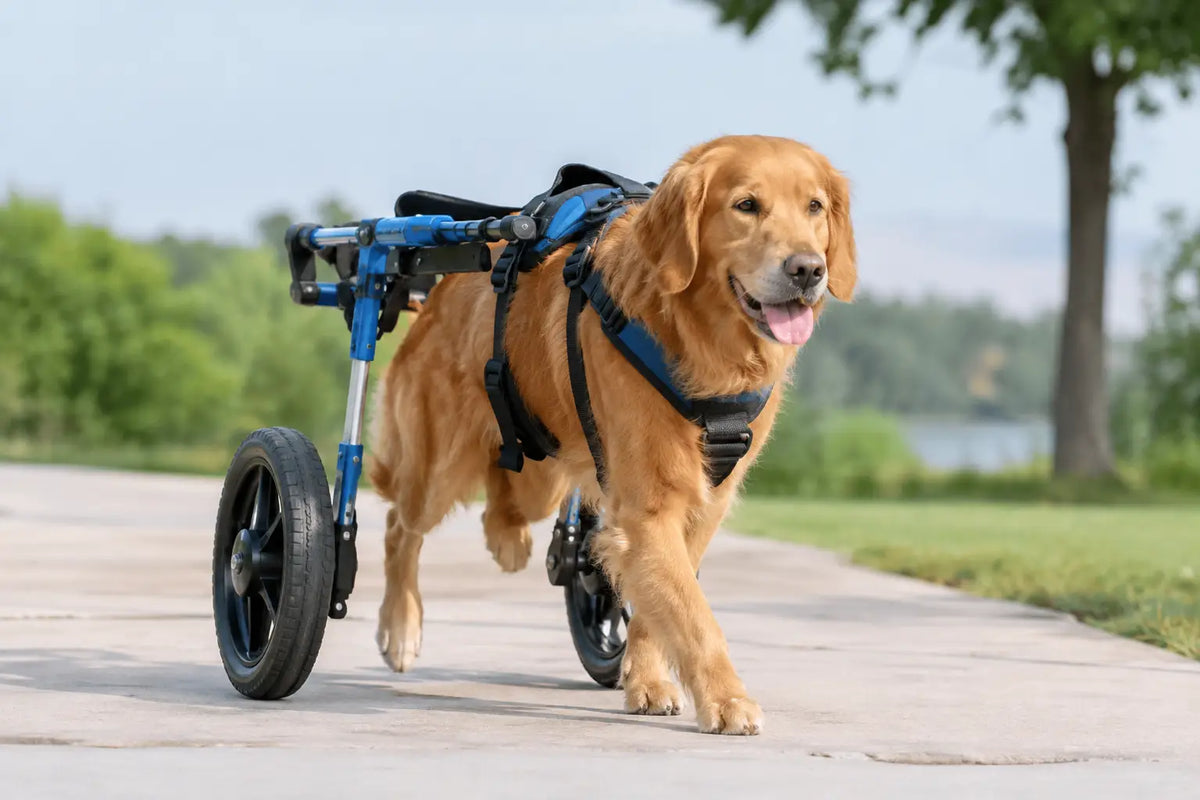
For senior dogs, dogs recovering from surgery or those with reduced mobility, entry height deserves extra attention. Deep sides can feel secure but may be difficult to step over. A lower front, firm base and supportive cushion can make car travel kinder on stiff joints. If lifting is necessary, support both chest and hindquarters rather than pulling on a harness handle alone.
Fabrics that cope with wet paws, fur and accidents
The easiest seats to live with usually combine a washable inner cushion with a wipe-clean or water-resistant shell. That lets you deal with small messes immediately, then wash the component that has had close contact with your dog.
Consider the reality of your household. A short-haired dog may leave fine hairs woven into fleece, while a long-haired dog can fill seams and zips with coat. Dark fabrics disguise marks but can make pale fur more obvious; lighter fabrics show mud faster but may make missed hairs easier to spot before guests get in the car.
Look for strong zips with protected ends, as exposed hardware can be uncomfortable and tempting for chewers. Non-slip bases are useful, though they should never be relied on instead of proper attachment straps. If your dog is prone to sickness, choose a seat with minimal creases and removable padding rather than intricate quilting that is difficult to rinse clean.
Washing without shortening the seat's life
Follow the care label rather than defaulting to a hot wash. High temperatures can damage water-resistant coatings, shrink covers or weaken padding. Shake out fur first, fasten zips and hook-and-loop tabs, and wash the cover separately on the recommended cycle. Air drying is often gentler than tumble drying and helps preserve the shape of bolsters and foam.
A spare cover is worth considering for frequent travellers. It means the seat can stay in the car while the other cover is in the wash, which is particularly handy after beach days, rainy school-run drop-offs or a weekend away with the dog.
Comfort is a travel safety feature too
A dog who is restless, overheated or sliding around is harder to travel with safely. Padded sides, a stable base and breathable materials can make a noticeable difference, particularly on longer motorway journeys. Yet very thick, heat-trapping plush may not suit a warm-natured breed or a car that quickly gets sunny.
Give your dog time to get used to the seat at home. Place it on the floor with familiar bedding or a favourite blanket, reward calm investigation, then progress to short stationary sessions in the car. Start with a brief local drive before expecting them to settle on a two-hour trip.
Watch their behaviour rather than assuming they are comfortable because they are quiet. Excessive panting, drooling, whining, repeated turning or refusing to get into the car can signal motion sickness, anxiety or poor fit. Speak to your vet if these behaviours persist, especially when nausea or pain may be involved.
A practical checklist before you buy
The right choice usually comes down to four things: your dog's measurements and mobility, the seat's stated weight capacity, how it attaches to your particular vehicle, and exactly which parts can be washed. Then check the restraint arrangement. A seat may look secure but still need a separately purchased, compatible harness to keep your dog safely positioned.
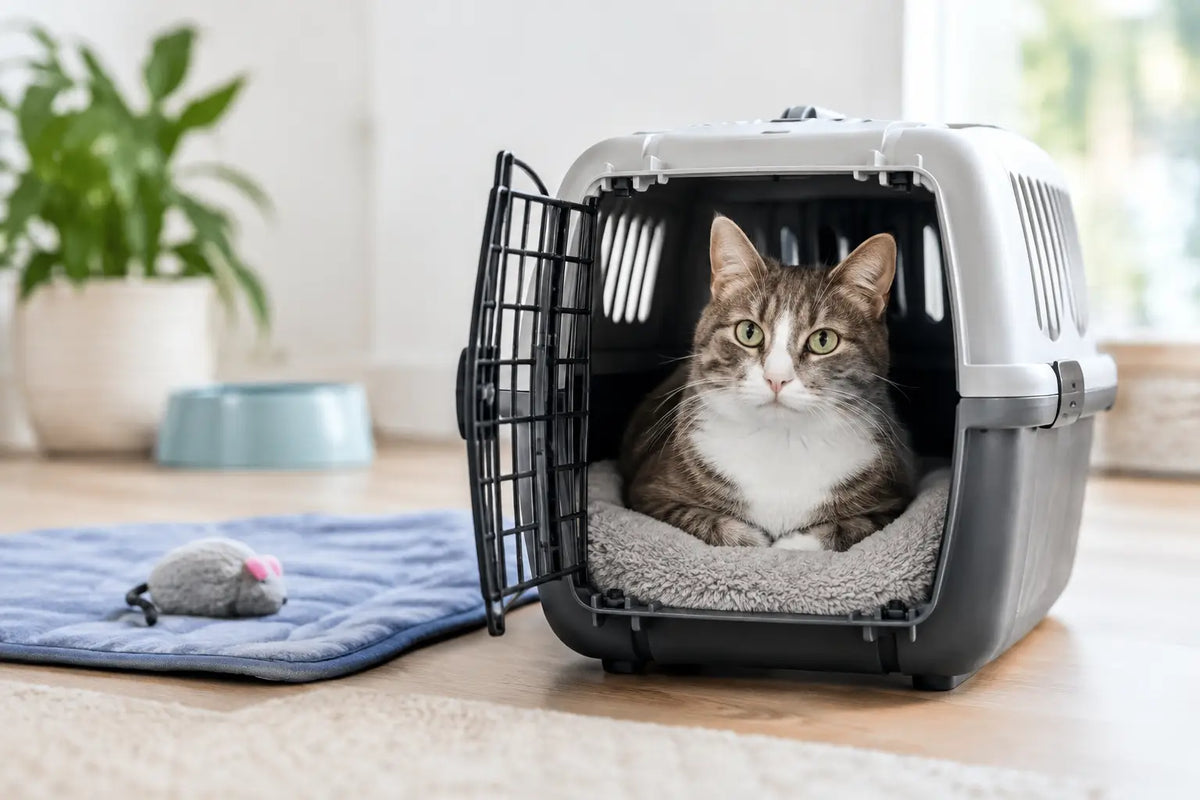
It is also worth thinking beyond the car. If you regularly move between a pram, carrier and vehicle, your dog may benefit from a consistent travel set-up with familiar bedding and predictable handling. That continuity can be especially valuable for anxious dogs and those whose mobility limits make transfers tiring.
A washable dog car seat will not prevent every muddy paw print, and it should never be chosen for convenience over credible safety. Choose one that is easy to clean, properly sized and securely fitted, then make each journey calm enough that your dog learns the car is simply another comfortable place to be included.