Top Beds for Arthritic Dogs That Ease Stiff Joints
When your dog pauses before settling down, circles less than they used to, or struggles to rise after a nap, their bed stops being a simple cosy accessory. The top beds for arthritic dogs are designed to make every rest easier on sore joints, with supportive materials, sensible height and enough room to stretch without feeling exposed.
Arthritis can make small daily movements tiring. A good bed cannot treat the condition, but it can reduce pressure on hips, elbows and shoulders, help your dog conserve energy, and give them a comfortable base between walks, physio appointments and family adventures. For a senior dog, that comfort matters enormously.
What makes a bed suitable for arthritis?
The best choice is usually firmer and more structured than the overstuffed, squashy bed many dogs enjoyed when they were young. Softness feels inviting at first, but if your dog sinks deeply into the filling, getting back out can be difficult. Support is the priority.
Look for a mattress that spreads your dog's weight evenly while retaining enough firmness to keep their body level. High-density orthopaedic foam is a strong starting point. Memory foam can also be useful because it moulds around prominent joints, although it should ideally be paired with a supportive base layer so the bed does not collapse under a larger dog.
Easy access is equally important. A low front edge, a mattress-style design or a shallow step-up can prevent an uncomfortable climb. This is particularly helpful for dogs with hip arthritis, IVDD, reduced hind-leg strength or a recent operation. Raised sides may make some dogs feel secure, but avoid high bolsters that force your dog to lift a stiff leg or twist their body to get in.
The top beds for arthritic dogs by sleeping style
There is no single best bed for every arthritic dog. Size, weight, preferred sleeping position, coat type and how mobile they are all change the answer. These are the styles worth considering first.
Orthopaedic memory foam mattresses
A flat orthopaedic mattress is often the most dependable option for a dog with widespread stiffness or limited mobility. It provides a generous, even surface with no restrictive entrance, making it easier for your dog to shuffle, turn or fully stretch out.
Choose one thick enough that your dog's elbows and hips do not press through to the floor. As a general guide, heavier dogs need deeper, denser foam than small breeds. A thin foam pad may look neat in the kitchen or boot of the car, but it is unlikely to offer enough long-term support for a Labrador, German Shepherd or similarly sized dog.
Mattress beds are also practical for dogs who sleep warm. They allow better airflow than deeply padded nest beds and can be layered with a washable blanket in colder months. The trade-off is that some dogs miss the enclosed feeling of a bolster.
Low-entry orthopaedic sofa beds
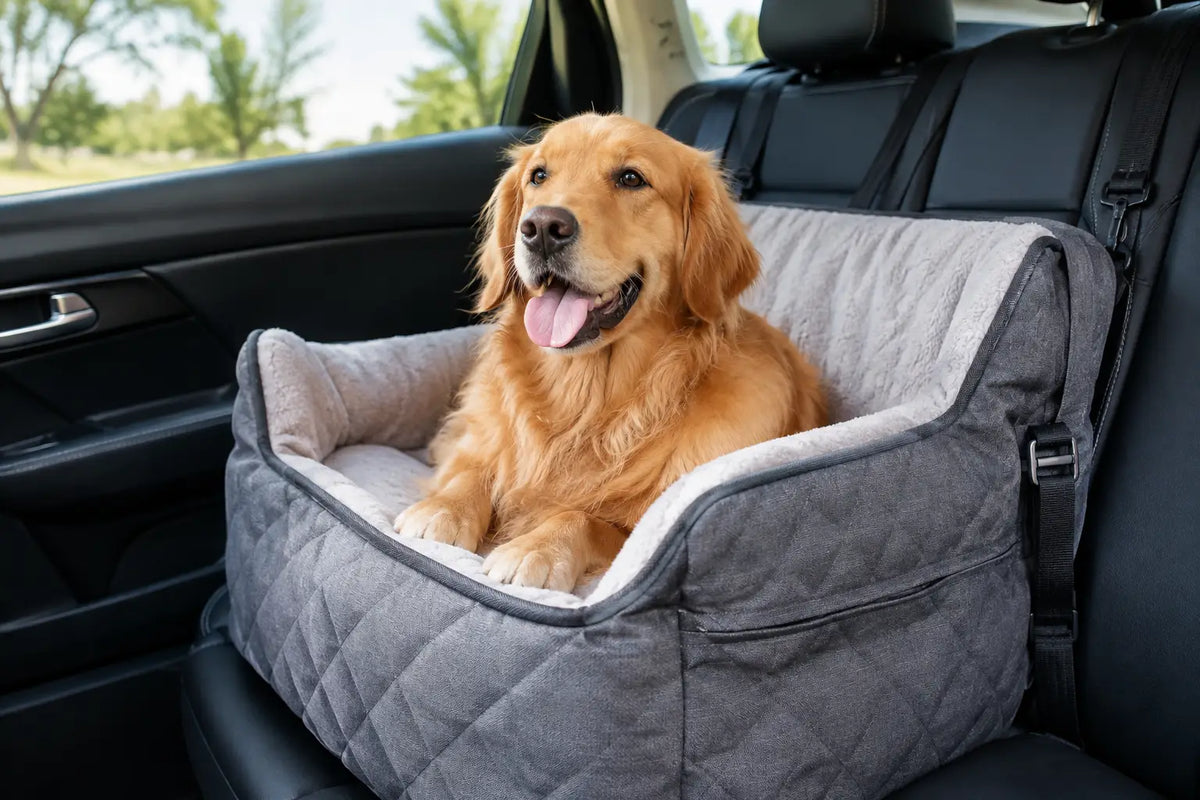
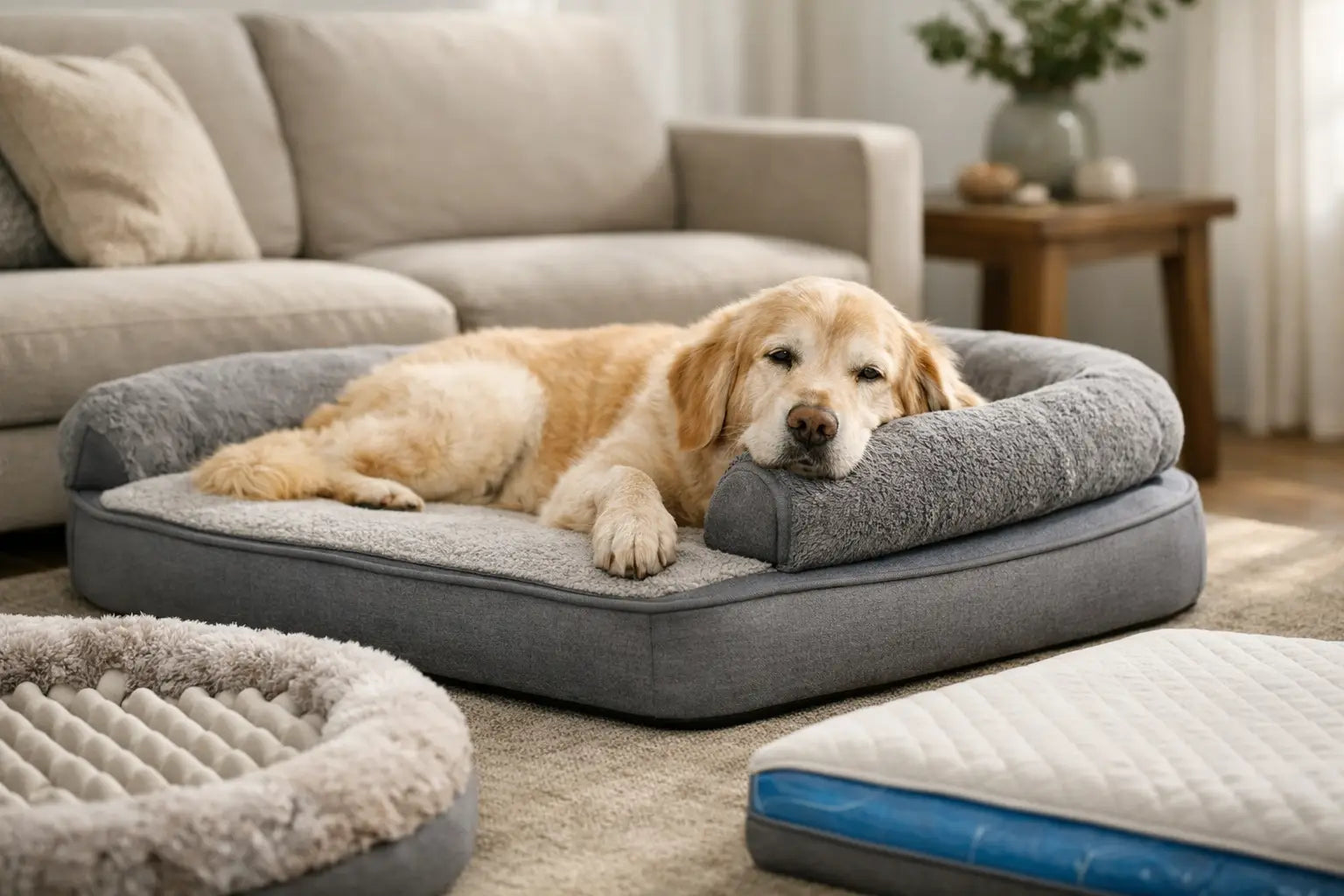
For dogs that enjoy leaning against something while they sleep, a sofa-style bed with a lowered front can be a lovely compromise. The supportive mattress cushions the joints, while the side and back bolsters offer a place to rest the head or brace against when changing position.
Check the entrance height rather than assuming every sofa bed is appropriate for a senior dog. A bed with thick walls all around may be difficult for an arthritic dog to enter, even if the mattress itself is excellent. The best designs have one clearly lowered side and firm bolsters that do not sag into the sleeping space.
This style suits dogs who curl up, sleep on their side with their head raised, or like a sheltered corner of the room. Place it where your dog can still see family life without being in the main walkway. Pets are family, and older dogs should not have to choose between a comfortable rest and feeling included.
Waterproof supportive beds for accidents and recovery
Arthritis sometimes arrives alongside incontinence, slower toileting trips or post-operative recovery. In those cases, a supportive bed with a waterproof inner liner and removable, machine-washable cover makes daily care much easier.
Waterproof does not have to mean plasticky or noisy. Look for a soft outer cover with a protected foam core beneath it. A spare cover is genuinely useful too, allowing one to be washed and dried while your dog keeps their familiar sleeping spot.
For dogs recovering from surgery, choose a bed that is easy to keep clean and low enough to access safely. Your vet or physiotherapist may have specific advice on firmness, positioning or whether your dog needs to avoid jumping, so follow that alongside your bedding choice.
Heated beds and self-warming pads
Gentle warmth can be comforting for older dogs, especially in a cool house or after a damp winter walk. A self-warming pad reflects body heat and is often the simplest option. It can sit on top of an orthopaedic mattress without cables, controls or the risk of your dog chewing a lead.
Electrically heated pet beds can be suitable when they are made specifically for pets and used according to the manufacturer's instructions. However, heat is an addition, not a replacement for proper support. A heated but thin bed will still leave bony joints pressing into the floor. Dogs with reduced sensation, skin conditions or a tendency to overheat may be better with a blanket and a warm room instead.
Travel and crate mattresses with real support
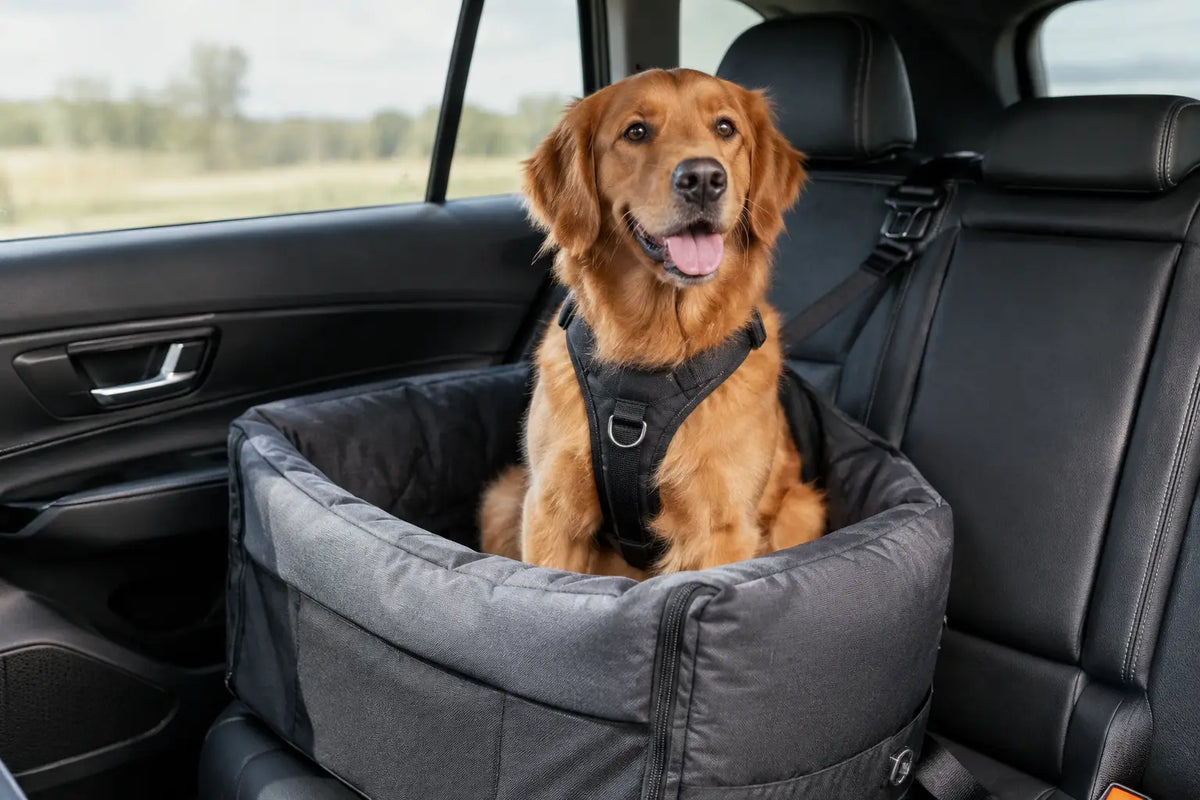
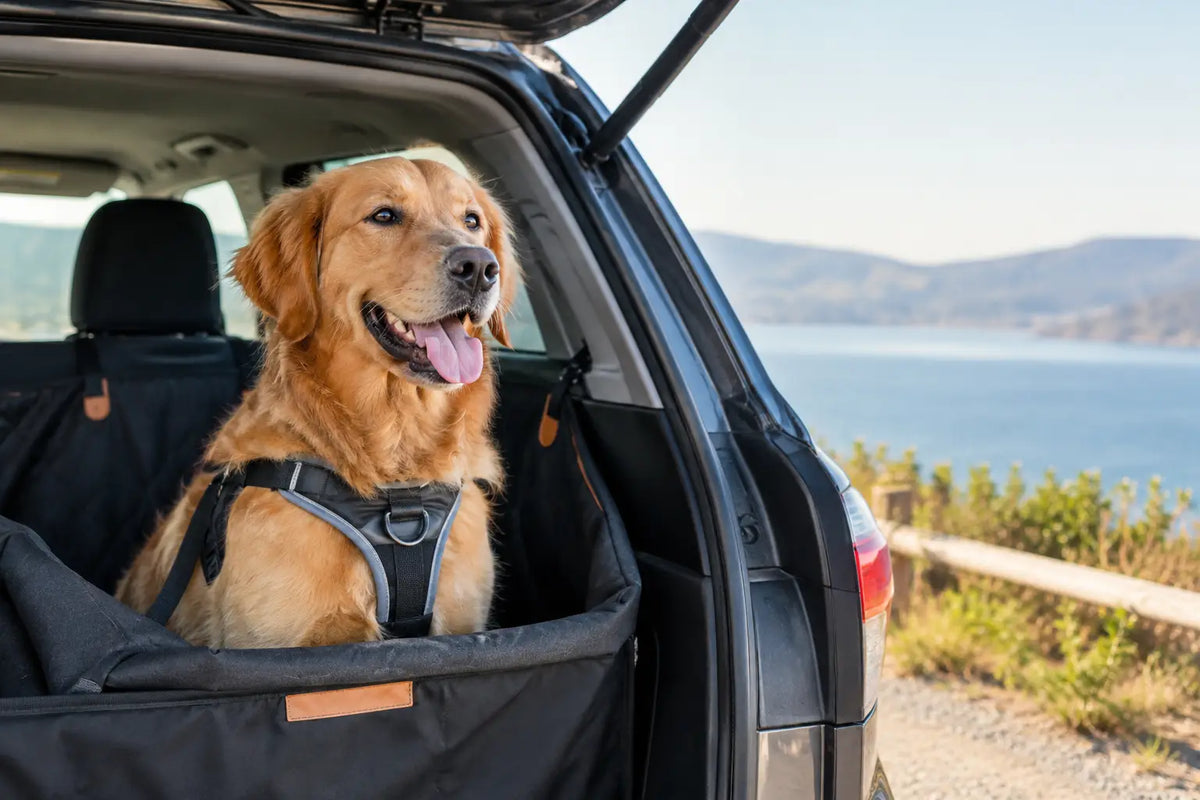
Comfort should travel with your dog. An arthritic dog may be less able to balance during a car journey and more likely to need a proper rest once you arrive, whether that is at a pet-friendly cottage, a family visit or an outdoor café after a gentle stroll.
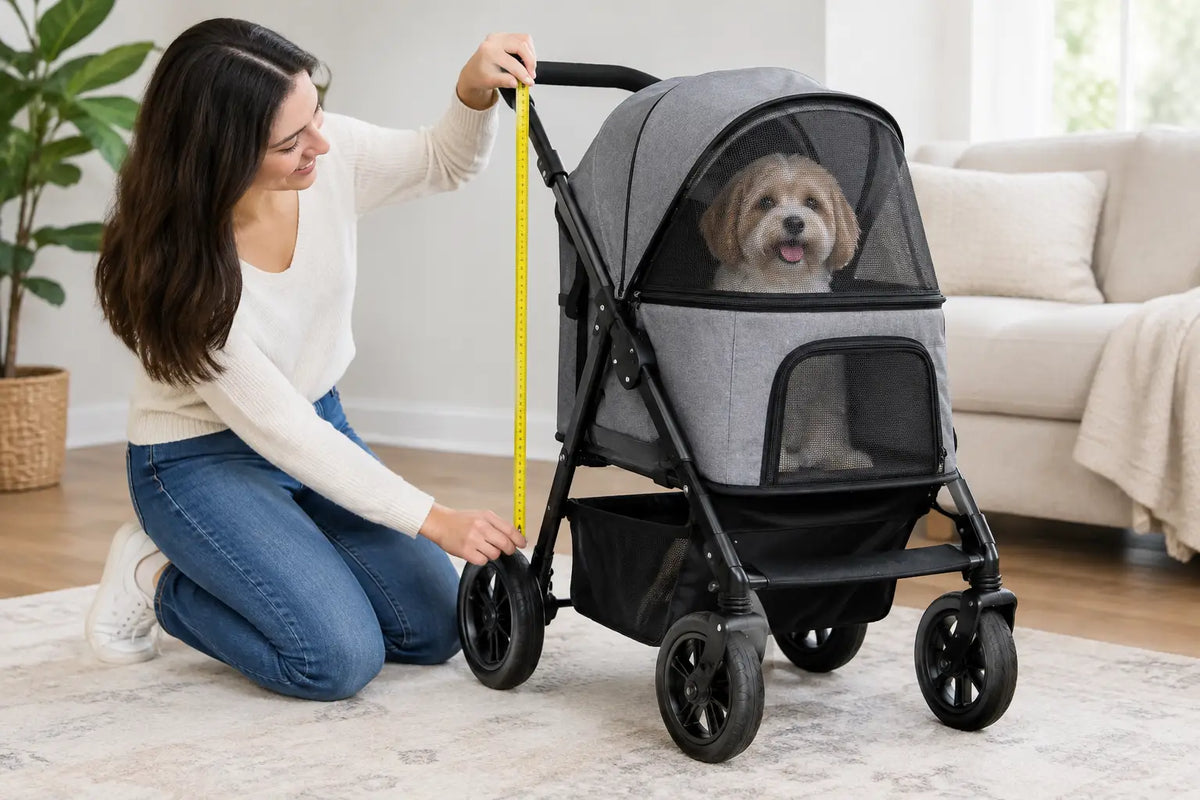
A supportive travel mattress should fit the crate, car-safe carrier or dog stroller without bunching at the edges. Measure the usable internal floor space, not just the product's outer dimensions. It needs to be thick enough to cushion vibration but not so lofty that it compromises secure positioning or makes it hard for your dog to step in and out.
For longer journeys, pair the mattress with safe, vehicle-appropriate restraint or containment. A comfortable dog is not necessarily a protected dog, and both matter.
How to choose the right size and thickness
Measure your dog while they are fully stretched out asleep, then add a little room around them. Dogs with arthritis often change position more carefully than they once did, so space to turn without catching a leg on a bolster can make a meaningful difference.
Thickness depends on bodyweight and foam density. A small terrier may do well on a supportive 5-8 cm mattress, while a large, heavy dog typically needs a substantially thicker bed made from denser foam. What matters is whether the bed stays supportive after repeated use. If it develops a dip where your dog sleeps, it is no longer doing the job.
Put the bed on a level, draught-free surface. Even premium foam cannot compensate for a cold concrete floor beneath it, so a non-slip insulating mat or rug can help. Keep food, water and the route to the garden easy to reach, particularly overnight.
Small details that make a big difference
The cover should be removable and washable, ideally with durable zips and fabrics that withstand regular cleaning. Look for a non-slip base if the bed will sit on laminate, tile or polished wood. A bed that slides away when your dog attempts to lie down can knock their confidence and put extra strain on already sore legs.
Avoid loose filling, deep central hollows and beds with raised rims on every side. Also consider where your dog likes to rest. One excellent bed in a quiet back room is less useful if your dog spends the day following you between the kitchen, sitting room and home office. Some families find two supportive beds - one in the daytime hub and one beside the bed at night - give their dog more choice without making them walk further for comfort.
When a bed is not enough
If your dog is suddenly reluctant to stand, cries when touched, limps more severely, drags a paw, has a swollen joint or changes their toileting habits, speak to your vet promptly. Worsening mobility deserves assessment rather than simply more padding.
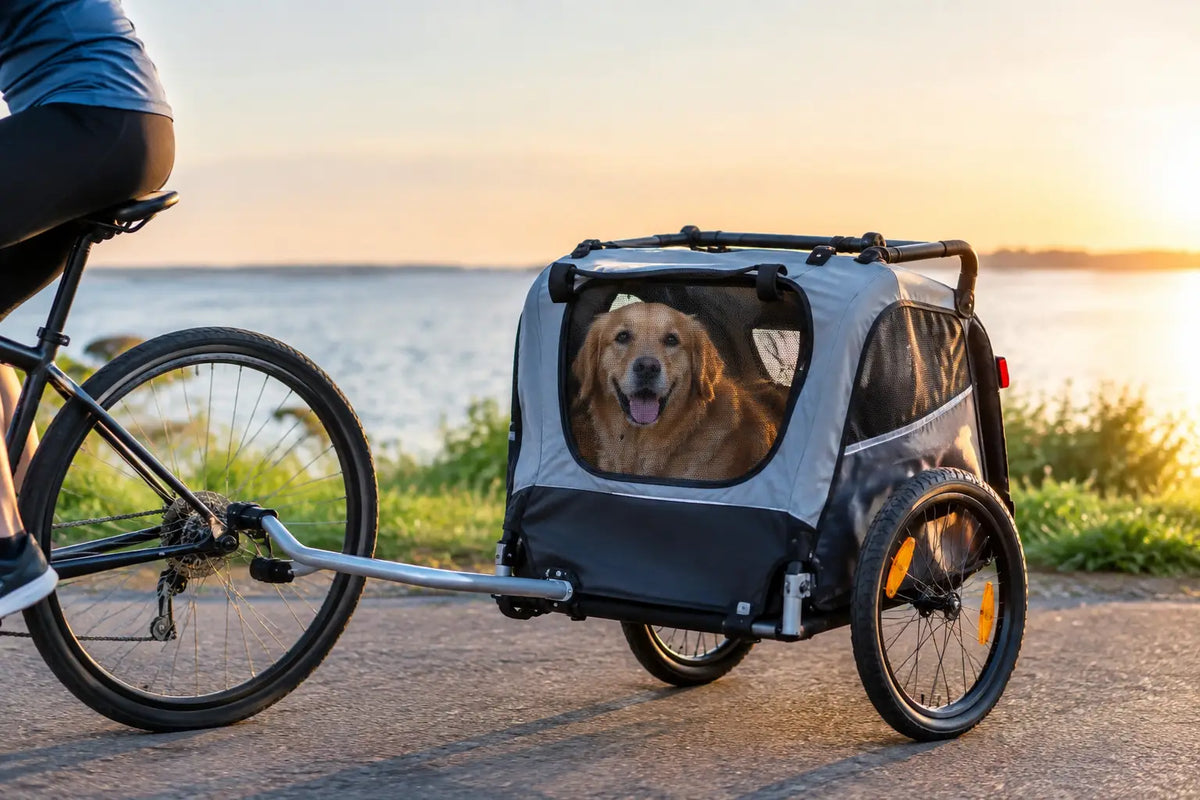
Your vet may recommend weight management, pain relief, controlled exercise, physiotherapy or mobility support. Ramps, rear-support harnesses and dog strollers can help some dogs keep enjoying the outside world while protecting tired joints. The aim is not to stop adventures altogether. It is to make them kinder on the body your dog has today.
Choose a bed that lets your dog settle without a struggle, then place it close to the people and moments they love. A comfortable place to rest can be a quiet but powerful way of saying: you are still coming with us.