Dog Wheelchair Recovery: A Kind, Practical Plan
The first few days of dog wheelchair recovery can feel unexpectedly emotional. Your dog may look unsure, freeze in place or turn to investigate the new frame strapped around their body. That does not mean the wheelchair is wrong, or that they will not enjoy moving again. It means they need time, reassurance and equipment that supports their body properly.
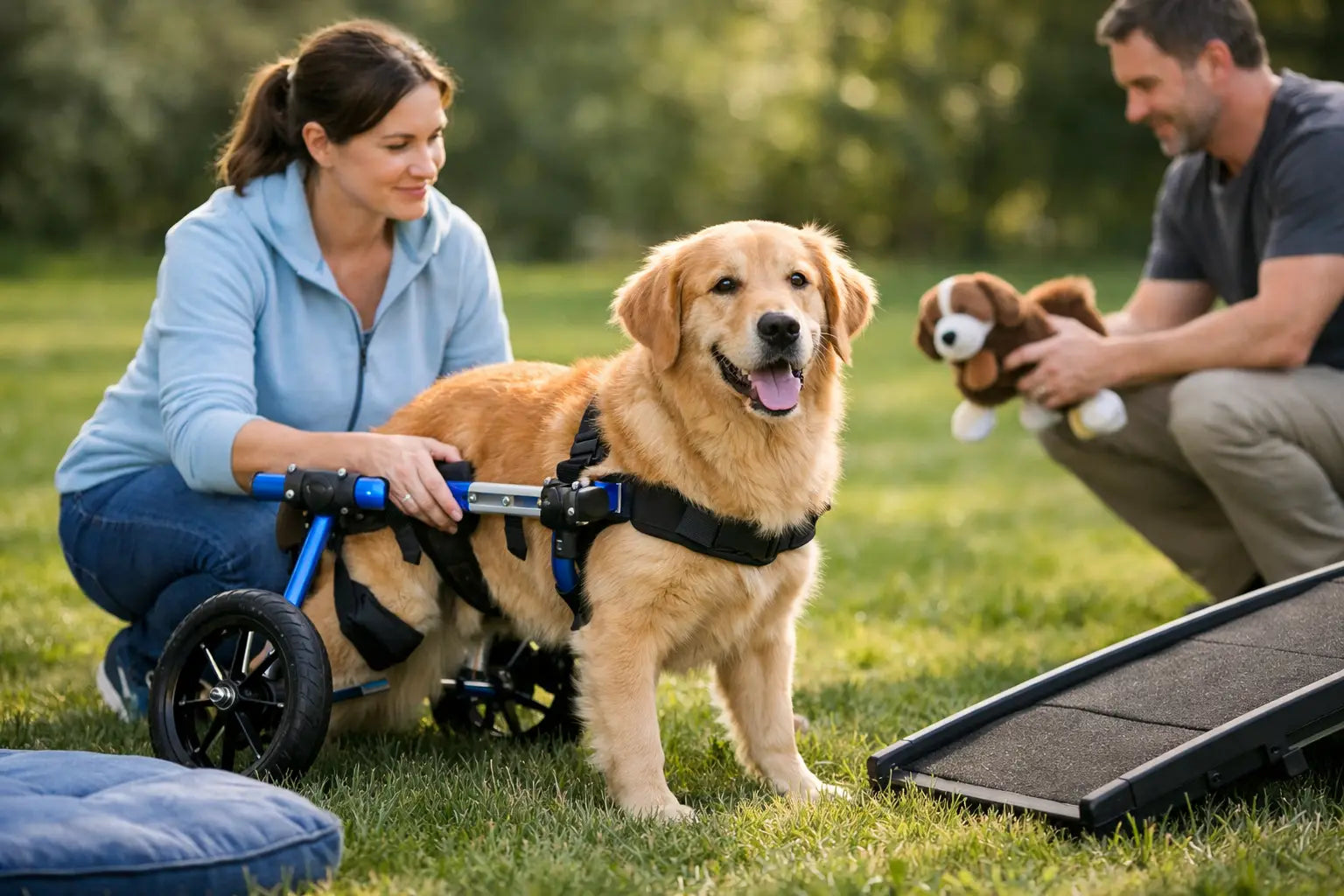
For a dog recovering from surgery, injury or an episode of IVDD, a wheelchair can protect independence when strength and coordination are limited. For an older dog with progressive weakness, it can make the garden, the pavement and family outings feel possible again. The goal is never to push them past discomfort. It is to give them a safe, dignified way to stay part of the life they love.
Start dog wheelchair recovery with the right expectations
A wheelchair is a mobility aid, not a cure. It can reduce the effort needed to stand and walk, support the rear legs or all four limbs, and help prevent a dog from dragging themselves along rough or wet ground. It cannot replace veterinary treatment, pain management, physiotherapy or rest where these have been prescribed.
Recovery also looks different from one dog to another. A dog with temporary hind-leg weakness after an operation may gradually return to unassisted walking. A dog with degenerative myelopathy may use a wheelchair as a long-term way to remain active. Some dogs take to wheels within minutes; others need several short introductions over a week or two.
Look for small wins rather than a dramatic first walk. A relaxed posture, a few confident steps, a sniff at the hedge or a wagging tail are all useful signs that your dog is beginning to understand the new arrangement.
Get fit and veterinary guidance right first
Before regular use, speak with your vet or veterinary physiotherapist, particularly after spinal surgery, with IVDD, fractures, neurological disease, open wounds or joint conditions. They can advise whether weight-bearing is appropriate, how much activity is safe and whether your dog should have a rear-support, front-support or full-support design.
Correct sizing is central to comfort and safety. Measure exactly as the manufacturer requests, usually including height at the groin, body length, hip width and weight. A wheelchair that is too high can leave the paws dangling and strain the back. One that is too low can make the dog crouch, catch the frame or overload their front legs.
When your dog is fitted, their spine should sit in a natural, level position rather than arching or sagging. The harness should be secure without digging in, and the wheels should move freely without clipping the legs. If their back feet are weak or scuffing, ask whether stirrups, boots or protective rear-leg support are suitable. Never leave a dog unattended in a wheelchair.
Introduce the wheelchair in calm, short sessions
Choose a quiet, familiar space with good grip, such as a carpeted room or dry garden patio. Avoid a busy pavement, slippery kitchen floor or exciting park for the first attempt. Let your dog sniff the frame before fitting it, using a calm voice and a favourite treat if food is motivating for them.
Once fitted, support them gently at the chest or harness while they find their balance. Some dogs immediately try to walk. Others stand still, take sideways steps or sit down. Stay patient. A few minutes of comfortable practice is far more valuable than forcing a long session that leaves them anxious or overtired.
Use positive moments that feel natural: walking towards their water bowl, greeting a family member, investigating a familiar scent or moving into the garden for a toilet break. The chair should become associated with freedom, not a difficult training exercise.
As confidence grows, add time gradually. Begin with several brief sessions a day, then increase only if your dog remains comfortable during and after use. A dog who is cheerful while moving but exhausted, sore or reluctant later may have done too much.
Read your dog's body language
Dogs cannot tell us that a strap is rubbing or their shoulders are tiring, so their behaviour matters. Stop and reassess if you see persistent panting in cool conditions, lip licking, pinned-back ears, repeated attempts to sit, reluctance to move, yelping, limping or a sudden change in gait.
Not every hesitation is physical. Some dogs simply need confidence-building. But pain, weakness or poor fit should never be dismissed as stubbornness. Contact your vet promptly if there is a decline in mobility, new pain, swelling, loss of bladder or bowel control, or any concern following surgery.
Protect skin, paws and tired front legs
Wheelchairs change how a dog carries their weight. Even a well-designed frame creates new pressure points, especially around the groin, chest, shoulders and rear harness. Check these areas before and after every session for redness, heat, chafing or hair loss. A small rub can become painful quickly if it is ignored.
Keep the harness clean and thoroughly dry, particularly after a rainy walk. Damp fabric and grit increase friction. If your dog has sensitive skin, discuss suitable padding, a protective garment or a different harness arrangement with the wheelchair supplier or a veterinary professional. Do not improvise with bulky padding that changes the fit or leaves straps too loose.
Paw care deserves the same attention. Dogs with reduced rear-leg control may knuckle over, scrape their nails or drag their paws when not in the chair. Keep nails neatly trimmed and inspect pads for abrasions. Protective boots can help on rough surfaces, but they must fit securely and should be checked for rubbing too.
For rear-wheelchair users, the front legs often work harder. Keep walks short enough that form stays good, favour even ground at first and give plenty of rest between sessions. Your vet or physiotherapist may recommend controlled strengthening work, massage or range-of-motion exercises. These should be individual to your dog's condition, not copied from a generic online routine.
Keep everyday life inclusive
Mobility support is most successful when it helps your dog do ordinary dog things. A gentle roll around the garden can be just as meaningful as a longer walk. Sniffing is enriching, so allow time to stop and explore rather than treating every outing as a distance target.
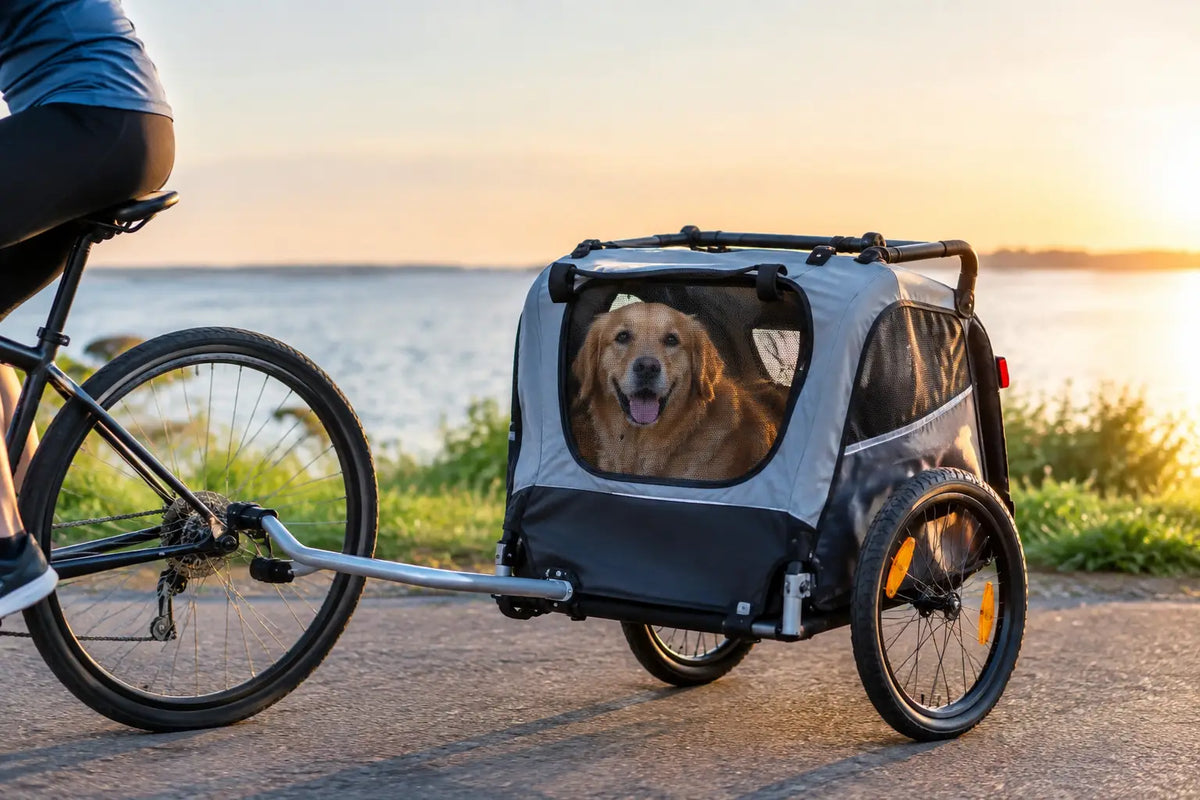
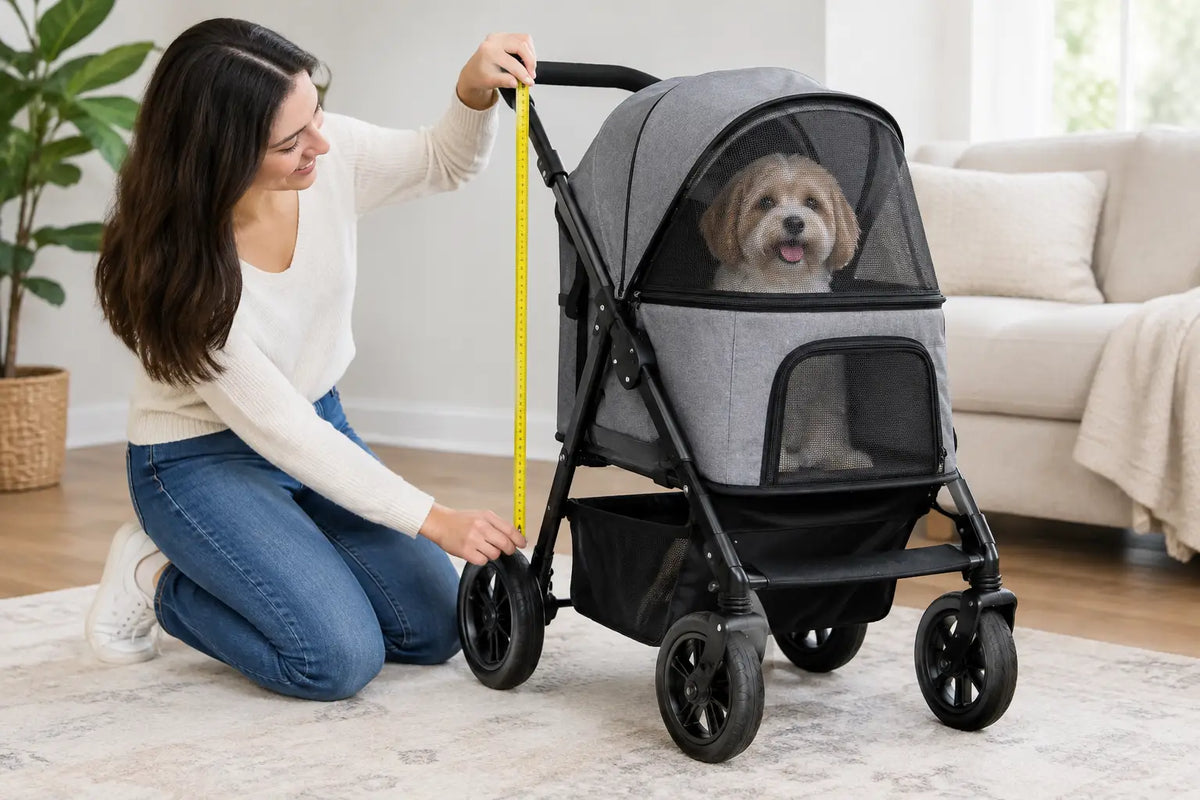
Think through the practical route as well. Smooth paths, level parks and accessible cafés are easier than steep kerbs, loose shingle or crowded spaces. Bring water, treats, poo bags and a lightweight towel for muddy wheels. If your dog tires quickly, a stroller can be a thoughtful companion to the wheelchair: they can walk for a while, then rest comfortably while still joining the family day out.
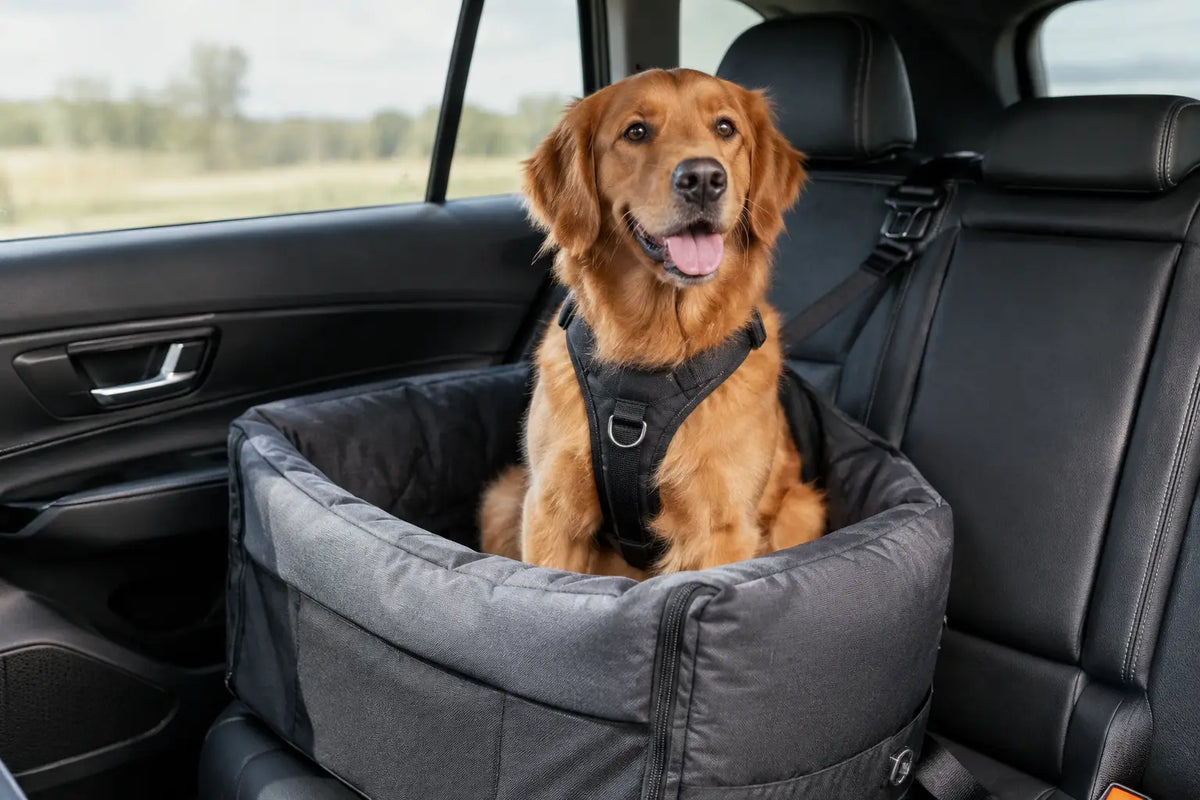
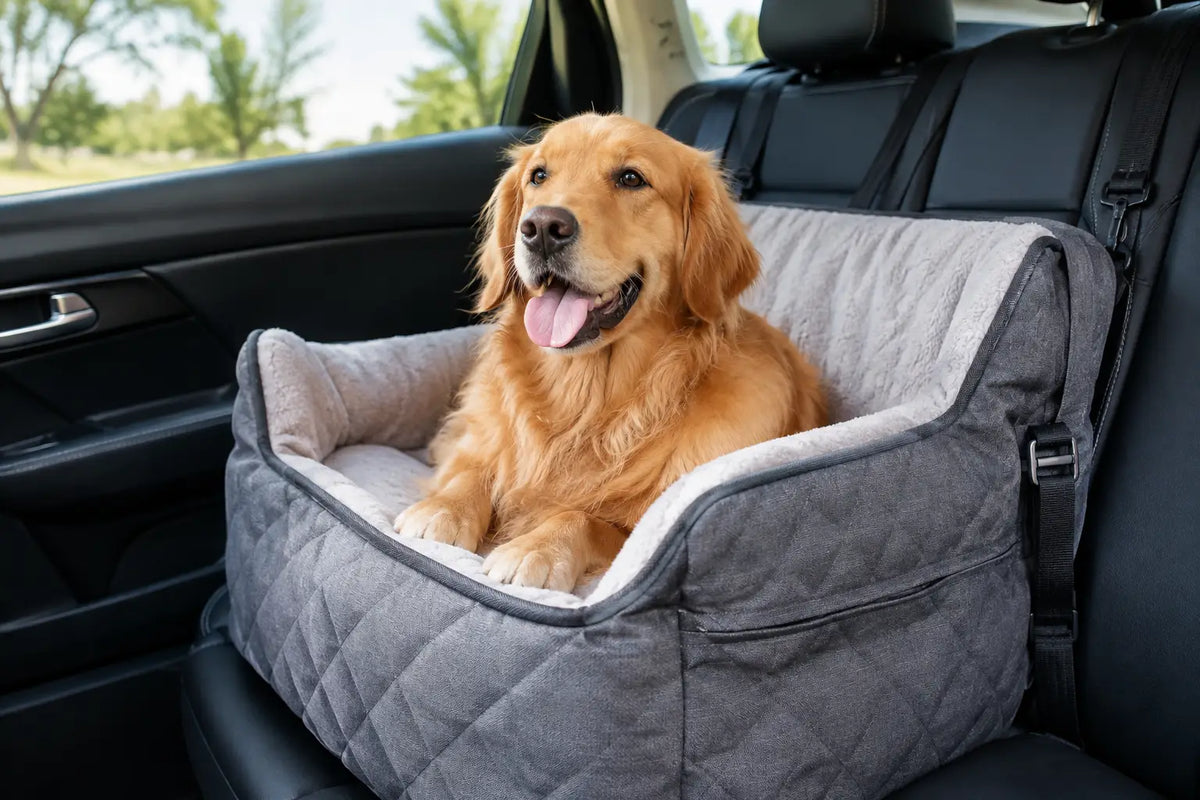
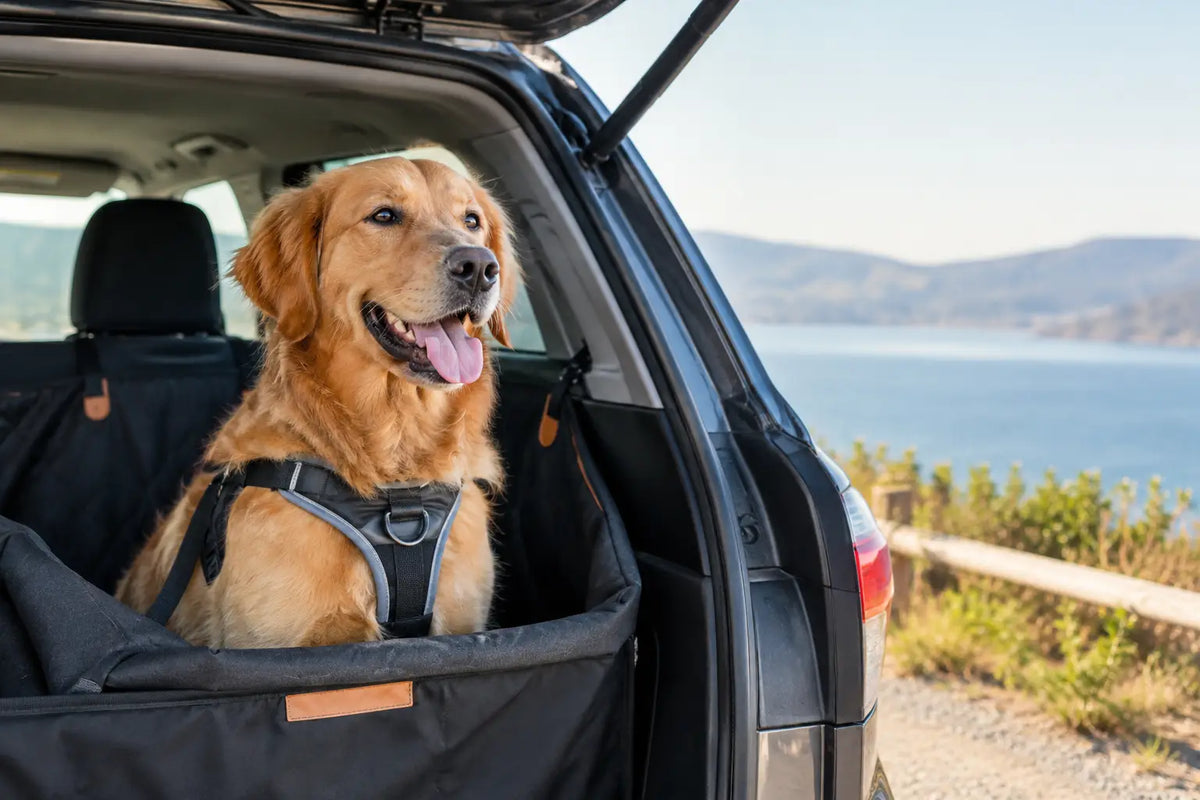
Travelling needs a plan too. A wheelchair should be removed before car journeys unless its manufacturer specifically confirms safe vehicle use. Your dog needs an appropriately sized, secured travel solution, with enough room to lie comfortably and change position. The chair can travel separately, ready for the next stop.
At home, make rest genuinely restorative. Non-slip runners can help on hard floors, while supportive bedding gives sore joints and tired muscles a comfortable place to settle. Keep food, water and sleeping areas easy to reach. Small adjustments often spare a dog unnecessary effort and help preserve their confidence.
Progress is not always a straight line
A good week can be followed by a quieter one. Weather, pain levels, fatigue, medication changes and the underlying condition can all affect how well a dog moves. Adjust the plan rather than judging the setback. A shorter garden session, an extra rest day or a return to flatter routes may be exactly what they need.
Keep a simple note of wheelchair time, distance, energy afterwards, skin checks and any changes in gait. It gives your veterinary team useful information and helps you spot patterns that are easy to miss day to day. It can also be reassuring to look back and see progress that felt invisible in the moment.
A wheelchair does not make your dog less themselves. With the right fit, sensible pacing and plenty of encouragement, it can give them back the choice to follow you outside, investigate the world and take their rightful place on the adventure.