IVDD Recovery Equipment Guide for Your Dog
A diagnosis of IVDD can make ordinary moments feel suddenly complicated. How does your dog get outside to toilet without straining? Can they travel safely to a follow-up appointment? When is a stroller kinder than a short walk? This IVDD recovery equipment guide explains the practical support that can make rest, rehabilitation and family life more manageable - while keeping your vet’s instructions firmly at the centre of every decision.
Intervertebral disc disease affects each dog differently. Some need a period of strict crate rest and medication; others are recovering from spinal surgery, while dogs with lasting weakness may need mobility support for the long term. Equipment cannot replace clinical care, but the right setup can reduce unnecessary twisting, jumping and fatigue, helping your dog stay comfortable and included.
Start with your vet’s recovery plan
Before choosing any mobility product, ask your veterinary surgeon or veterinary physiotherapist what movement is appropriate right now. In the early stages, even a well-intended walk, ramp or support harness may be too much. Your dog’s restrictions will depend on the site and severity of the disc problem, whether surgery was performed, their neurological signs and their progress at follow-up checks.
Be particularly cautious if your dog has worsening pain, a suddenly unsteady gait, dragging paws, loss of bladder or bowel control, or cannot use their back legs. These signs need urgent veterinary advice, not an equipment solution. Recovery is rarely a straight line, and a product that is useful in week six may be unsuitable in week one.
Your aim is simple: create a calm environment where your dog can rest properly, move only as prescribed and still feel close to their people.
Build a safe recovery space
For dogs on crate rest, a secure, correctly sized recovery area is the foundation. It should be large enough for your dog to stand, turn and lie comfortably, but not so spacious that they can pace, jump or become overexcited. A crate, puppy pen or small blocked-off area may work, depending on the plan given by your vet.
Choose deep, supportive bedding that cushions sore joints without making it difficult to stand. Orthopaedic foam beds can be especially helpful for senior dogs and heavier breeds, but avoid very lofty, unstable cushions during early recovery. A low, firm sleeping surface is often easier for a weak dog to rise from. Keep bedding dry, smooth and free from loose folds that could catch a toe or cause slipping.
Non-slip flooring matters well beyond the bed. Polished wood, tile and laminate can make a recovering dog splay their legs or panic while trying to find grip. Place rubber-backed runners or non-slip mats along essential routes, such as from their bed to the garden door. Make sure the edges lie flat and do not create a trip hazard.
Keep food and water close enough that your dog does not need to stretch or shuffle across the room. If your vet recommends a raised bowl, choose a height that lets them eat with a neutral, comfortable neck position rather than reaching up or bending sharply.
Prevent the jumps that happen in seconds
Sofas, beds and stairs are common trouble spots. During recovery, management is usually more reliable than teaching a dog not to jump when no one is watching. Use stair gates, close doors and set up a comfortable family-level bed so they are not tempted to climb after you.
Ramps can be useful later for dogs cleared to resume controlled access to the car or a low step, but they are not automatically suitable after an IVDD episode. They need a gentle incline, high-grip surface and stable footing, and your dog must be physically ready to use one without rushing or twisting. For some households, lifting with professional guidance remains the safer choice.
Support toileting and short, controlled movement
Toilet trips are often the most demanding part of early IVDD care. A rear-support sling or walking harness can help you steady a dog with weak back legs, assist balance and prevent a sudden collapse on uneven ground. It should support the body without compressing the abdomen, rubbing the groin or pulling the spine into an unnatural position.
For male dogs, check that the design leaves enough clearance for toileting. For female dogs, ensure the sling will not obstruct urination. A washable fabric is practical, particularly where continence is affected. Introduce the support indoors first, with calm handling and treats if permitted, so it does not become another source of stress.
A full-body lifting harness may be better when both the front and rear need support, especially for a larger dog or one recovering from surgery. Correct fit is not a minor detail: measure according to the manufacturer’s guidance, account for chest shape and coat thickness, and never use a support aid to force a dog to walk beyond their prescribed limit.
Keep outdoor trips quiet and purposeful. A short lead, a level route and a familiar toileting spot are kinder than a stimulating wander around the park. Your dog deserves fresh air and dignity, but right now their job is recovery, not exercise.
IVDD recovery equipment for travelling safely
Follow-up appointments, physiotherapy sessions and essential journeys do not stop because your dog needs rest. Safe transport prevents the scramble, slipping and sudden braking risks that can happen when an uncomfortable dog rides loose on a seat or in a footwell.
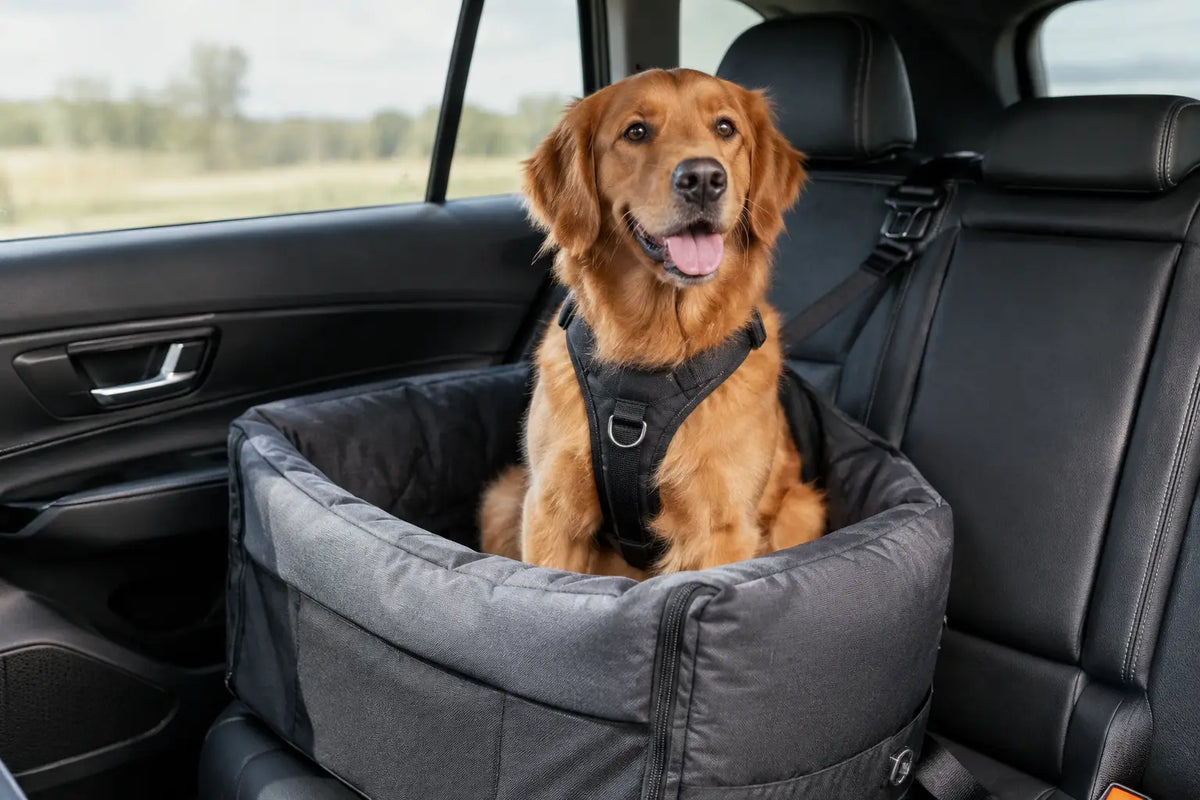
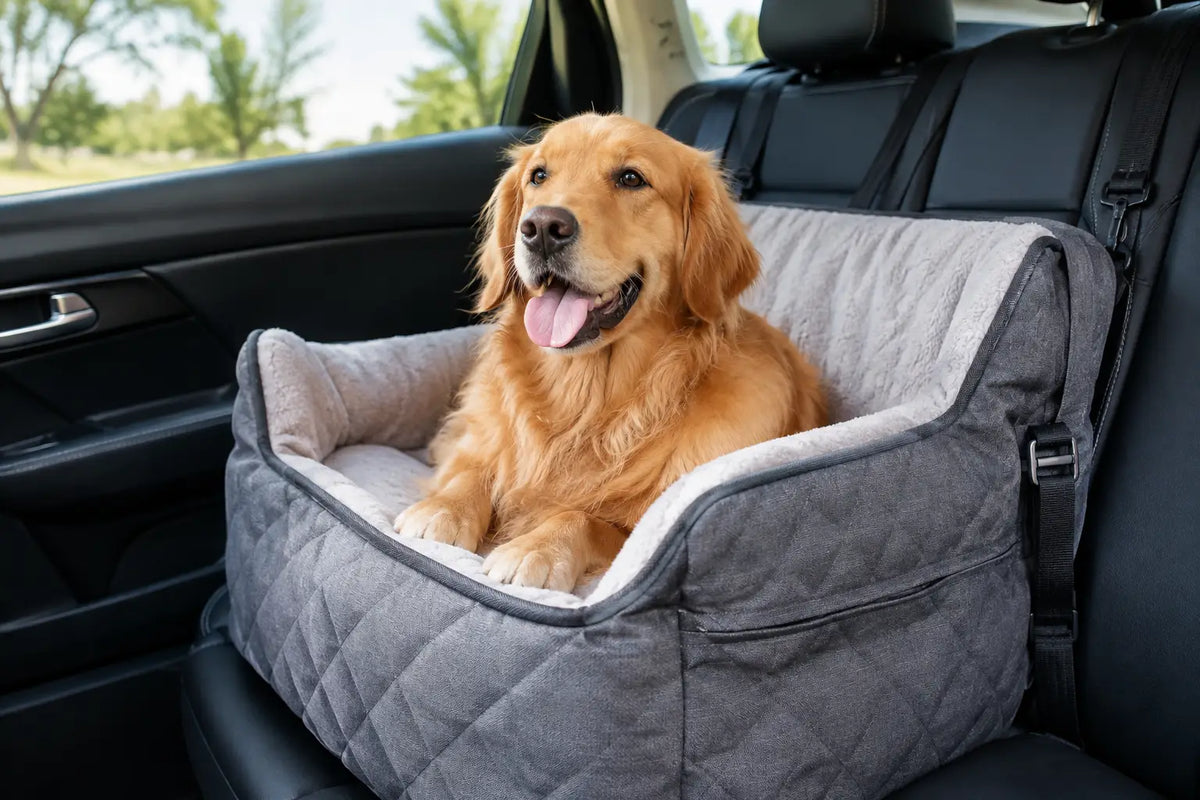
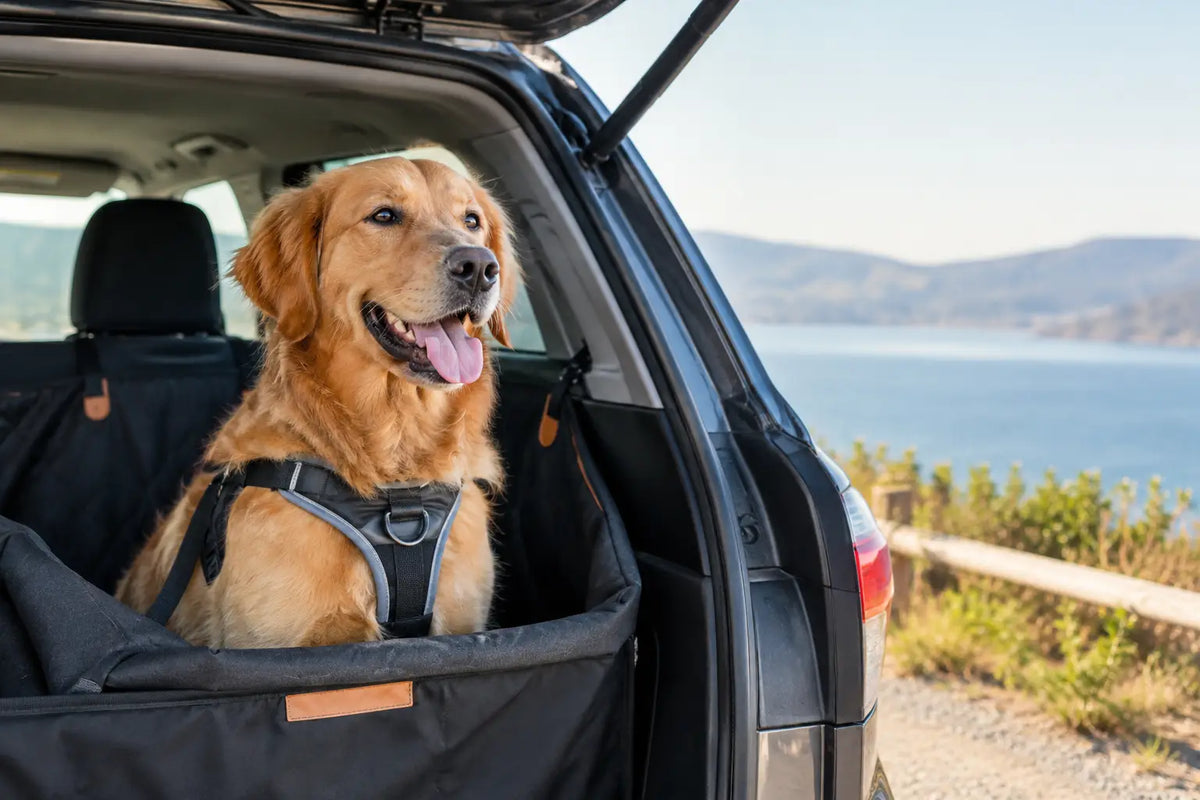
For a small dog, a secure carrier or vehicle-compatible car seat can provide containment and cushioning, provided it is sized for comfortable lying down and used according to its safety instructions. For larger dogs, a well-fitted travel crate with a supportive non-slip base may be the better option. If you are considering a car crate, look for vehicle compatibility and independently tested safety credentials rather than assuming every crate offers the same protection in a collision.
Your dog should be lifted in and out with their body supported as one unit. Avoid lifting under the front legs alone while the rear end hangs, particularly if they are painful or weak. Your vet or physiotherapist can demonstrate a suitable technique for your dog’s size and condition.
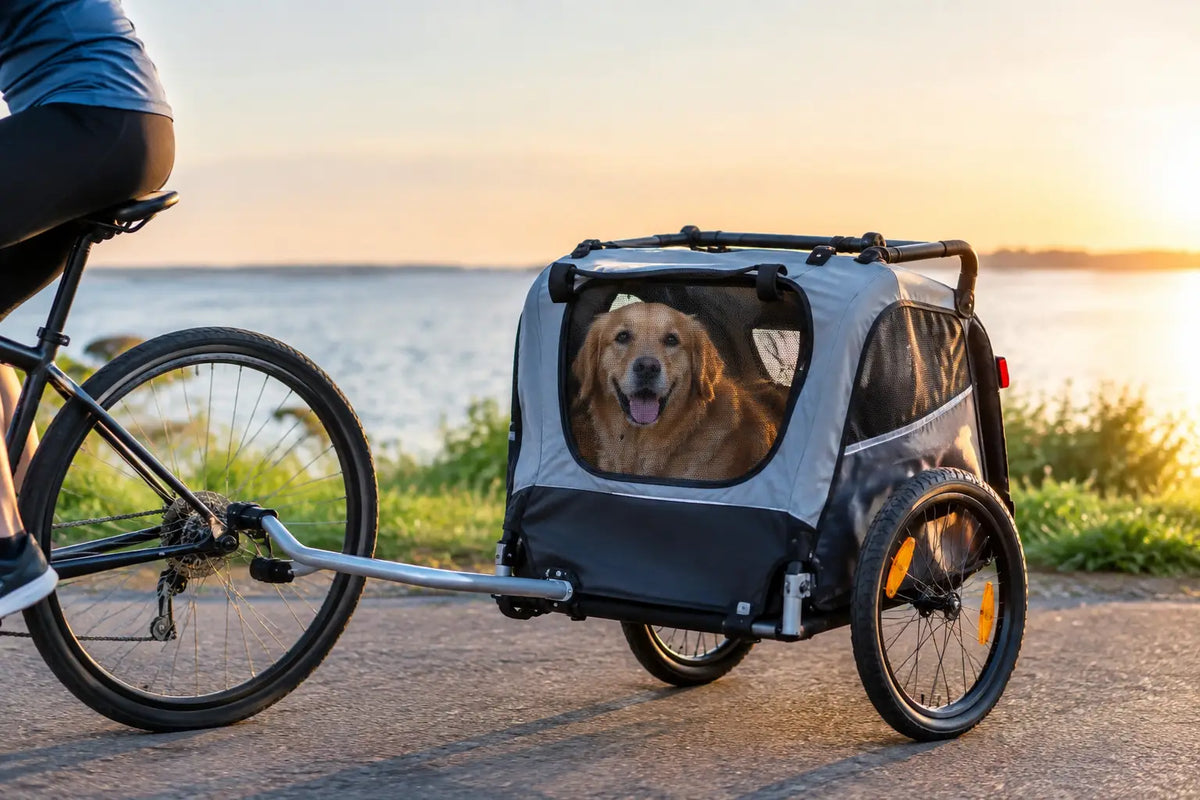
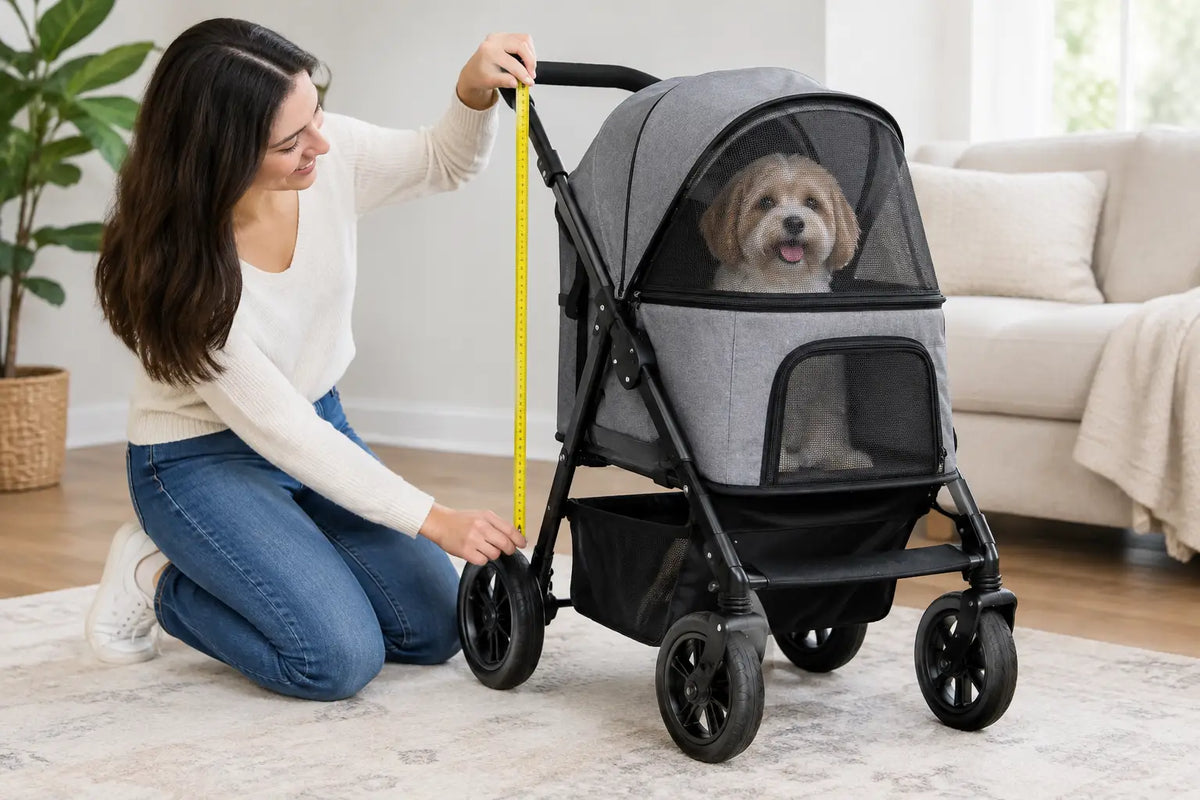
A dog stroller can be a thoughtful option once your veterinary team agrees that getting out is beneficial. It lets a dog join a gentle family outing without walking too far, dealing with busy pavements or being carried awkwardly. Look for a stable frame, a low and manageable entry point, secure closures, good ventilation and enough internal space for your dog to lie naturally. The stroller is not an excuse to rush recovery; it is a way to keep their world pleasantly familiar while protecting their limits.
When a wheelchair may be appropriate
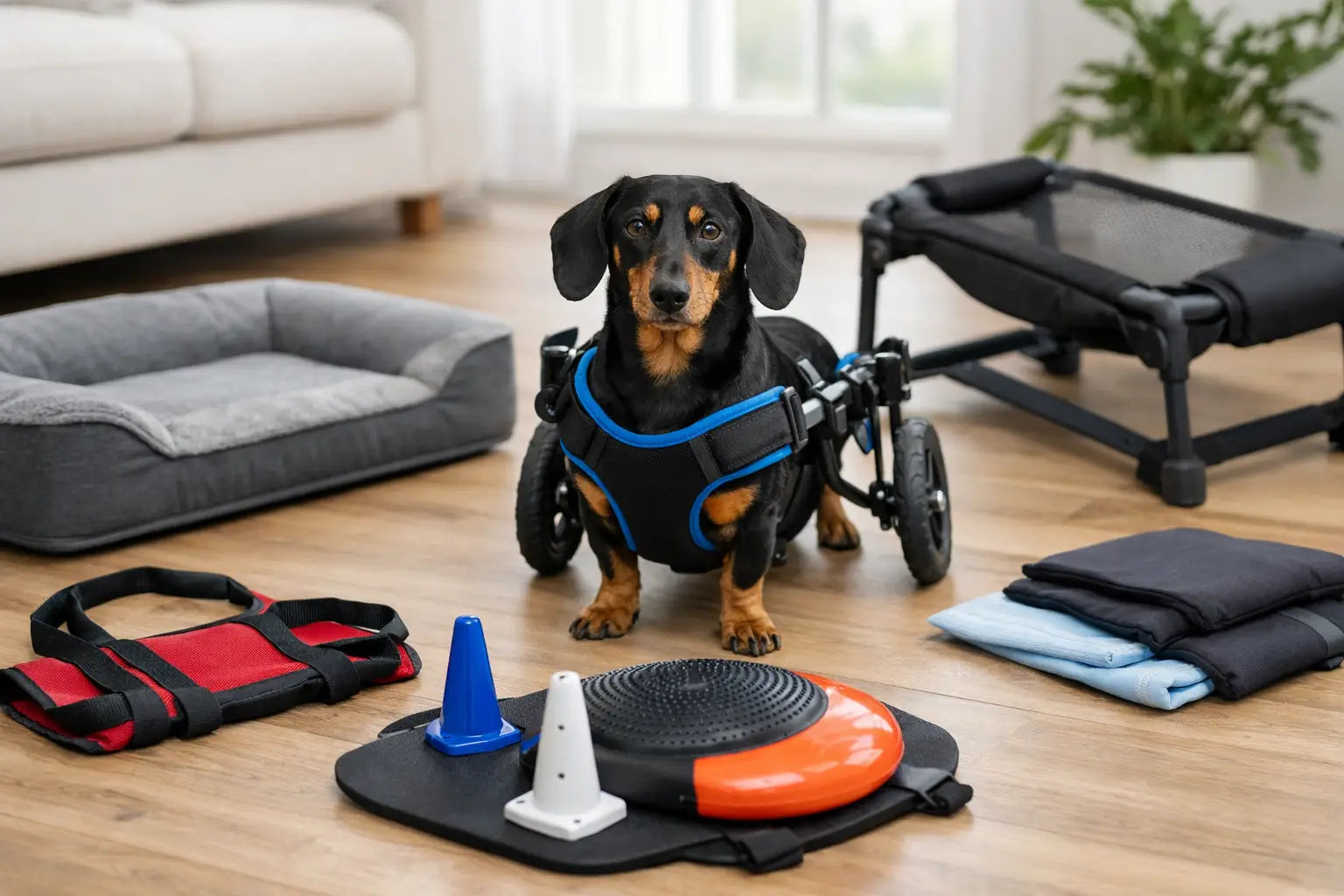
A dog wheelchair is generally not an early-recovery purchase for IVDD. Some dogs need a carefully controlled period without unsupported movement, and using wheels too soon can work against a rehabilitation plan. However, for dogs with persistent rear-leg weakness or paralysis, a properly fitted wheelchair can restore confidence, toileting access and time outdoors.
This is a decision to make with clinical input. A suitable wheelchair supports the dog at the correct height, allows natural front-leg movement and offers adjustable features as strength changes. Poor fit can cause rubbing, pressure sores, poor posture and fatigue. Start with brief, supervised sessions on flat ground and inspect the skin after every use.
Mobility equipment should always preserve dignity, not create a new battle. Some dogs take to wheels immediately; others need several gentle introductions. Their comfort, enthusiasm and recovery goals should guide the pace.
Choose equipment for your dog, not the label
Premium equipment earns its place when it is genuinely fit for purpose: stable materials, secure fastenings, washable surfaces, clear weight limits and thoughtful construction can make daily care safer and less stressful. Yet the most expensive option is not automatically right for every dog.
Consider your dog’s body shape, weight, coat, strength, home layout and stage of recovery. A compact dachshund may need a different support arrangement from a broad-chested French bulldog or a heavy Labrador. Measure carefully, read the stated weight range and leave room for bedding or a recovery suit where relevant.
At Pets Own Us, we believe mobility support should help dogs remain part of the family story, whether that means a calm trip to the garden, a safe car journey or watching the world go by from a comfortable stroller. Take recovery one vet-approved step at a time. The adventure can wait; your dog’s comfort cannot.