Inclusive Pet Travel: Bring Every Pet Along
A day out can become much smaller when getting there is painful, frightening or physically impossible for your pet. Inclusive pet travel is about removing those barriers, whether that means a senior dog can rest in a pram on a long family walk, a nervous cat has a secure airline carrier, or a recovering dog can ride safely to a follow-up appointment.
Pets are family. They should not have to miss the woodland trail, the café stop or the holiday because their body, size or confidence makes ordinary transport difficult. With the right equipment and a little planning, more animals can travel in comfort, with dignity and with a proper place in the adventure.
What inclusive pet travel really means
Inclusive travel is not simply taking your pet with you. It means choosing a journey that works for their individual needs, rather than expecting them to cope with a one-size-fits-all solution. For some pets, that is a crash-tested crate secured in the car. For others, it is an ISOFIX-compatible car seat, a stroller with supportive padding, or a carrier that gives them privacy from an overstimulating world.
It is especially meaningful for dogs living with arthritis, IVDD, neurological conditions or age-related weakness. They may still adore fresh air, new smells and time beside their people, even when they cannot manage a long pavement walk or a jump into the boot. Mobility support does not make an adventure less real. It makes it possible.
The same principle applies to small dogs, cats and small animals. Their size can make them vulnerable to sudden movement, busy stations, unfamiliar dogs and insecure restraint. A well-fitted carrier or seat is not an accessory. It is their protected space while the world moves around them.
Start with your pet, not the product
The best travel set-up begins with an honest view of what your pet finds difficult. Consider stamina, confidence, pain levels, temperature sensitivity and their behaviour around people, traffic and other animals. A fit young spaniel and a 13-year-old dachshund may both love a day out, but they need very different plans.
Ask practical questions before choosing equipment. Can your dog still walk, but only in short bursts? Does your cat settle when enclosed, or need a carrier with more visual cover? Is lifting your pet likely to cause discomfort? Will the journey involve a car, train, bicycle, airport or all of the above?
Weight and measurements matter as much as breed labels. Check the pet's current weight, their seated and lying length, and the product's stated capacity. Allow enough room to turn comfortably where appropriate, but avoid an oversized carrier or crate that lets a pet slide around during braking. If your dog is between sizes, their shape and travel posture should guide the decision.
Travel needs can change over time
A carrier that suited a puppy may be too cramped for an adult dog. Equally, a dog who once bounded into the car may need a ramp, rear support or a stroller after surgery. Review your arrangement as your pet ages, gains or loses weight, or receives a new diagnosis.
There is no failure in adapting. It is good care. A pram can preserve energy for the part of the outing your dog enjoys most, while a wheelchair may help them explore independently rather than being left at home.
Safer journeys by car
The car is where well-meaning owners most often compromise. Holding a small dog on a lap, letting a dog roam freely, or clipping a harness to a standard lead may feel convenient for a short trip. In a sudden stop, none provides reliable protection for the pet or the people travelling with them.
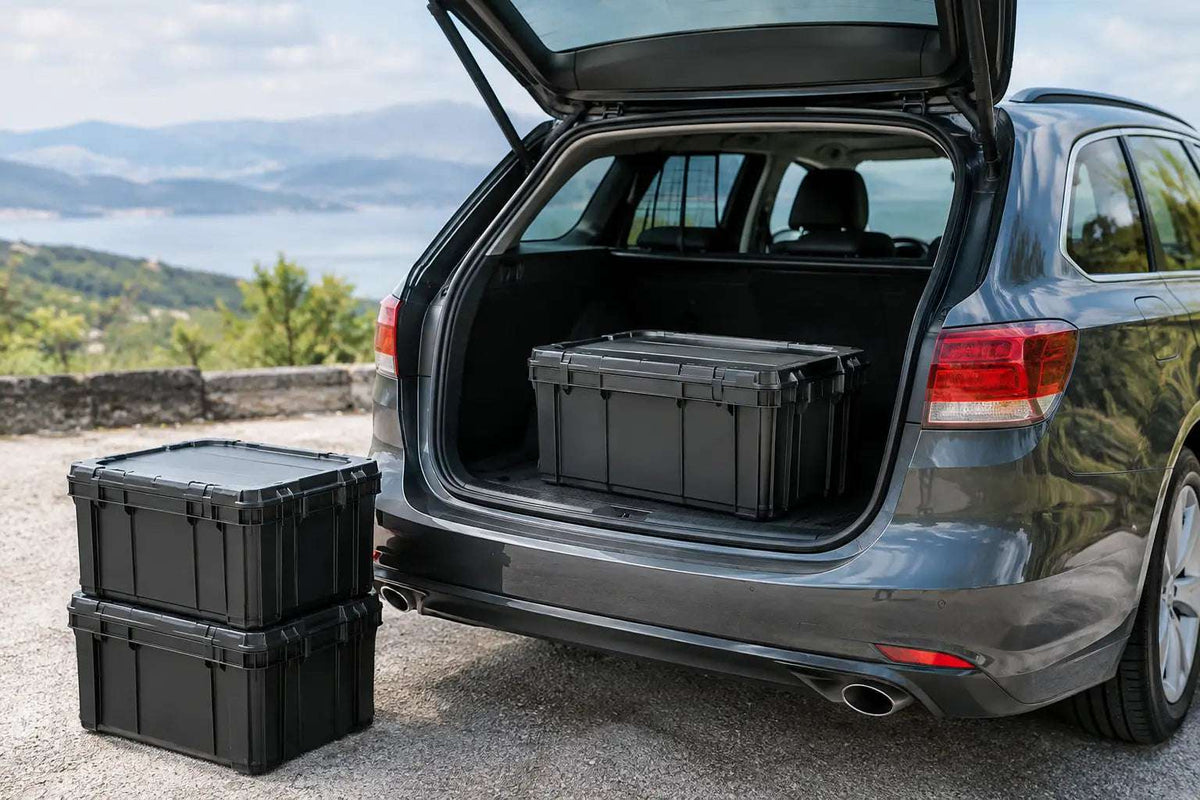
Choose containment or restraint designed for vehicle use. Crash-tested crates are a strong option for many dogs, particularly when matched carefully to the vehicle and installed according to the manufacturer's instructions. Some crates are tested for specific placements and securing methods, so compatibility is not a detail to skip.
For smaller dogs, a properly designed pet car seat can provide a raised, contained place to travel. Where available, ISOFIX attachment offers a direct connection to the vehicle's anchorage points. This can reduce movement compared with a seat that relies only on a conventional seatbelt, although the right choice still depends on your car, your dog's weight and the product's approved use.
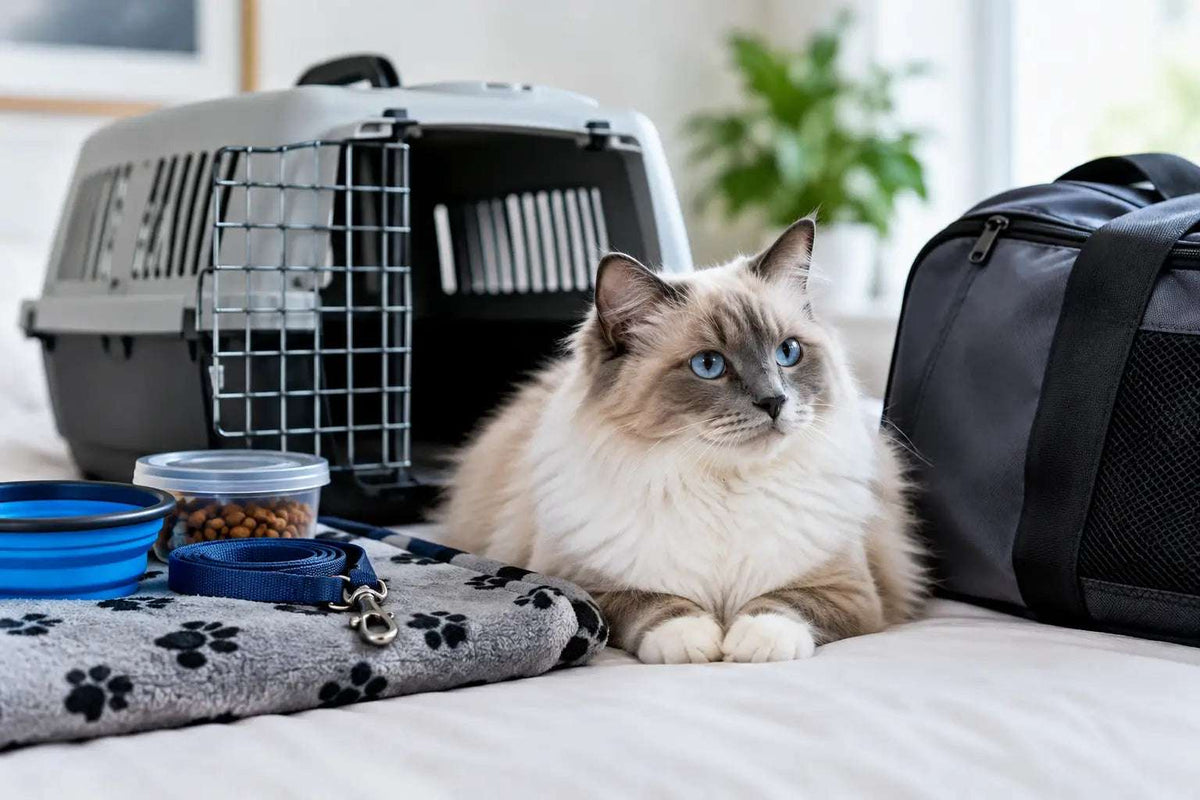
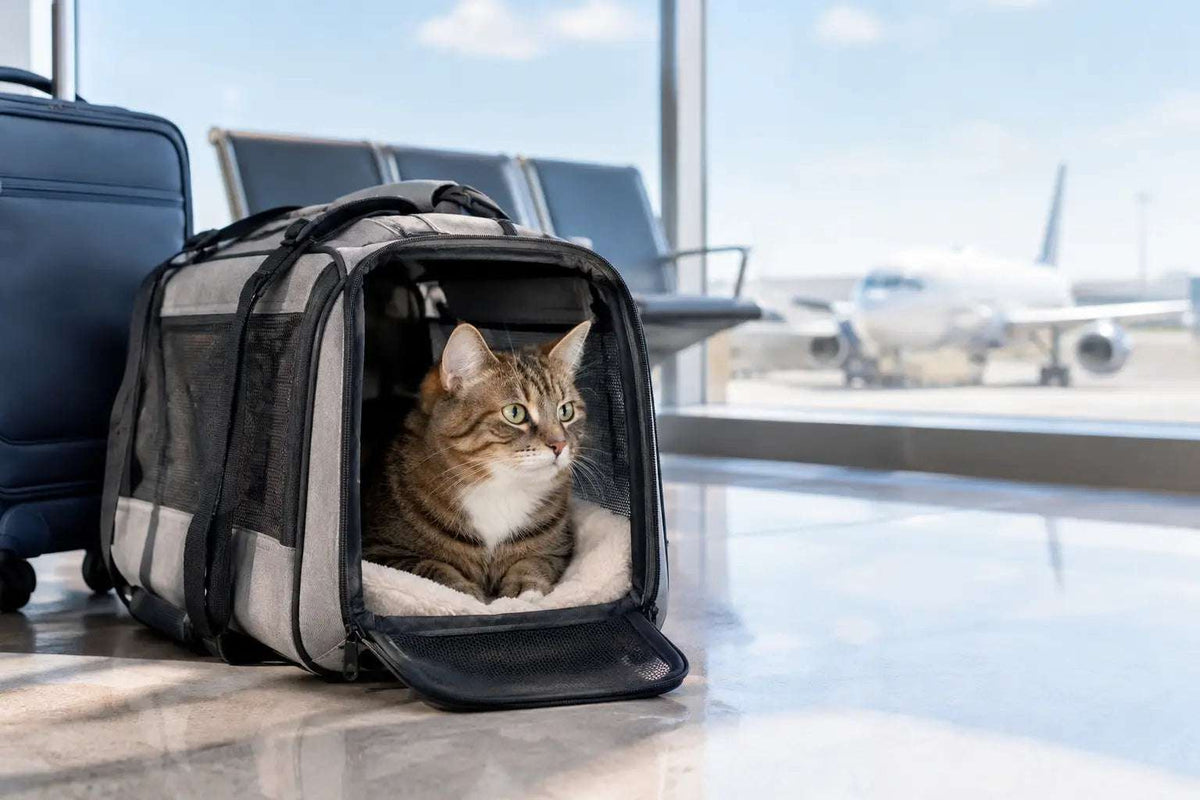
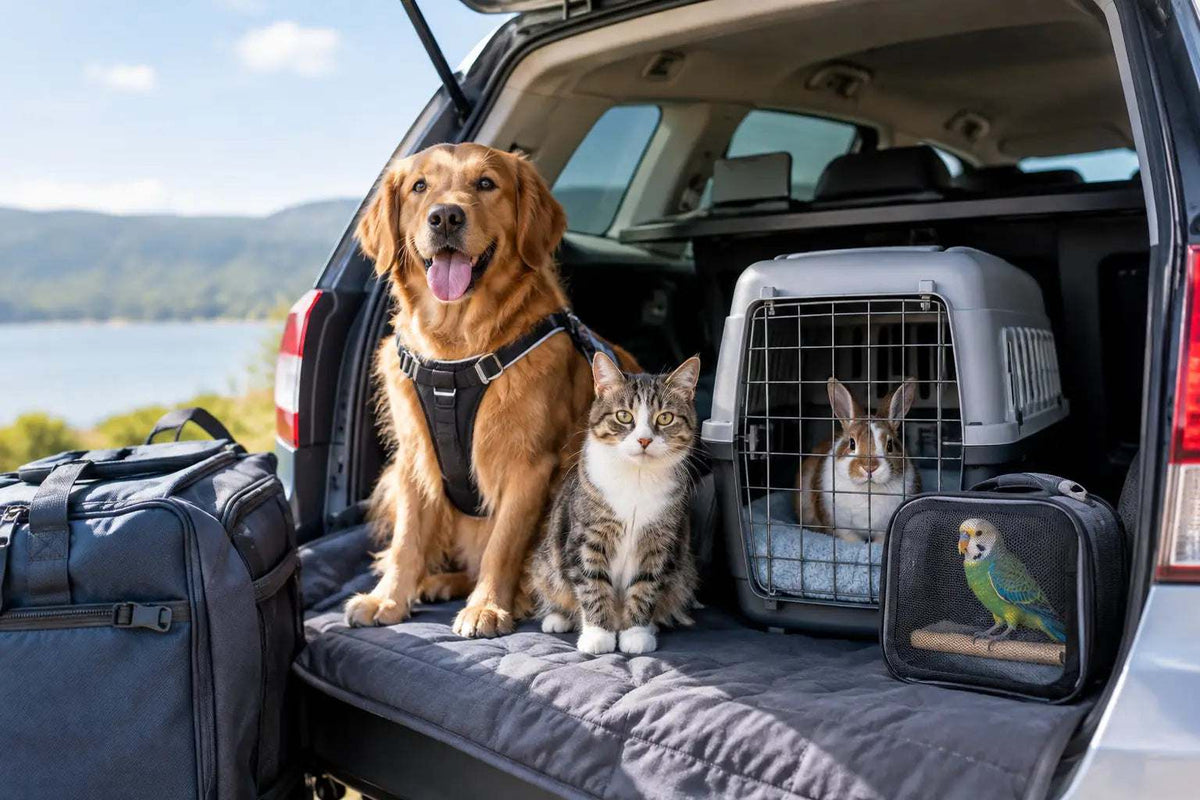
Cats generally travel best in a secure carrier rather than loose in the cabin. Position it where it cannot tip or slide, and avoid opening it before doors and windows are fully closed. A familiar blanket can help, but keep bedding light enough that it does not restrict ventilation or bunch around your pet.
Before a longer drive, take a few short practice journeys. Watch for panting, drooling, vocalising, restlessness or sickness. These can signal anxiety, motion sickness, overheating or discomfort. Stop safely for water and toilet breaks on longer journeys, but never leave a pet alone in a parked car, even on a mild-looking day.
Make walking days accessible again
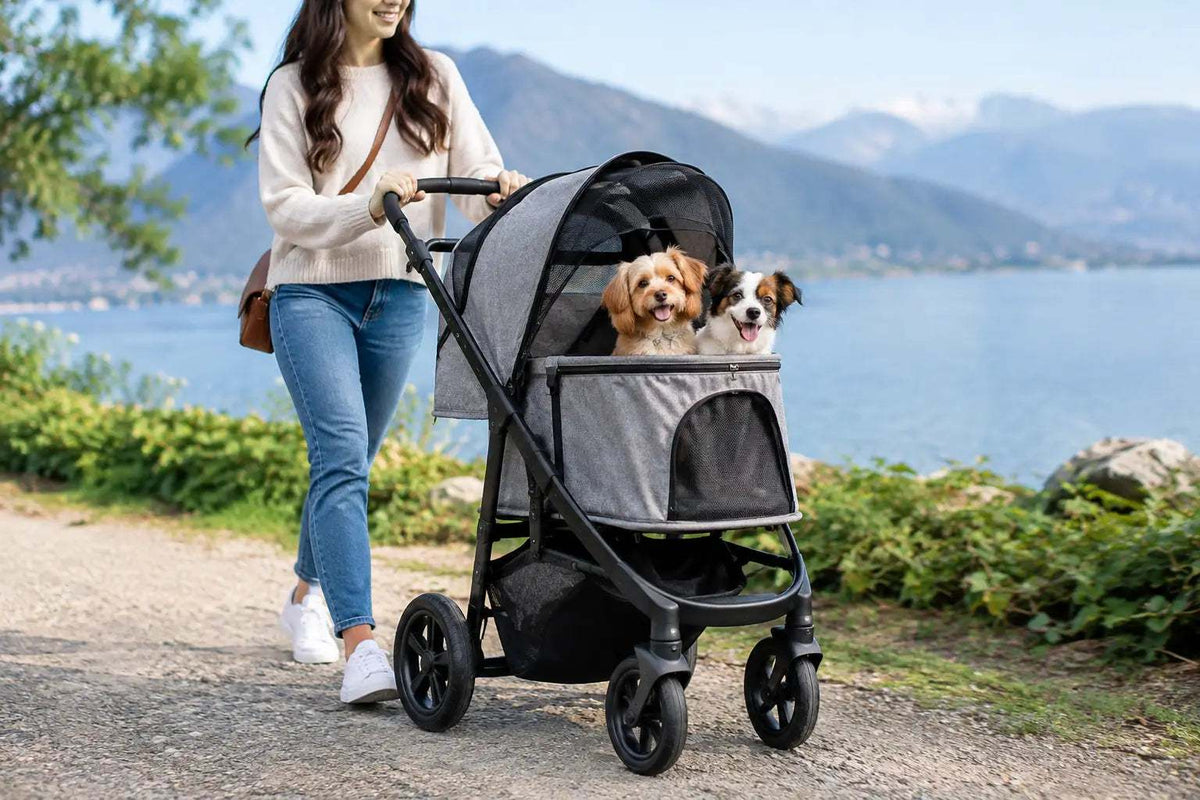
A dog stroller is sometimes mistaken for a luxury until you see what it gives back: an elderly terrier joining the family promenade, a post-operative dog getting fresh air without overdoing recovery, or a small dog staying safe in a crowded town centre.
For a stroller to be genuinely useful, look beyond its appearance. The cabin should support your pet's weight range and allow a comfortable resting position. Ventilation, secure zips, internal tether points where appropriate, stable wheels and dependable brakes all matter. Suspension and wheel size become more relevant on uneven paths, while a compact folding frame may be the priority for city living and a smaller car boot.
If your dog can still walk part of the route, use the stroller as a planned rest point, not simply an emergency solution. Let them walk at their own pace, then ride before fatigue changes their gait or mood. This approach can be particularly kind to dogs with arthritis, spinal conditions or reduced endurance.
Bike trailers can offer another route to inclusion for confident cyclists and pets who are comfortable being enclosed. Introduce the trailer at home first. Let your pet explore it, feed treats nearby and build up to sitting inside with the trailer stationary. The first rides should be short, smooth and quiet. Not every pet will enjoy cycling, and that is fine. Their comfort sets the limit.
Build confidence before departure
Even premium equipment needs a gentle introduction. Place a new carrier, crate or stroller in a familiar room with the door open. Add bedding that smells like home, then reward calm investigation. Avoid forcing a pet inside or shutting them in for too long on the first day.
Build duration gradually. Start with a few relaxed minutes, then practise movement around the house, a brief car journey or a short walk. Keep your own manner calm and matter-of-fact. Pets often notice when we treat a carrier as a signal that something alarming is about to happen.
For anxious animals, reduce the demands of the day where you can. Travel outside the busiest times, pack water and a familiar blanket, and choose quieter rest stops. Some pets cope better with a view; others settle more readily with partial visual cover. Observe rather than assume.
Pack for comfort, not clutter
A travel kit does not need to be elaborate, but it should cover your pet's predictable needs. Water, a bowl, food for longer days, waste bags, a lead or harness, medication, cooling or warming layers where needed, and a small towel are sensible foundations. Carry veterinary details and any relevant insurance information when travelling farther from home.
If your pet has a medical condition, ask your veterinary team what level of activity is appropriate and how to recognise a setback. A wheelchair, rear-support harness or stroller should support the treatment plan, not replace it.
Inclusion is a practical act of care
The goal is not to make every outing bigger or busier. Sometimes the most successful trip is a quiet ten-minute riverside roll, a calm drive to visit family, or a cat arriving at the vet without panic. Inclusive pet travel gives you options, and options protect quality of life.
Choose equipment that meets the journey in front of you, fit it carefully, and give your pet time to learn that it is safe. Your dog deserves a seat on the adventure too - and sometimes that seat is exactly what lets them keep being part of the life they love.