Dog Car Seat Comparison: Find the Right Fit
A dog who paces across the back seat, slides into the footwell at every roundabout or tries to climb onto your lap is not enjoying the journey - and neither are you. This dog car seat comparison looks beyond soft padding and smart fabrics to help you choose a travel setup that gives your companion a secure, comfortable place on every outing.
For many small dogs, a properly fitted car seat makes the car feel less vast and unsettled. For nervous puppies, older dogs and those recovering from injury, the right support can also reduce the physical strain of travelling. But not every elevated pet seat offers the same protection. The key is matching the product type to your dog's size, behaviour, health needs and the way you use your car.
Dog car seat comparison: start with safety
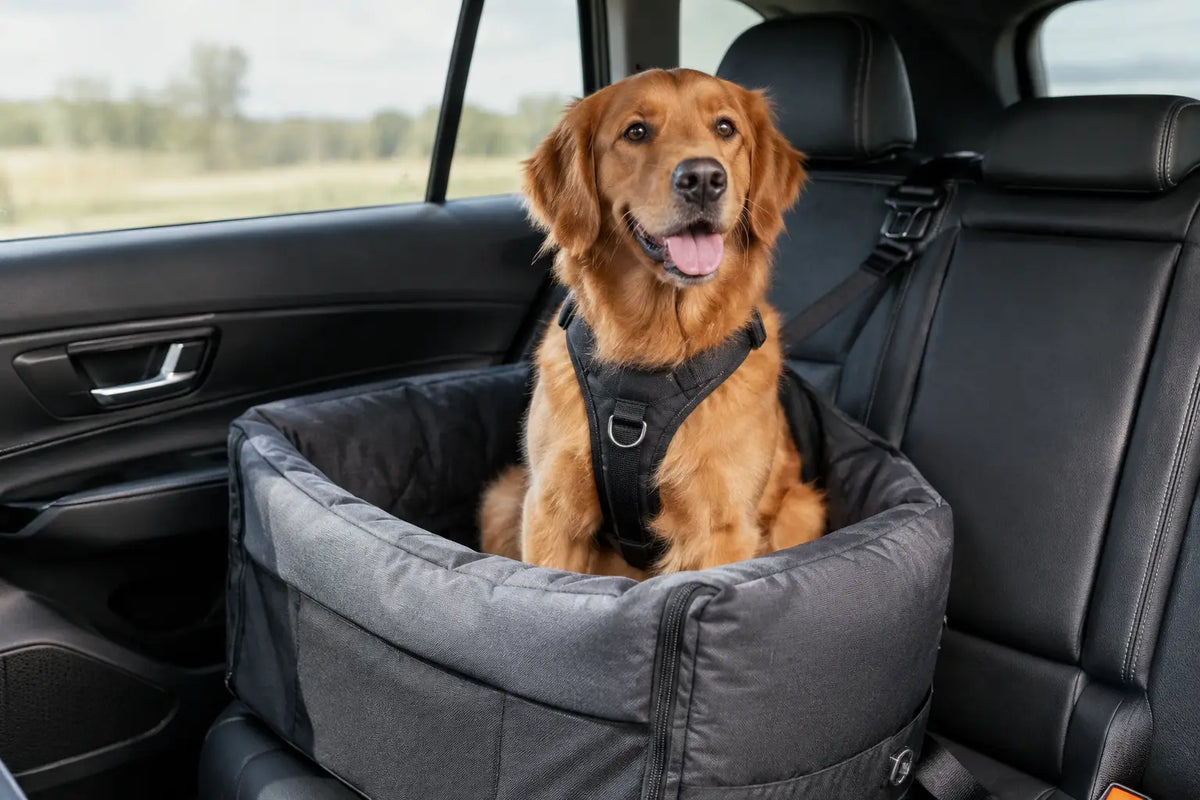
A conventional dog car seat is usually a raised, padded seat that attaches to the vehicle seat using the adult seat belt, sometimes with additional straps around the headrest. It gives a small dog a defined space and a better view out, which may help some dogs settle. Most include an internal tether that attaches to a harness, preventing the dog from wandering around the cabin.
That tether is containment, not automatically crash protection. A soft booster-style seat may be excellent for keeping a calm, lightweight dog comfortable on short local journeys, but it should not be assumed to perform like a tested restraint in a collision. Product descriptions should make clear whether a seat has been impact tested or crash tested, what standard or test protocol was used, and which dog weight range it is designed for.
ISOFIX pet car seats offer a more direct connection to the vehicle's ISOFIX anchor points where compatible. This can reduce movement from side to side and gives a more structured installation than a strap-only booster. Yet ISOFIX alone is not a guarantee of overall crash performance. Check the full system: the seat, its attachment points, the internal restraint, the approved harness arrangement and the stated maximum weight.
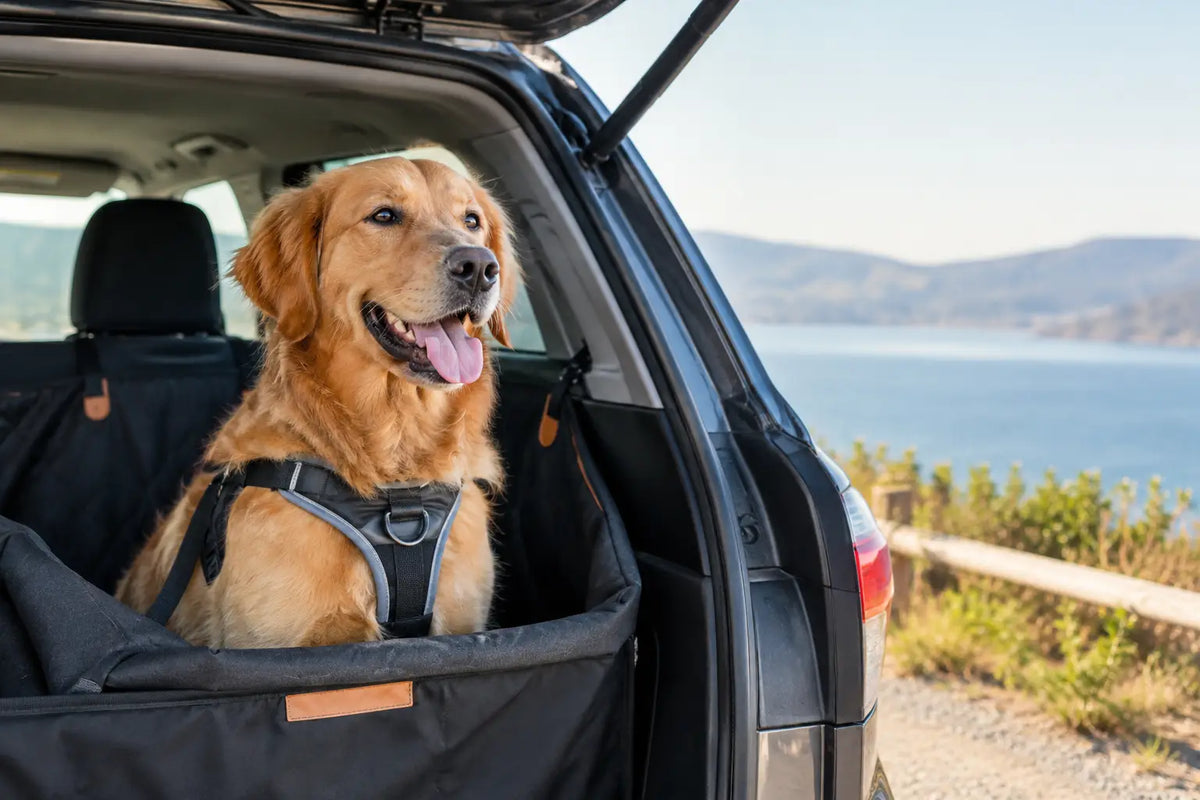
For dogs that exceed a seat's weight limit, are powerful pullers, or travel regularly on faster roads, a crash-tested car crate may be the better answer. It does not provide the elevated, nest-like experience of a car seat, but a correctly sized crate can offer stronger containment and a more suitable travel environment for many medium and large dogs. Bigger is not always better: a dog needs room to lie down and reposition, not enough space to be thrown about.
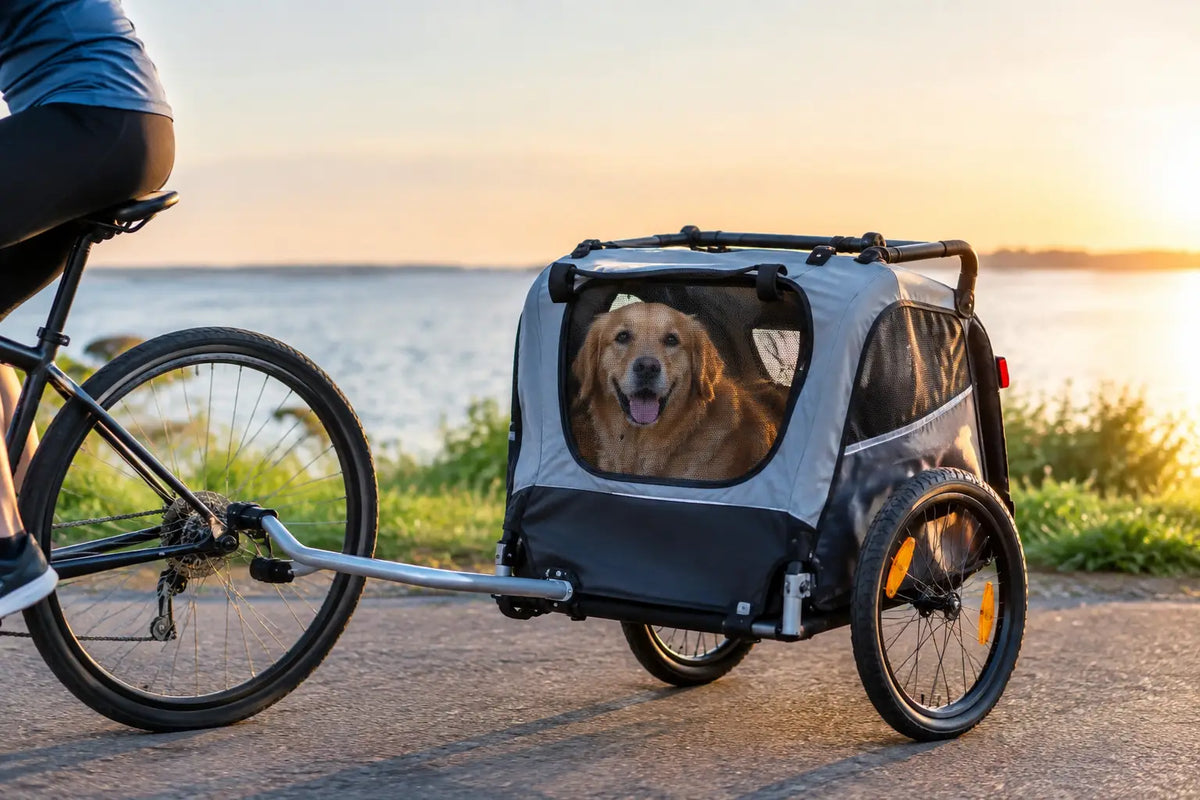
The four travel options at a glance
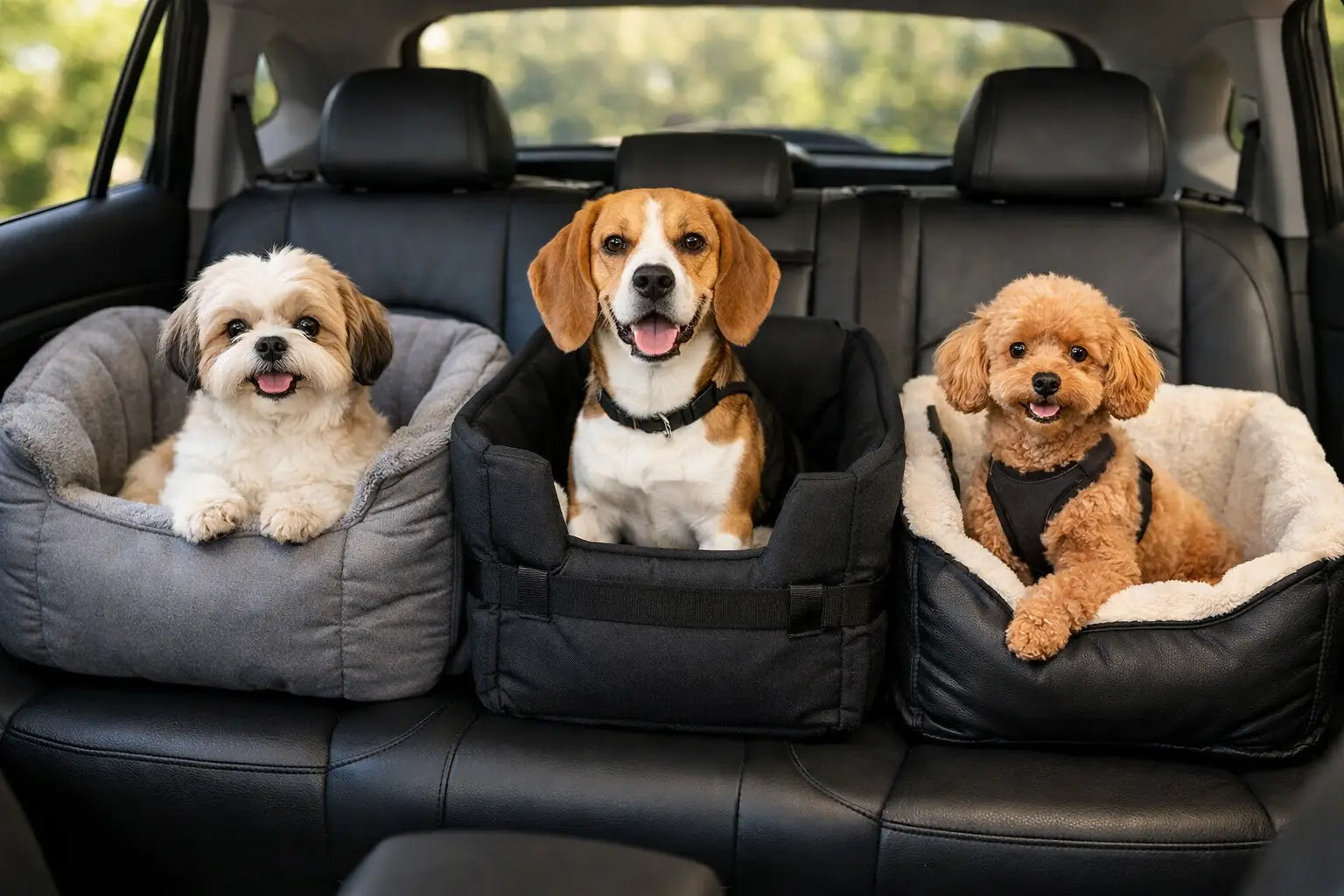
A soft booster seat suits small, settled dogs whose main need is comfort, elevation and controlled containment. Choose one with a firm base, supportive sides, secure vehicle attachment and a short adjustable tether that connects to a well-fitting harness.
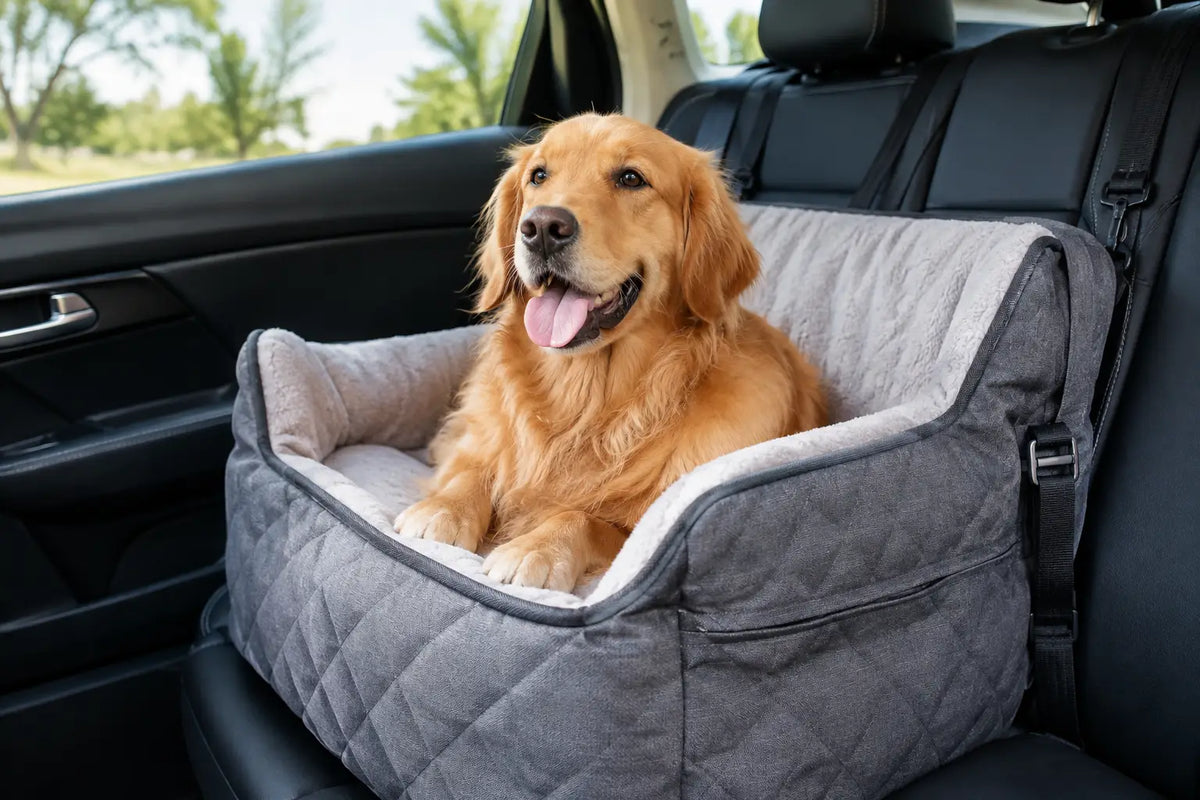
A structured car seat is usually more substantial, with a rigid or reinforced shell and clearer vehicle compatibility. It is worth considering for frequent travellers, dogs that lean heavily against the sides, or families who want a more stable everyday setup.
An ISOFIX car seat is best for eligible vehicles and dogs within the stated size limit, particularly when minimising seat movement is a priority. Confirm that your car has ISOFIX points in the intended position and follow the manufacturer’s installation guidance exactly.
A crash-tested crate is often the stronger choice for larger dogs and safety-led motorway travel. Some dogs also relax more readily in a covered, familiar crate than in a raised seat with a wide view of passing traffic.
There is no single winner because these options solve different problems. A tiny Maltese who becomes carsick may benefit from a cosy, low-sided seat and carefully managed sightlines. A lively spaniel is likely to need a crate rather than a booster, regardless of how attractive the seat looks in the back of the car.
Fit your dog before you choose the seat
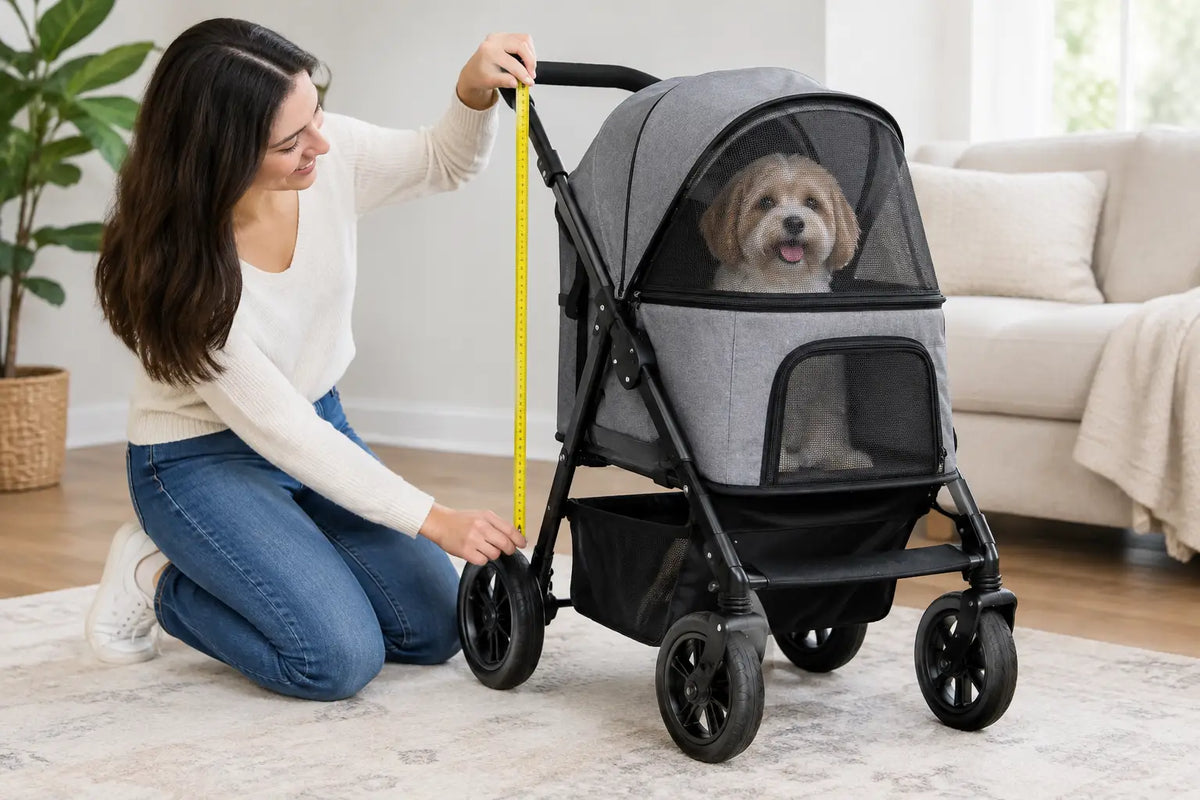
Weight is only the first measurement. A dog can fall within a stated weight limit but still be too long, broad-chested or tall to sit naturally in the seat. Measure your dog from the base of the neck to the base of the tail while they are standing, then assess their shoulder width and the space they need to curl up. Compare those figures with the usable internal dimensions, not only the exterior dimensions.
Watch how your dog rests at home. Dogs who curl tightly can be comfortable in a more compact seat than dogs who prefer to stretch out. A senior dog with stiff hips or arthritis may need a lower front edge and supportive cushioning, while a post-operative dog may need a travel solution that prevents jumping, twisting and scrambling.
The tether must attach to a body harness, never a collar. In a sudden stop, a collar attachment concentrates force around the neck. A snug, well-designed harness spreads pressure more safely across the chest and shoulders. It should be fitted closely enough that your dog cannot reverse out of it, while still allowing free, comfortable breathing.
Think about the route, not only the destination
A ten-minute trip to the groomer asks less of a travel setup than a three-hour drive to the coast. For regular longer journeys, prioritise stable installation, breathable materials, removable washable covers and enough support for your dog to change position. Bring water for planned stops and never leave your dog alone in a parked car, even on a mild-looking day.
If your dog becomes distressed in the car, avoid assuming a higher view will fix it. Some dogs find visual stimulation reassuring; others become more alert to traffic, cyclists and movement outside. Start with short, positive journeys, use familiar bedding if it does not interfere with the restraint system, and seek veterinary advice for persistent nausea or anxiety.
Where should a dog car seat go?
The rear seat is generally the sensible place for a dog car seat. It keeps your dog away from front passenger airbags, which can cause serious injury if deployed. A rear seat also makes it easier to use the car’s seat belt or ISOFIX points as intended by the product manufacturer.
Avoid placing a pet seat in the front passenger position unless both the vehicle handbook and the pet-seat manufacturer specifically permit it, and you fully understand the airbag guidance. Never improvise an installation with bungee cords, loose straps or a seat belt routed differently from the instructions. A premium travel product can only do its job when it is fitted correctly.
Before setting off, give the seat a firm shake. It should feel stable rather than rocking, tipping or sliding across the upholstery. Check the tether length too: your dog should be able to sit, lie down and turn, but not reach the edge of the seat or climb out. Recheck fittings after the first few journeys, as webbing can settle and adjustments may be needed.
Comfort matters because safety depends on it
A dog who is uncomfortable will fidget, brace against the sides or try to escape. That is why comfort is not simply a luxury feature. Supportive cushioning, raised sides, a non-slip base and a shape that suits your dog’s sleeping position all help them remain settled.
For dogs with mobility limitations, consider the whole movement from house to car and back again. A secure car seat may be part of the answer, but a ramp, harness with lifting support or stroller can make the journey kinder by reducing jumps and awkward lifting. Your dog deserves a seat on the adventure too, but they also deserve an easy way to reach it.
Choose washable covers and durable materials if your dog travels after muddy walks, swims or rainy-day outings. For a dog prone to motion sickness, practical clean-up matters just as much as a plush finish. Keeping the seat fresh also helps preserve it as a calm, familiar space rather than somewhere associated with discomfort.
A better question than “which seat is best?”
Ask which setup will keep your individual dog settled and properly restrained in your actual car. Check the dog’s measurements against the internal seat dimensions, confirm the vehicle compatibility, understand the evidence behind any safety claim, and be honest about whether your dog can travel calmly in an open-topped seat.
If you are weighing up a crash-tested crate, ISOFIX seat or supportive booster, specialist advice can prevent an expensive mismatch. At Pets Own Us, the aim is not to make every dog fit the same product. It is to help more pets travel with the comfort, protection and dignity that lets family adventures remain open to them.