Best Cat Travel Backpacks for Calm Adventures
A cat backpack can turn a stressful dash to the vet into a calmer, more contained journey - but only if your cat has room to settle, fresh airflow and a carrier that suits the trip. The best cat travel backpacks are not simply stylish pods with a viewing window. They are secure, well-ventilated carriers that let curious cats come along while protecting more cautious ones from the noise, movement and surprises of the outside world.
For many cats, being close to their person is reassuring. For others, a traditional hard carrier remains the better choice. The right answer depends on your cat’s temperament, size and travel plans, not on whether a backpack looks good in photographs.
What makes the best cat travel backpacks?
A good cat backpack begins with structure. The base should stay flat when you lift it, so your cat is not tipped backwards or left sliding around. Look for a firm, wipe-clean floor with a removable padded liner, plus enough internal height for your cat to sit naturally and turn around.
Ventilation matters just as much as visibility. Mesh panels on several sides encourage air circulation and give your cat options: they can look out when they are curious or turn away when they have had enough. A large clear bubble may look appealing, but it should never be the only source of airflow. On warm days, a backpack with generous mesh is usually the more comfortable choice.
Security is non-negotiable. Zips should feel substantial and ideally have clips or locking points that prevent an inquisitive paw from opening them. Entry points need to be wide enough to place your cat inside without a struggle. A short internal tether can provide a backup with harness-trained cats, but it is not a substitute for fully closing the carrier, and it should never be attached to a collar.
Finally, consider the human carrying it. Padded shoulder straps, an adjustable chest strap and a breathable back panel make a real difference on longer walks. A backpack that swings, digs in or pulls you off balance is unlikely to give your cat a peaceful ride.
Size is about usable space, not a weight limit
Weight guidance is useful, but it is only a starting point. A compact, muscular British Shorthair may fit differently from a long-bodied Oriental cat of the same weight. Measure your cat from nose to base of tail and from the floor to the top of the head when seated, then compare those figures with the carrier’s internal dimensions.
Your cat should be able to stand, turn and lie down comfortably. They do not need a cavernous space, which can make a carrier less stable, but they must not be folded into an awkward position. If your cat is between sizes, a slightly roomier, well-supported design is generally kinder than trying to make a smaller backpack work.
Match the backpack to the journey
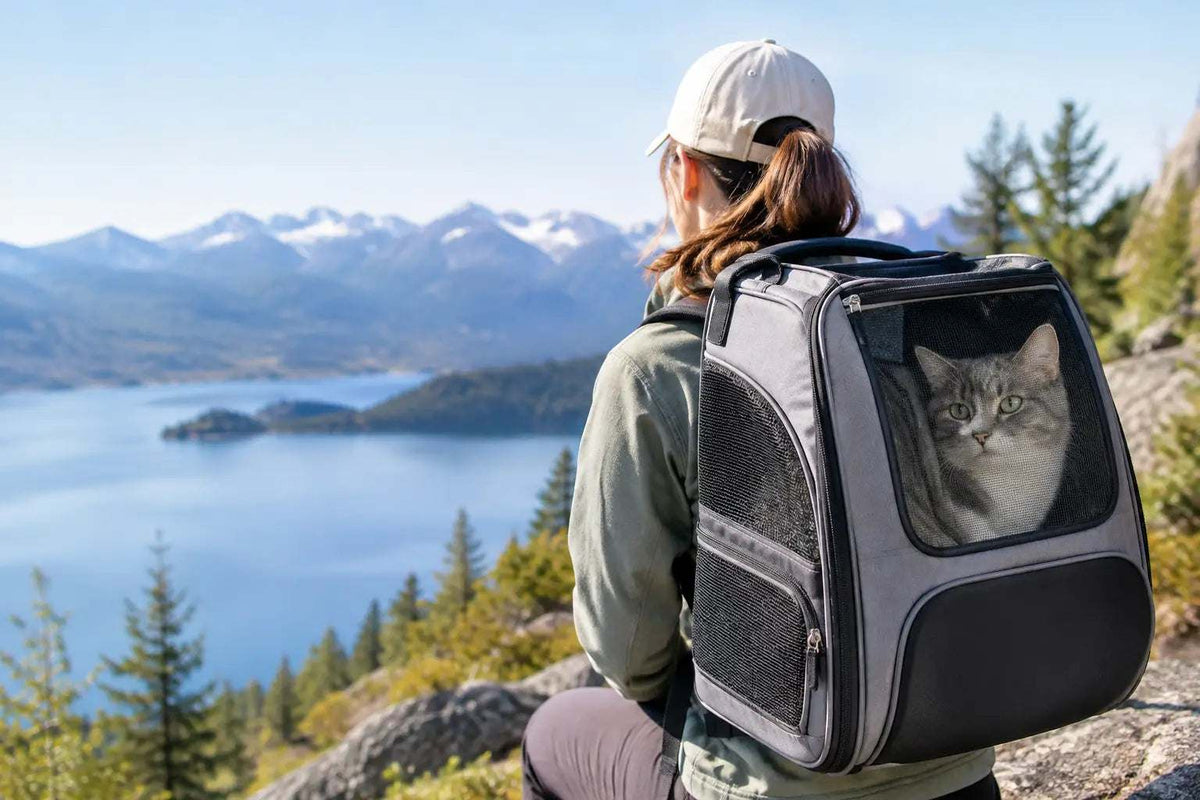
Cat travel backpacks are particularly useful for short walks, public transport, city exploring, vet visits and travel where keeping both hands free helps. They can also work well for confident cats who enjoy sitting securely beside their family at a quiet café terrace or on a gentle holiday stroll.
They are less suitable for every scenario. A backpack is not a crash-tested car restraint and should not be treated as one. When travelling by car, place the backpack securely on the vehicle floor behind a front seat where appropriate, or use a carrier designed and approved for safe vehicle travel. Never wear a cat backpack while driving.
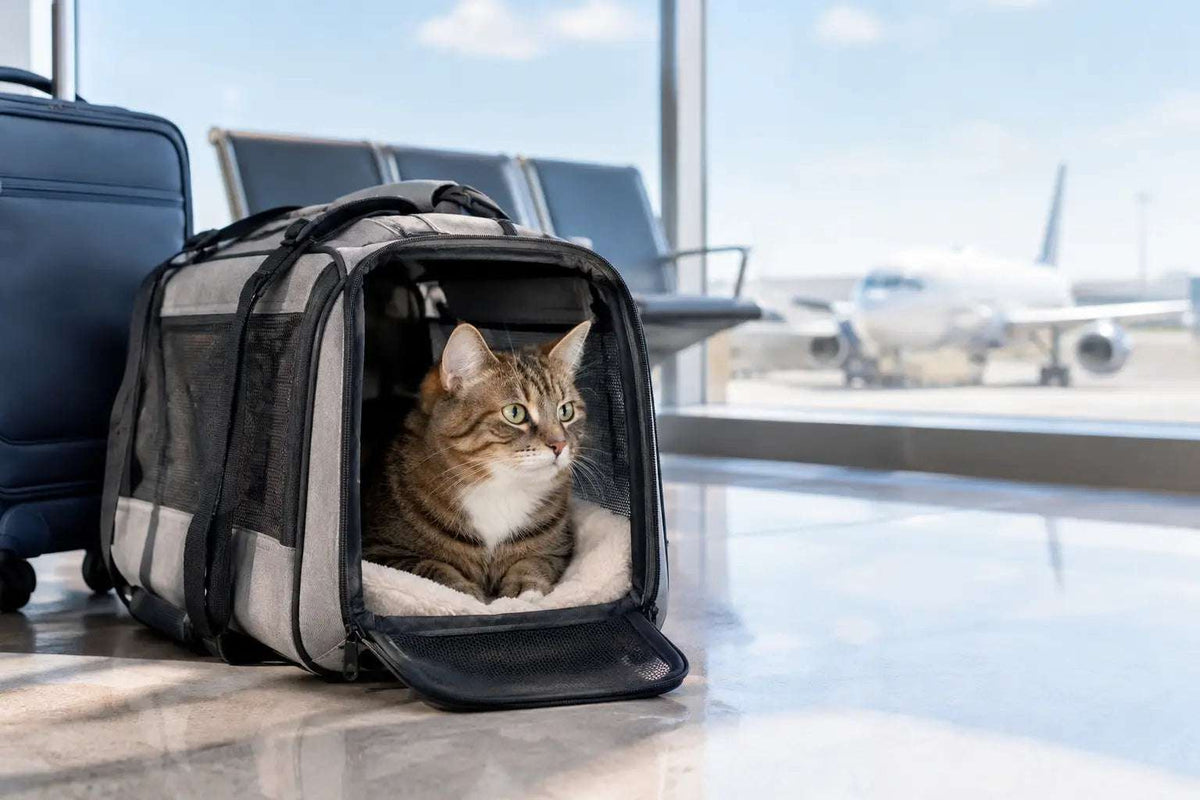
For flights, do not assume that a backpack is airline compliant simply because it is marketed for travel. Airlines set their own under-seat measurements, carrier format rules and pet policies, and these can differ by route. Most airlines also require the carrier to fit beneath the seat, which makes a firm, tall backpack impractical even when the cat fits inside. Check your airline’s current requirements before buying, then measure the carrier rather than relying on a label.
For long train journeys or busy stations, a more covered backpack can help reduce visual overload. Choose one with mesh that can be partially screened, without blocking ventilation. If your cat becomes distressed by crowds, a conventional carrier covered with a light, breathable blanket may be the more sensible option.
Comfort features worth paying for
Premium materials are valuable when they improve your cat’s welfare and the carrier’s lifespan. A rigid frame that does not collapse, durable mesh that resists claws and water-resistant outer fabric are practical investments, especially for regular use in British weather.
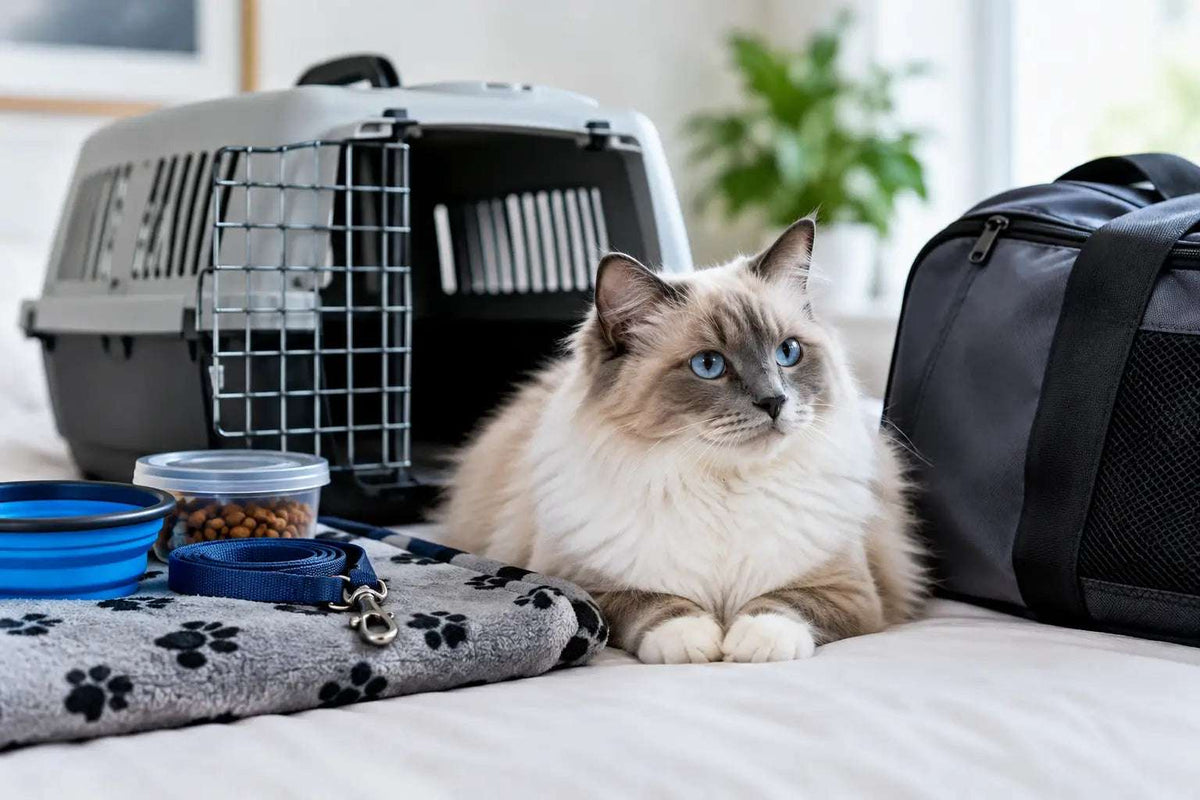
Look closely at the interior. A removable liner is easier to wash after muddy paws, travel sickness or an accident. A familiar-smelling fleece or small blanket can make the space feel less strange, provided it does not reduce your cat’s room or cover ventilation. Some cats settle best with a soft base; others prefer a firmer surface that feels stable beneath their feet.
Useful details include side pockets for wipes, treats and veterinary paperwork, plus a stable top handle for short carries. However, accessories should not add bulk at the expense of balance. A loaded backpack that feels heavy or lopsided can make every step unsettling for the passenger inside.
Signs a backpack is not right for your cat
No carrier can make every cat enjoy an outing. Respecting that boundary is part of travelling well together. Consider another option if your cat shows persistent signs of distress, such as:
- panting, drooling or vocalising continuously during gentle practice sessions
- frantic scratching or repeated attempts to force open the carrier
- freezing, hiding or refusing food long after returning home
- difficulty settling because they are too large, arthritic or unsteady on the backpack base
Help your cat accept the carrier before travel day
The biggest mistake is bringing out a new backpack five minutes before an appointment. Instead, leave it open at home with the liner inside and a few familiar treats nearby. Let your cat investigate on their own terms. Feeding a favourite treat just inside the entrance can create a positive association without pressure.
Once your cat is comfortable stepping in, briefly close the carrier, then open it before they become unsettled. Build gradually from a few seconds to a few minutes, with calm praise and a reward afterwards. Next, lift the backpack for a moment, walk around one room and eventually try a short, quiet outdoor trip.
Keep early outings deliberately boring. A peaceful five-minute walk is more useful than a crowded afternoon in town. Watch your cat’s body language rather than pushing on because you had planned a longer route. Relaxed ears, normal breathing and an ability to settle are good signs; wide eyes, flattened ears and restless movement mean it is time to stop and reassess.
A few safety habits that protect every journey
Before leaving, check every zip, clip and seam. Put your cat into the backpack indoors with doors and windows closed, particularly if they are nervous or quick to bolt. Use a properly fitted harness only if your cat already accepts one, and keep identification details current.
Avoid travelling during the hottest part of the day. Cats can overheat quickly in enclosed spaces, even with mesh ventilation. Never leave a cat in a backpack in a parked car, and do not place the carrier in direct sun for extended periods. Carry water for longer days out, but avoid adding loose bowls that can spill inside the carrier.
At Pets Own Us, we believe pets are family, and family deserve a place on the adventure that feels safe rather than simply portable. Choose a backpack that supports your cat’s confidence, take the training slowly, and let their comfort decide how far the next adventure goes.