Travel Crates That Keep Dogs Safe and Settled
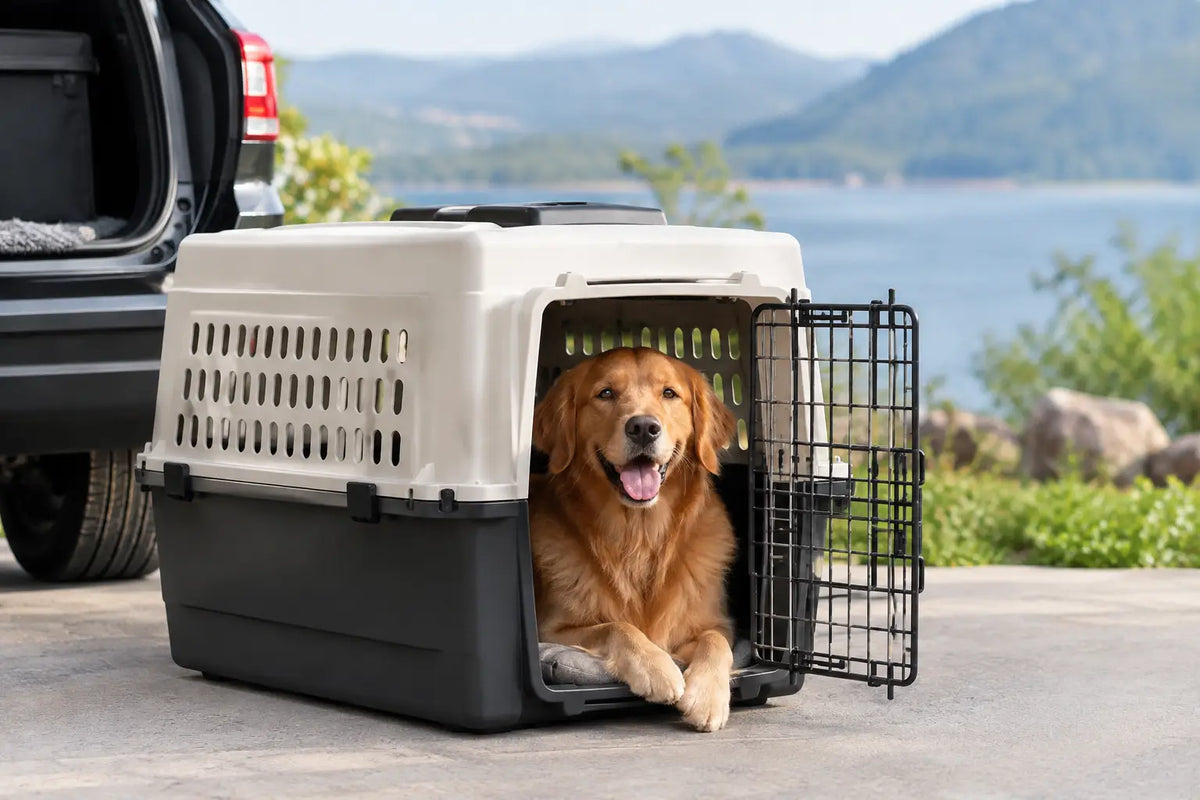
A crate should never feel like the bit that stops your dog coming along. The right travel crates give them a protected, familiar place to rest while you drive to the coast, catch a ferry, visit family or head off on holiday. More importantly, they help prevent a loose pet becoming frightened, injured or a distraction when conditions change quickly.
Not every crate is designed for every journey. A lightweight carrier that works beautifully for a nervous cat on the train may be entirely unsuitable for a motorway journey with a strong, lively dog. Choosing well means looking beyond appearance and considering the journey, your pet’s measurements, their temperament and the level of protection required.
Start with the journey, not the crate
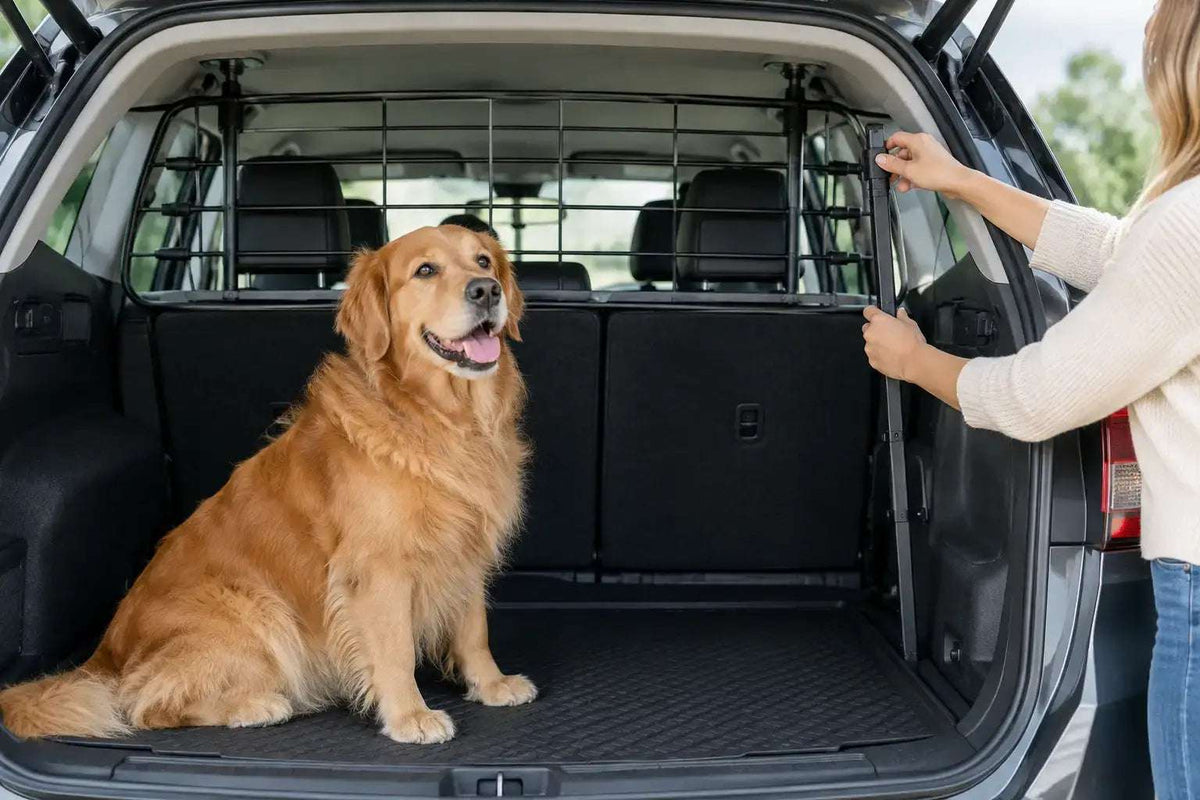
The first question is simple: how will your pet travel? Car travel calls for a crate that is stable, correctly positioned and, where safety is the priority, independently crash tested for vehicle use. A crate can be sturdy in the kitchen yet offer little meaningful protection in a collision. Look for clear testing information, vehicle compatibility guidance and instructions on how the crate must be secured.
For flights, airline requirements come first. Airlines set their own rules around dimensions, materials, door security, absorbent bedding and ventilation, even when a carrier is described as airline compliant. Check your specific airline’s current policy before buying, then measure the crate with any fitted accessories in place. A carrier that is a few centimetres too tall may not be accepted at check-in.
Rail, ferry and everyday trips are often more flexible, but comfort still matters. A quiet dog who settles easily may suit a foldable fabric crate for short stays, while a cat or anxious small dog may feel safer in a rigid carrier with a secure door and limited visual stimulation. There is no single best material - there is only the best match for the job.
How to size travel crates properly
A travel crate should give your pet enough room to stand naturally, turn around and lie down in their usual resting position. It should not be so large that they slide from side to side when the vehicle brakes or corners. For car use especially, a close, well-considered fit can help your pet feel more supported.
Measure your dog from the tip of the nose to the base of the tail while standing, then measure floor to the top of the head or ears. Also consider their sleeping style. A curled-up miniature dachshund needs a different footprint from a leggy whippet of similar weight. Weight limits are useful, but they are not a substitute for internal dimensions.
For puppies, avoid sizing up dramatically in the hope of getting years of use from one crate. Excess space can reduce stability in a moving vehicle and may make a young dog feel exposed. If you do choose a larger crate, only use manufacturer-approved dividers and never improvise with loose items.
Cats deserve the same attention to fit. They usually travel best in a carrier where they can turn and settle comfortably, rather than in an oversized space that shifts around. A familiar blanket carrying the scent of home can make a considerable difference, provided it does not obstruct ventilation or create a tangling risk.
Consider your pet’s physical needs
Senior dogs, dogs recovering from surgery and pets living with arthritis, IVDD or reduced mobility may need more than a standard entry door. Look for a low threshold, a wide opening and enough headroom to avoid awkward bending. A non-slip base helps unsteady paws, while supportive bedding can reduce pressure on sore joints.
For a dog using a wheelchair or rear-support harness, think about the whole transfer, not just the crate itself. Can you lift them safely? Is the crate positioned at a workable height? Would a stroller be kinder for getting from the car park to your destination? Keeping pets included sometimes means combining the right travel crate with the right mobility support.
Safety details worth checking before you buy
A premium crate earns its place by making the practical details easier to get right. For car journeys, prioritise products with clearly stated crash-test credentials rather than vague claims of being “safe” or “heavy duty”. Check whether the crate has been tested in a comparable installation to yours, and whether it is intended for the boot, rear seats or a particular vehicle type.
Ventilation needs thought too. Your pet needs steady airflow on all sides, particularly during warmer weather or a long wait at a ferry terminal. Yet an open design may not suit every animal. Some nervous pets settle better with partial visual cover, as long as air vents remain fully clear.
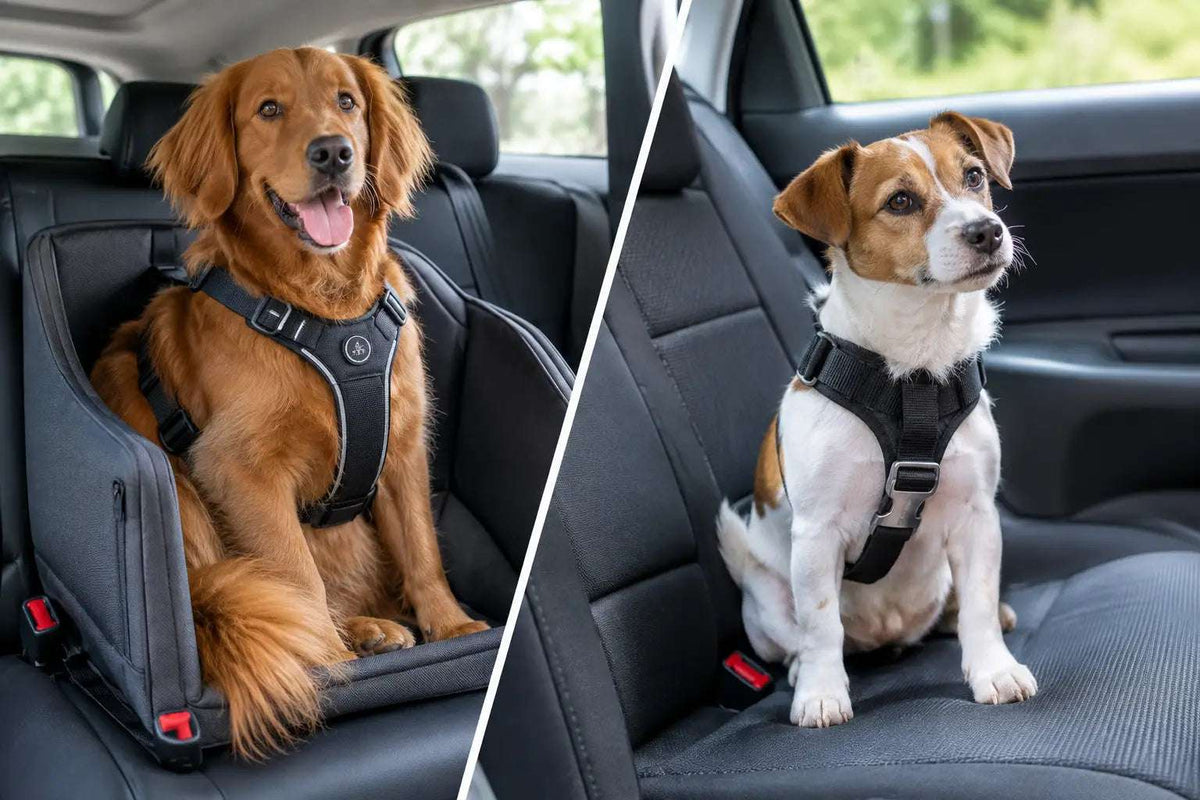
The door and latches should feel secure without being difficult for you to operate in an emergency. Test them at home. Can you open the door calmly with one hand? Does it shut cleanly? Are there exposed edges or gaps where a collar tag, claw or paw could catch? For travel, it is sensible to remove dangling collars and harnesses inside the crate where safe to do so, reducing snagging risk.
Also check the crate’s weight. A solid metal crate may offer excellent durability, but it can be awkward to lift in and out of a car. Aluminium options are often lighter, while rigid plastic carriers can be practical for flights and smaller pets. Fabric crates are convenient and compact, but they depend on a pet who will not chew, scratch or push against the sides.
Help your pet see the crate as their safe place
The safest crate is not much use if your pet panics when the door closes. Introduce it at home, long before a big journey. Leave the door open, add familiar bedding and allow your dog or cat to investigate at their own pace. Meals, treats and a favourite chew can build a positive association without forcing the issue.
Once they are comfortable resting inside, practise closing the door for very short periods while you remain nearby. Then progress to lifting the carrier, sitting in the parked car and taking a brief drive. Keep early sessions calm and end before your pet becomes overwhelmed. This is particularly valuable for rescue pets, cats unused to travel and dogs returning to outings after illness or injury.
Avoid using the crate only when something unpleasant is about to happen. If it always predicts the vet or a stressful journey, resistance is understandable. A few relaxed, ordinary outings - perhaps a quiet walk in a new park followed by a treat - can change the emotional picture.
Set up the crate for the journey ahead
Keep the interior simple. A fitted, washable liner or thin non-slip bed is usually more practical than piles of loose blankets. Bedding should be absorbent, easy to clean and secure enough not to bunch beneath your pet. For longer trips, carry spares along with water, cleaning materials and any medication.
Never place the crate in direct sun or leave your pet unattended in a parked vehicle. Temperature can rise or fall rapidly, even on a mild British day. Plan regular stops for dogs, offering a lead-controlled toilet break and water. Cats may prefer to stay enclosed during a short stop, but should still have access to water on longer journeys.
Before setting off, double-check that the crate is secured exactly as its manufacturer specifies. Do not rely on luggage, a folded seat or your pet’s weight to hold it in place. A safe travel setup protects everyone in the vehicle and lets your companion rest rather than brace themselves through every bend.
A well-chosen crate is not simply pet luggage. It is a small, dependable space that says your dog or cat has a place in the plans. Take the time to match it to their body, their needs and the way you travel, and the next adventure can begin with a calmer door close.