Airline Carrier Rules for Pets: What to Check
A carrier can look perfectly airline-ready at home and still be refused at check-in. Airline carrier rules are not one universal standard: the permitted dimensions, pet weight, carrier type and even the routes that accept animals can change between airlines. For pets who are family, that is more than an inconvenience. It can turn the start of a holiday into a stressful experience for everyone.
The safest approach is to choose the carrier around your airline's current requirements, then make sure your dog or cat can travel calmly and comfortably inside it. A smart-looking carrier matters, but secure closures, accurate sizing and familiarisation matter more.
Airline carrier rules start with your travel type
First, establish whether your pet will travel in the cabin, in the hold, or as cargo. Each option has different rules, and some airlines do not carry pets at all except recognised assistance dogs. On many UK routes, pets cannot travel in the passenger cabin, while flights departing from other countries may have different arrangements. Never assume that a carrier accepted on an outbound journey will be accepted on the return flight.
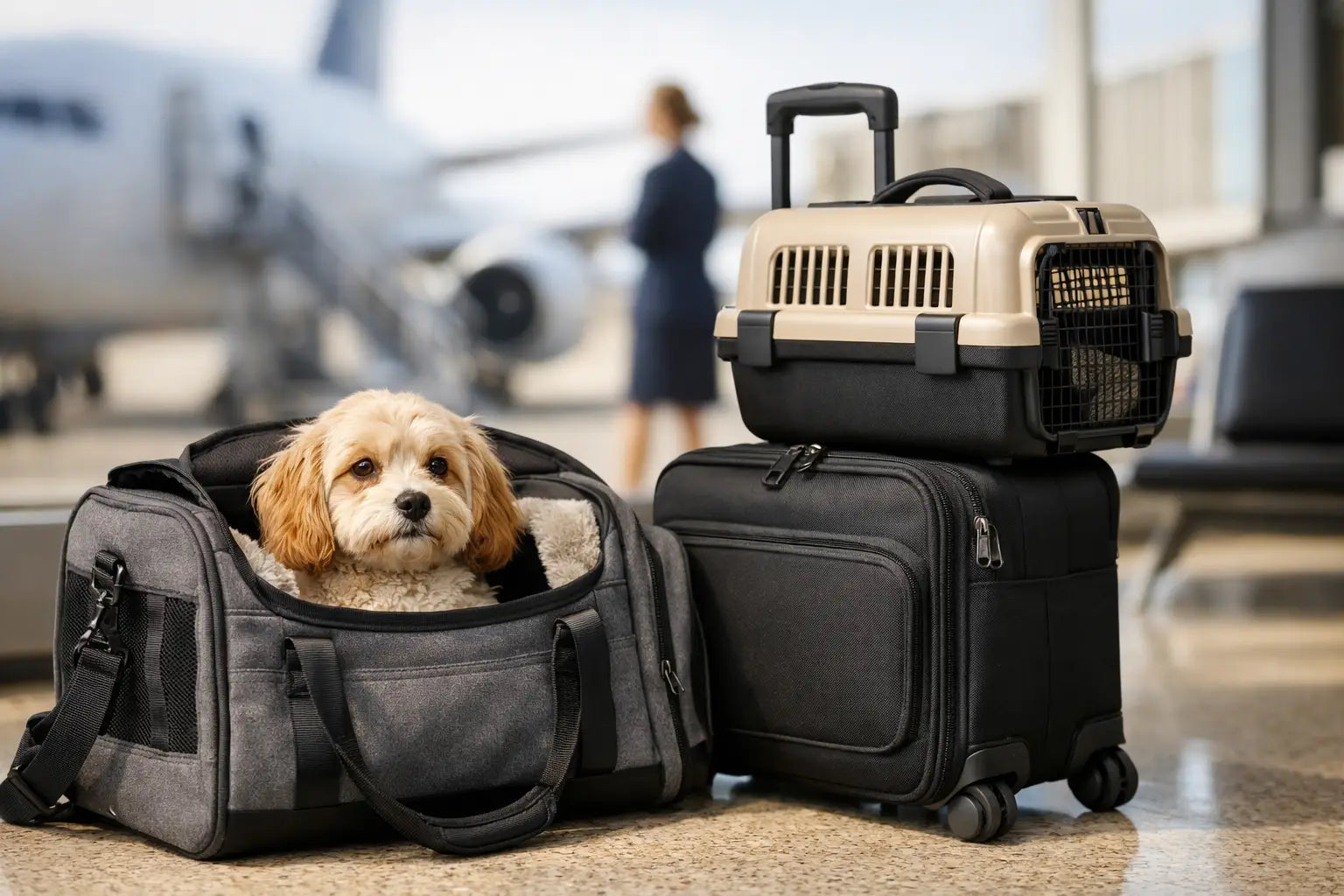
For in-cabin travel, the carrier normally needs to fit fully beneath the seat in front of you. Airlines may state a maximum height, width and length, plus a combined weight limit for pet and carrier. Soft-sided carriers are often practical here because they can flex slightly under the seat, but that flexibility must not mean a sagging base or insufficient protection.
For hold travel, requirements are usually stricter. The carrier may need to be rigid, ventilated on several sides, securely fastened and large enough for the animal to stand, turn around and lie down naturally. Some routes also require a particular crate specification or approval. Ask the airline what it accepts for your specific flight, not simply what it describes as a pet carrier in general.
Measure the carrier, then measure your pet
A common mistake is buying a carrier based on a pet's weight alone. Weight limits are essential, especially for cabin travel, but your pet's body shape determines whether the space is genuinely comfortable.
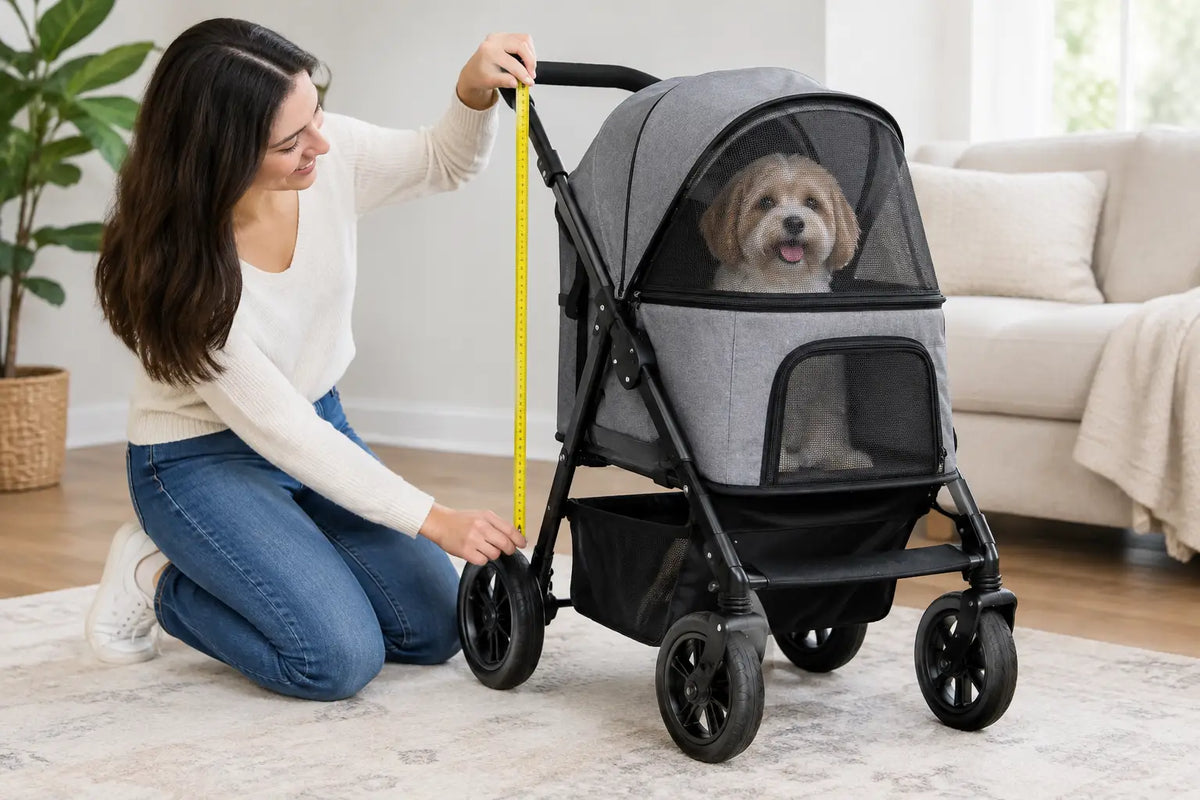
Measure your dog or cat from the floor to the top of the head or ears when standing, then from the nose to the base of the tail. Compare those figures with the carrier's internal dimensions. Product measurements can refer to the exterior, and handles, wheels or thick padding may reduce usable room. For cabin carriers, confirm whether the airline measures from the base, includes pockets, or requires the bag to compress below a stated height.
Your pet should be able to lie down without being tightly curled or pressed against the sides. They should also be able to turn around. A carrier that is far too large is not automatically better, however. During movement, excess space can let a small pet slide about, making them feel less secure. The right fit is supportive, stable and breathable.
Senior pets, flat-faced breeds and dogs recovering from injury deserve extra consideration. They may need more headroom, a firmer mattress or easier access than a standard carrier provides. If a pet cannot comfortably step into the opening, a top-entry design or a carrier with a wide, low doorway may be kinder and more practical.
Cabin carrier checks that are easy to miss
Before committing to a carrier, check the details that are most likely to cause trouble at the gate:
- The carrier's external dimensions when it is packed, including side pockets and handles.
- The combined weight of your pet, carrier, absorbent bedding and any permitted essentials.
- Whether the base is waterproof and firm enough to stay level beneath the seat.
- Whether every zip, clip and mesh panel closes securely without gaps a nervous pet could push through.
- The airline's rules on taking the pet out of the carrier during security screening and in the terminal.
Comfort is part of safe travel
A carrier should protect your pet without making them feel trapped. Look for generous ventilation, stable construction and a secure base that does not dip under their weight. Mesh windows can provide airflow and reassurance, but the mesh should be durable and positioned so your pet is not exposed to draughts or constant foot traffic.
Add an absorbent, non-slip liner rather than a bulky bed that steals valuable space. A familiar-smelling blanket can be reassuring, provided it does not block ventilation or create an overheating risk. If your pet is prone to accidents, use a washable layer and carry a spare for the journey.
Avoid attaching bowls, toys or accessories that could become loose in a small cabin carrier. For longer or hold journeys, the airline may require accessible water arrangements, but follow its instructions exactly. Rules about food, water and absorbent material are particularly variable.
Temperature also matters. Brachycephalic breeds, older animals and pets with respiratory or heart conditions can be more vulnerable to heat and stress. A vet can advise whether flying is appropriate for your individual pet, especially if they have an existing medical condition. Sedation is not a casual travel solution and can carry risks at altitude, so only use medication under veterinary guidance.
Help your pet see the carrier as a safe place
The best carrier in the world cannot compensate for a pet who only encounters it when the front door closes. Begin carrier training well before travel, ideally over several weeks. Leave the carrier open in a familiar room with the liner inside, then reward your pet for investigating and choosing to rest there.
Once they are relaxed, practise closing it briefly, lifting it gently and taking short trips. Keep sessions calm and build up gradually. This is especially valuable for cats, who may associate carriers with stressful vet visits, and for small dogs who have never spent time contained while moving.
On travel day, give yourself margin for parking, check-in and unexpected queues. Offer a toilet break before entering the terminal, but avoid a large meal immediately before a flight unless your vet advises otherwise. Keep paperwork, booking confirmation and any destination-specific pet documents easy to reach, rather than packed beneath everything else.
Do not confuse airline rules with travel paperwork
The carrier is only one part of preparing to fly. Depending on your route and destination, your pet may need an animal health certificate, microchip, rabies vaccination evidence, tapeworm treatment or other documentation. Rules can change, and requirements for entry, transit and return to Great Britain are not always the same.
Check the airline's pet policy and the official entry requirements for every country involved in your trip. Do this before booking non-refundable flights or purchasing a carrier. It is also wise to confirm your pet's space directly with the airline, as cabin pet places can be limited even when the flight itself has seats available.
Choosing a carrier with confidence
A premium carrier earns its place by doing the unglamorous jobs well: holding its shape, protecting the pet, cleaning easily and staying comfortable in real use. Consider how you will reach the airport too. A lightweight carrier with a padded shoulder strap may suit a small cat travelling by taxi; a pet who tires easily may benefit from a compatible stroller for the terminal, where permitted.
At Pets Own Us, we believe your dog deserves a seat on the adventure too, but that seat needs to be right for the journey. Check the airline's live measurements, measure your pet with care and give them time to settle into their carrier long before departure. That preparation leaves more room for the part that matters: arriving with your companion comfortable, safe and ready to share the next view.