Dog Travel Checklist UK for Safer Days Out
A muddy lay-by, a last-minute ferry queue or a traffic-heavy drive home can expose the gaps in even the most carefully planned outing. This dog travel checklist UK owners can use is not about packing everything but the kitchen sink. It is about making sure your dog is secure, comfortable and ready to enjoy being included.
The right kit depends on the journey, your dog’s size and health, and how you are travelling. A young spaniel joining a woodland walk needs something very different from a senior dachshund with IVDD travelling to a family lunch. Start with safety, then build around your dog’s usual routine.
Dog travel checklist UK: secure travel comes first
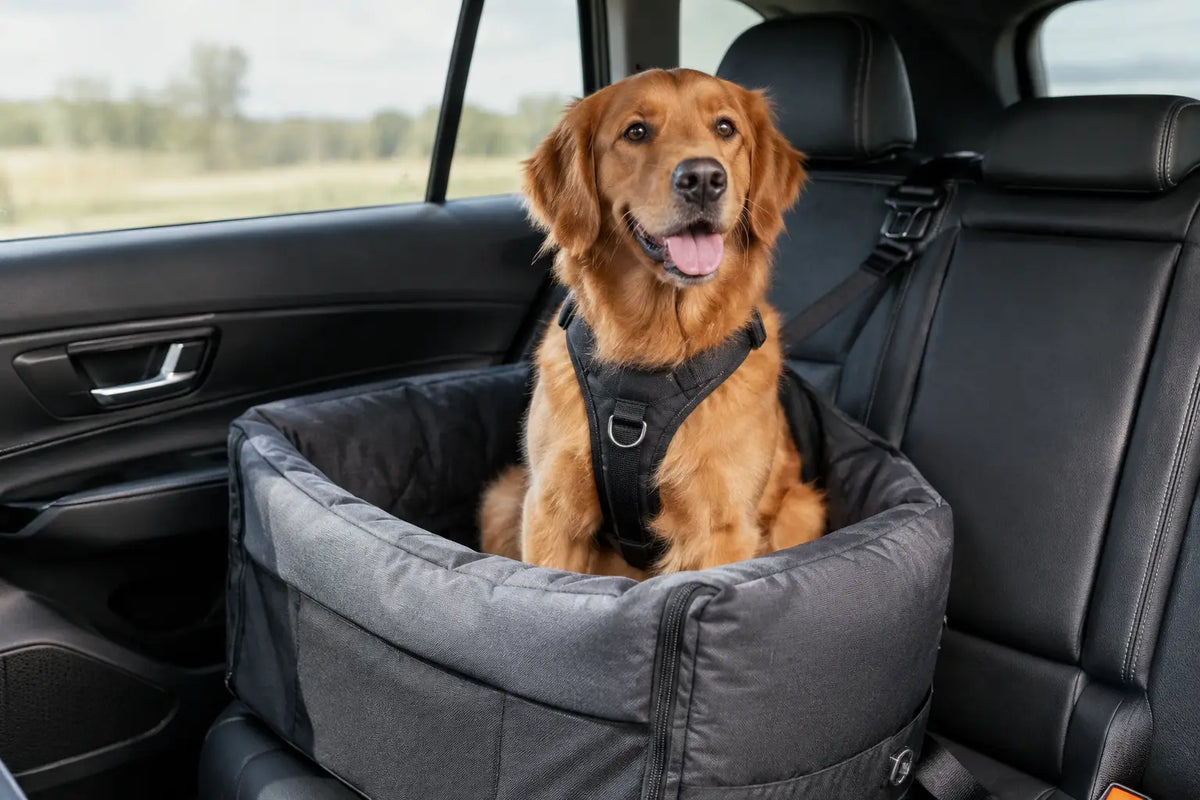
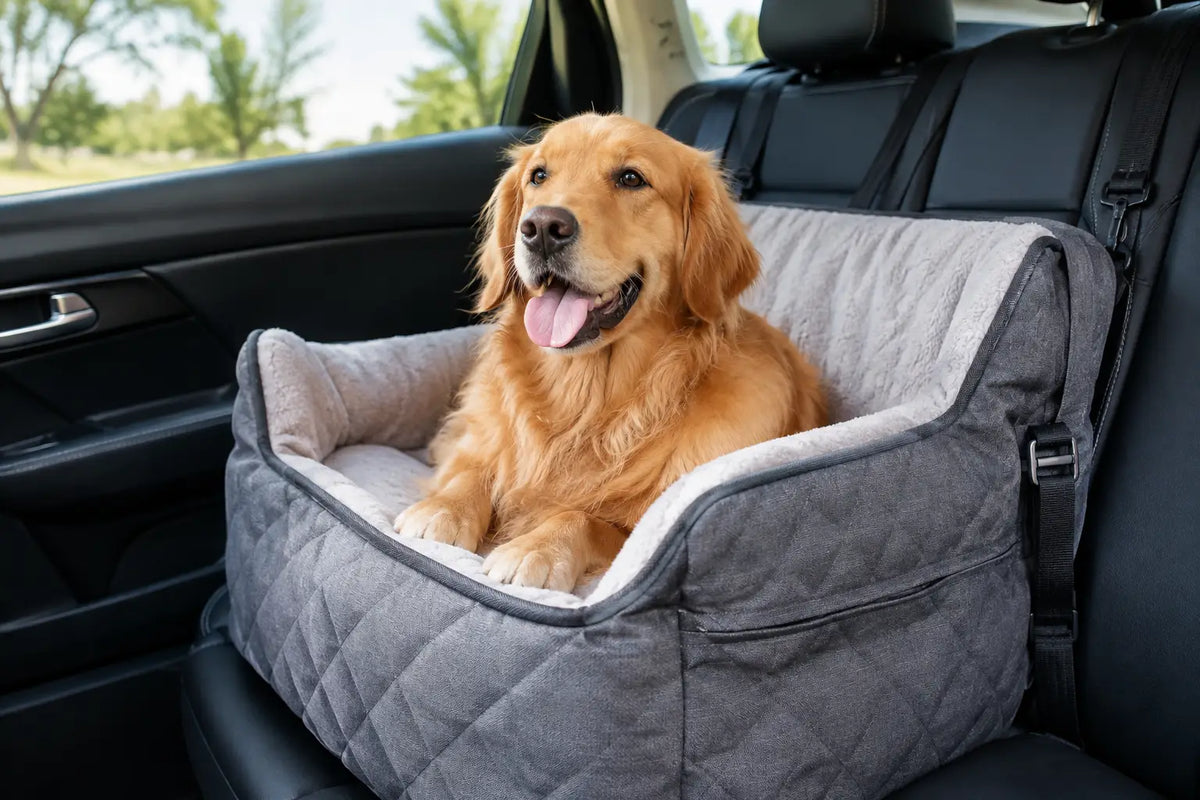
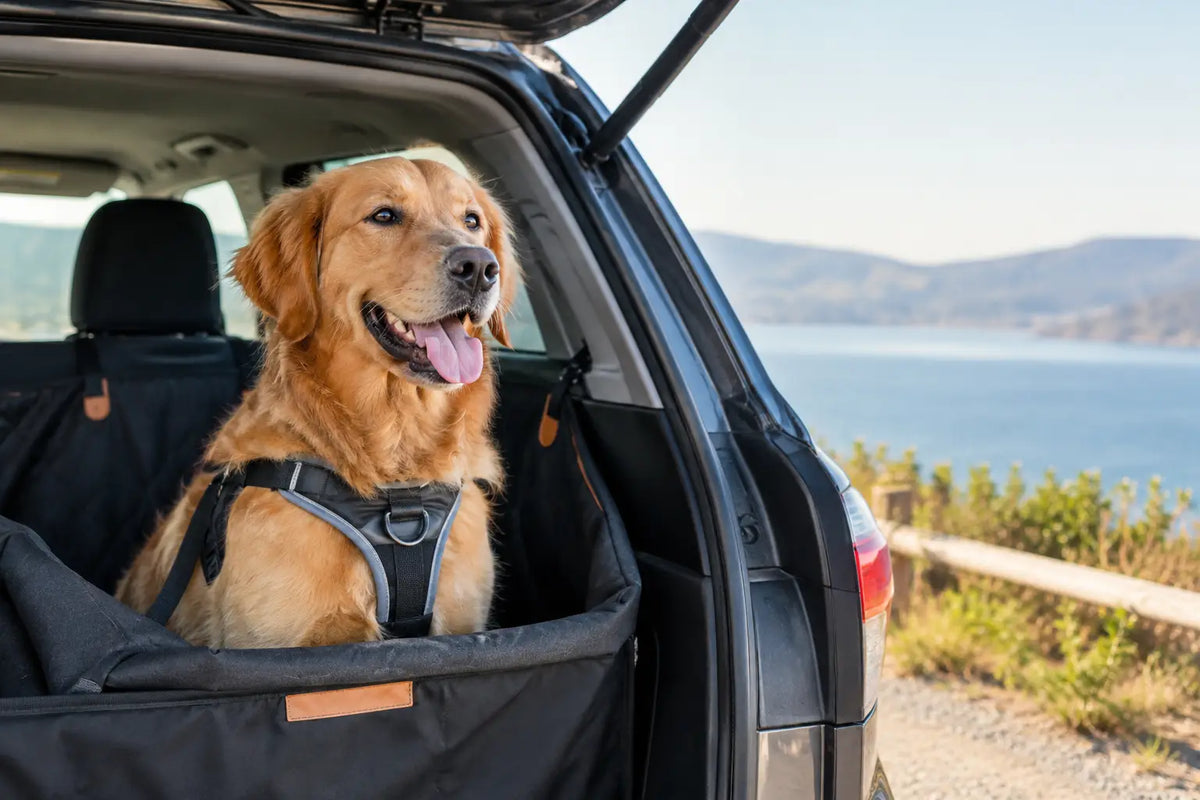
Before treats, toys or a favourite blanket, decide how your dog will travel safely in the vehicle. The Highway Code says animals should be suitably restrained so they cannot distract the driver or injure themselves or anyone else if the vehicle stops suddenly. That can mean a vehicle-compatible crate, a properly fitted travel harness attached to a seat-belt point, or a pet car seat designed for your dog’s size and the seating position.
Not all restraint products offer the same protection. A soft harness may prevent a dog climbing into the front, but it is not automatically designed to manage crash forces. If car safety is your priority, look for a crash-tested crate or car seat, check the stated weight range, and follow the manufacturer’s fitting instructions exactly. A premium restraint is only as protective as its installation.
For a crate, measure both your dog and the usable space in the car. Your dog should be able to stand, turn and lie down naturally, without sliding around in an oversized crate. Consider the boot shape, rear-seat access and ventilation too. Some crates are intended for the boot only, while others have specific vehicle compatibility guidance.
ISOFIX pet car seats can be a strong option for smaller dogs, particularly when they are designed with an internal tether and stated vehicle compatibility. They can also make it easier for a small dog to travel at a comfortable height rather than loose on a passenger seat. Never attach a tether to a collar: use a well-fitted harness to reduce pressure on the neck.
Your pre-departure safety check should cover four things:
- Your chosen crate, seat or harness is suitable for your dog’s current weight and body shape.
- It is fitted to the car exactly as instructed, with no twisted straps, loose anchors or unsecured doors.
- Your dog has had a calm introduction to the setup before a long journey.
- Loose items, including water bottles and bags, are stowed so they cannot become hazards under braking.
Pack for comfort, not just containment
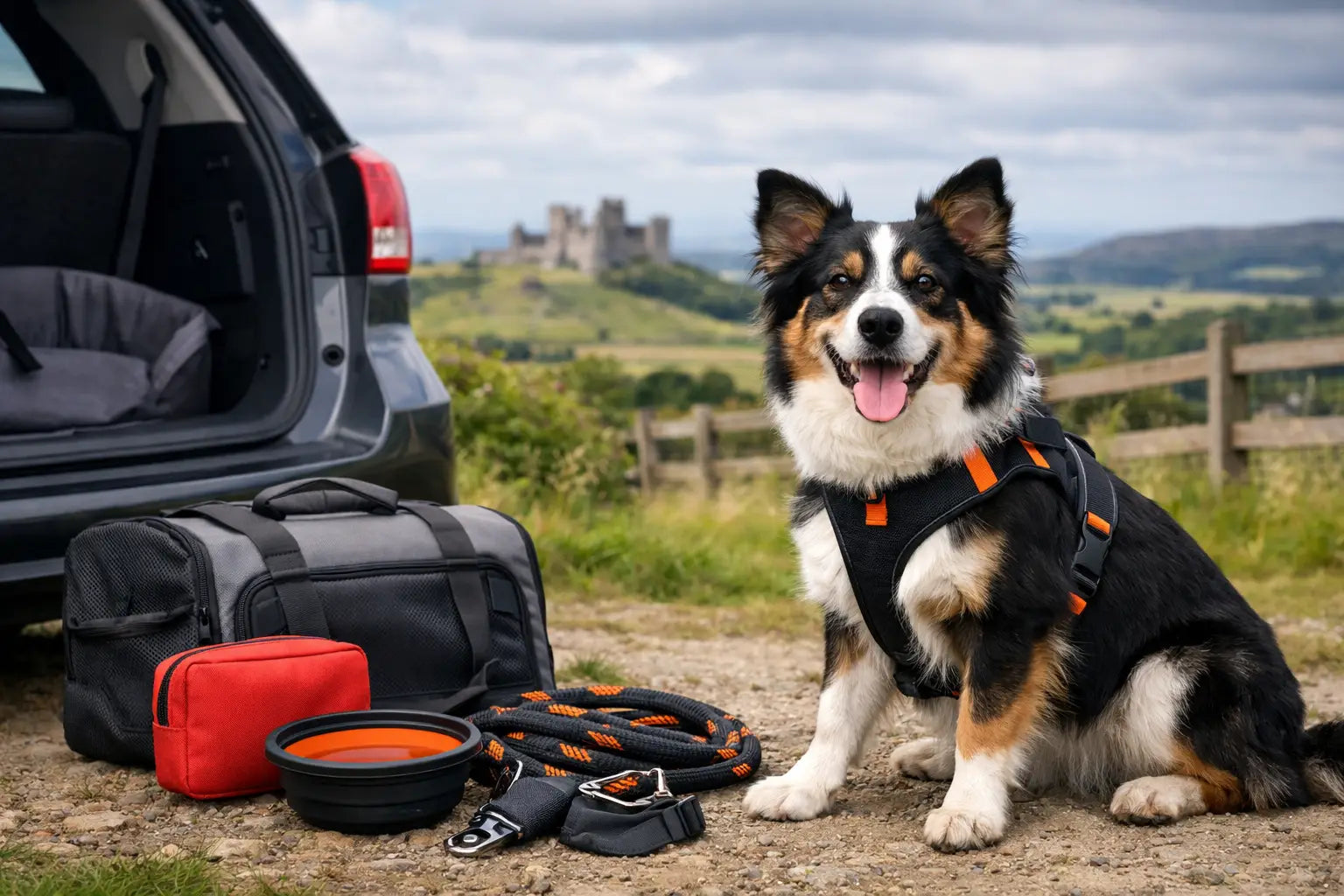
Dogs cope better when the journey still feels recognisably like their day. Pack their usual food for the full trip, plus a little extra in case of delays, alongside a collapsible bowl and fresh water. Sudden changes in food can upset a dog’s stomach, which is the last thing either of you needs on the M5.
Bring a lead and a secure, correctly fitted harness even if your dog normally wears a collar. Service stations, ferry terminals and unfamiliar accommodation are busy, unpredictable places. A harness gives you more control without putting strain through the neck, and a spare lead is sensible if one gets wet, muddy or damaged.
For most day trips, a small comfort kit will do the job: poo bags, dog-safe wipes, a towel, a drying coat or lightweight rain layer, and a favourite chew or calm activity for breaks. Add paw protection if your route includes hot pavements, rough ground, snow or grit. In summer, shade and water matter more than an extra long walk; in winter, a coat may be necessary for small, fine-coated, senior or mobility-limited dogs.
Think carefully about cooling products. Cooling mats and vests can be useful, but they are not a substitute for shade, airflow, drinking water and sensible timing. If your dog is panting heavily, seems distressed, has excessive drool or becomes unsteady, stop somewhere safe and seek veterinary advice if they do not recover promptly.
Medication, first aid and everyday records
If your dog takes medication, pack it in its original packaging and bring enough for the whole trip plus a small contingency supply. Set reminders for doses when your day will look different from normal. For dogs with allergies, pain conditions, travel sickness or a recent operation, ask your vet about journey planning before you leave rather than trying a new remedy on departure day.
A practical canine first-aid pouch is worth keeping in the car. Include sterile dressings, saline, tick-removal equipment, a blanket, disposable gloves and the contact details for your usual vet and an emergency practice near your destination. Avoid giving human painkillers or using medication without veterinary direction.
Make sure your dog’s microchip details are up to date with your current address and telephone number. Dogs over eight weeks old must be microchipped and registered in the UK, and those details are especially valuable if a dog slips a lead in unfamiliar surroundings. An ID tag with your surname and mobile number is a sensible extra layer, provided it does not interfere with safe harness fitting.
Build breaks around your dog, not the sat-nav
A route that looks quick on a map may be tiring for a dog who finds car travel difficult. For longer drives, schedule calm comfort breaks before your dog is desperate to get out. Choose somewhere as quiet as possible, keep the lead on before opening a car door, offer water, and give your dog time to sniff and toilet without rushing.
There is no single timetable that suits every dog. An adult dog accustomed to travelling may cope happily with longer stretches, while a puppy, anxious dog, senior dog or one with bladder or mobility needs may need more frequent stops. Watch the dog in front of you rather than following a rigid rule.
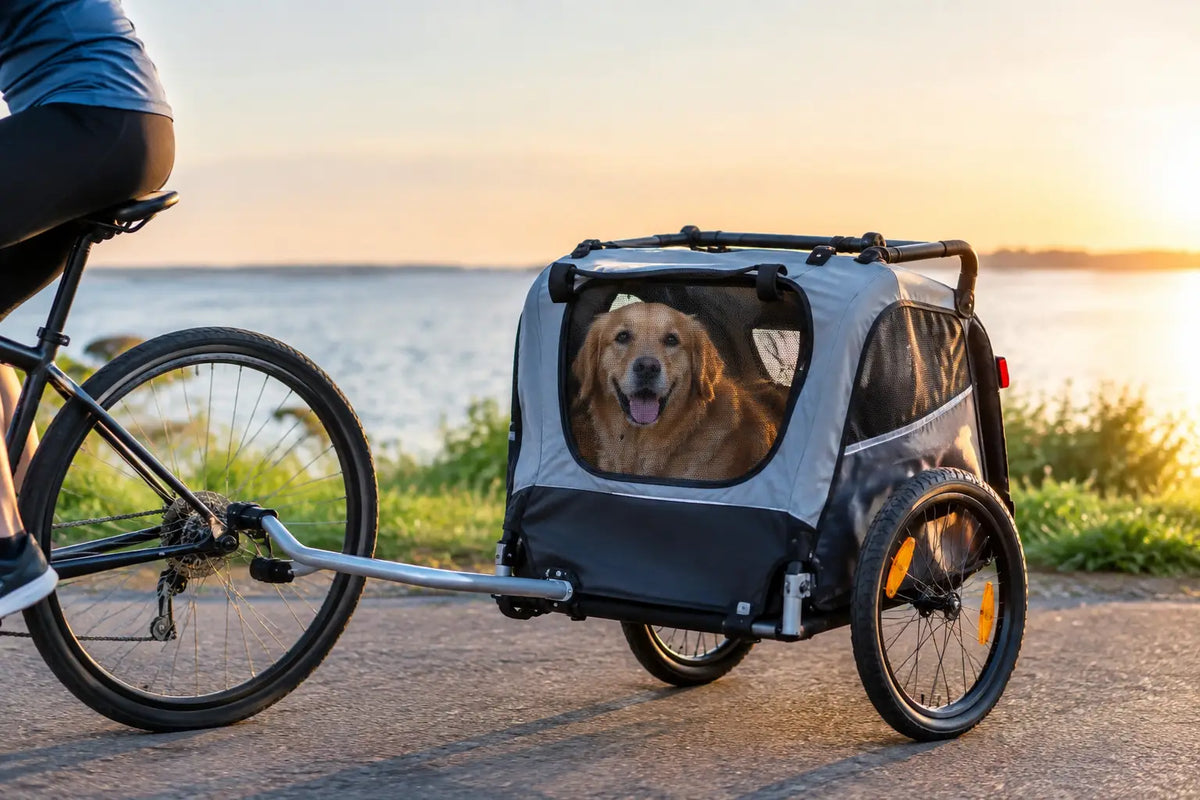
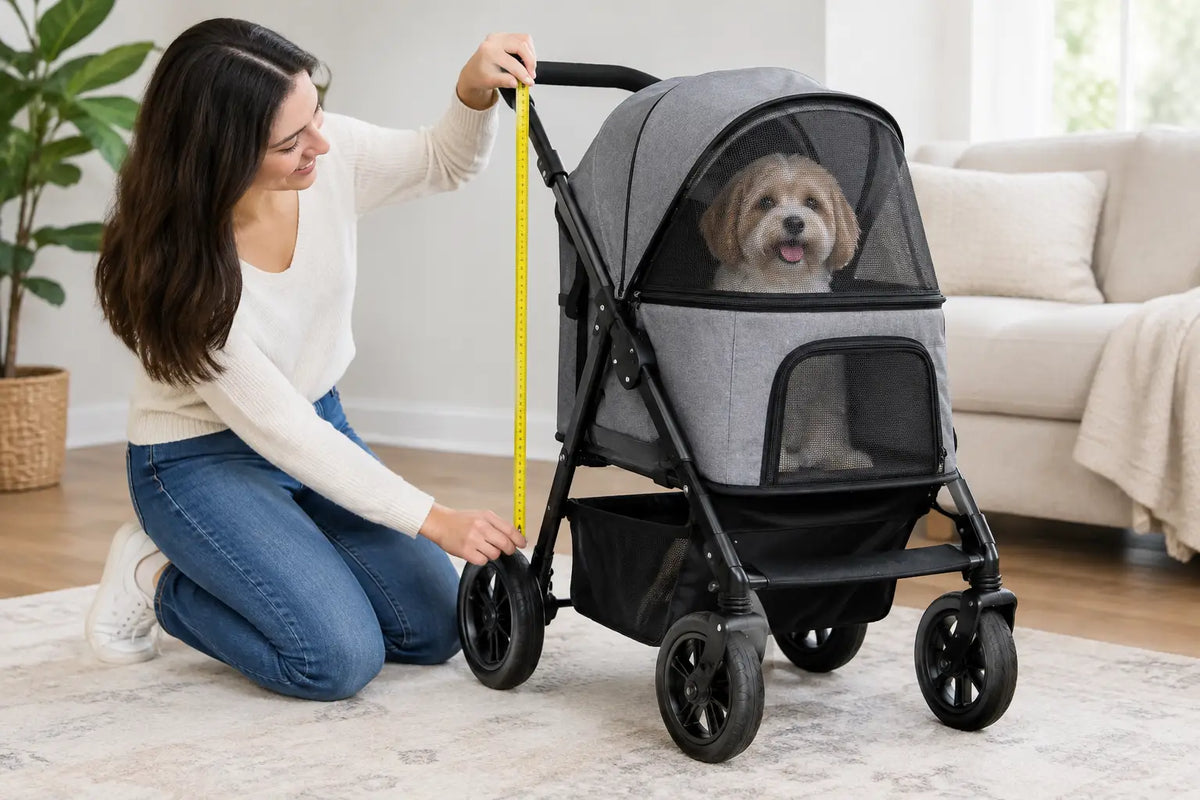
If your dog is recovering from surgery, has arthritis or uses a wheelchair, reduce awkward lifting and jumping. A supportive ramp, rear-support harness or stroller can protect sore joints and conserve energy for the part of the day that actually matters. A dog stroller is not giving up on walks. For many older or disabled dogs, it is what makes the café stop, coastal path or family day out possible again.
Pack their mobility equipment with the same care as a car restraint. Check tyres, straps, clips and adjustment points before leaving. Bring any tools or spare parts recommended for the wheelchair or support system, and allow extra room in the car so it is not crushed beneath luggage.
Planning trains, ferries and overnight stays
For public transport, check the operator’s current pet policy before travel. Rules on leads, carriers, ticketing and where dogs may sit can vary, and service disruption may make an already busy platform harder to navigate. Small dogs often settle best in a secure carrier that gives them a defined, ventilated space; larger dogs need confident lead handling and enough room to lie down without blocking an aisle.
For ferries and holidays abroad, requirements are more specific. Pet travel documents, microchip information, parasite treatment rules, approved routes and carrier arrangements can change, so confirm the current requirements directly with your carrier and the relevant official authorities well before booking. Airlines also set their own limits for carrier dimensions, combined pet-and-carrier weight, breed restrictions and cabin versus hold travel. ‘Airline-compliant’ should always mean compliant with your particular airline and flight, not a general assumption.
At accommodation, create a small settling area as soon as you arrive. Put down the familiar bed or blanket, offer water and take your dog for a short toilet break before unpacking the car. Check the garden fencing, stairways, balconies and any house rules before letting them explore. A portable bed is more than a nice touch: familiar scent can make a strange room feel safer.
At Pets Own Us, we believe your dog deserves a seat on the adventure too. Pack with their individual needs in mind, give them a safe place to rest between moments, and the journey becomes part of the day they get to share with you.