Dog Blankets That Work Hard at Home and Away
A good blanket is rarely just a blanket when your dog is part of every plan. The right dog blankets can turn a chilly boot, unfamiliar holiday cottage, post-operative bed or café stop into a place that feels reassuringly theirs. They also save your sofa, car upholstery and dog bed from a surprising amount of fur, damp and everyday wear.
For a dog who travels often, feels the cold, is recovering from an injury or simply loves a familiar sleeping spot, this is one of the most useful comfort essentials you can own. The key is choosing for the job, not just the colour.
What makes a dog blanket worth bringing along?
Dogs settle through familiar scent, texture and routine. A blanket that lives on their bed and comes with them in the car, stroller or carrier can provide a small but meaningful sense of continuity. This matters to nervous travellers, but it is equally helpful for sociable dogs who need a quiet moment after a busy walk, family visit or day out.
Practicality matters just as much. A well-chosen blanket creates a softer surface in a travel crate, car seat or dog pram, helps reduce draughts and protects interior fabrics from mud and loose hair. For owners of senior dogs, a padded option can make a hard or unfamiliar surface more comfortable without making it difficult for the dog to step onto.
There is a limit, though. A blanket is a comfort layer, not a restraint or crash-protection product. In the car, it should sit alongside an appropriately secured crate, carrier or pet car seat, never replace one. Avoid piling it so high that it affects the fit of a harness, the stability of a carrier, or your dog's ability to lie naturally.
Choosing dog blankets for the way you live
The best choice depends on where your dog rests, how they travel and whether they have specific mobility or temperature needs. One versatile fleece blanket may suit a young, active dog beautifully. A senior dog with stiff joints may be better served by a more substantial, lightly padded layer at home, plus a lighter washable blanket for outings.
For sofas, beds and everyday naps
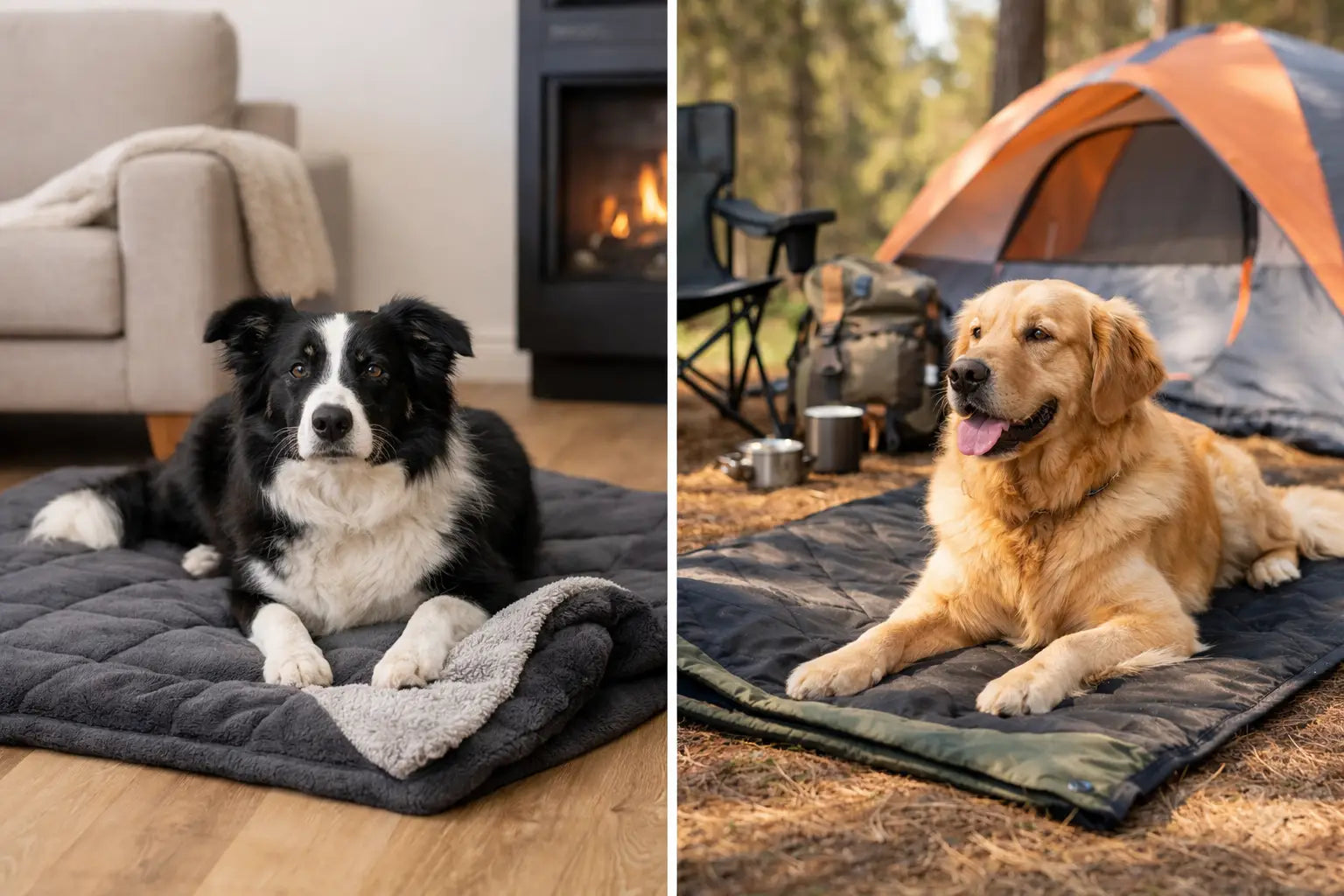
A soft fleece or plush blanket is a natural choice for home use. Look for a fabric that feels warm without being overly heavy, especially if your dog likes to burrow. A generous size lets the blanket cover the sleeping area and gives your dog enough material to nest into, rather than leaving them with a token strip of fabric.
Washability should be high on the list. Darker colours and patterned finishes can be forgiving between washes, but the most important detail is that the blanket can cope with regular laundering without losing its shape or shedding excessively. If your dog is prone to accidents, keep a second blanket ready so their bed never has to be bare while one is in the wash.
For car journeys, crates and carriers
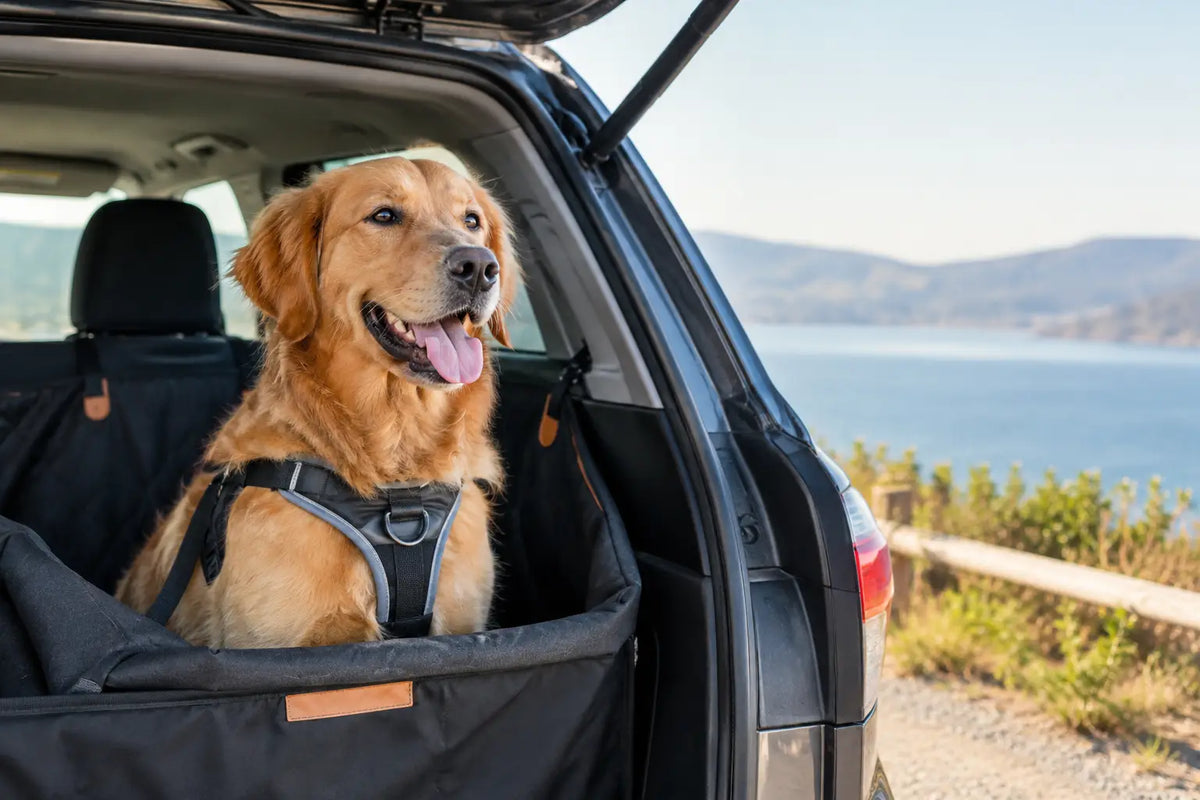
Travel blankets need to be less bulky and more dependable. They should fold compactly, dry reasonably quickly and stay in place when the vehicle is moving. A lightweight fleece is useful for lining a carrier or adding a familiar scent to a crash-tested car crate, while a tougher, water-resistant throw can help protect the boot or rear seats after wet walks.
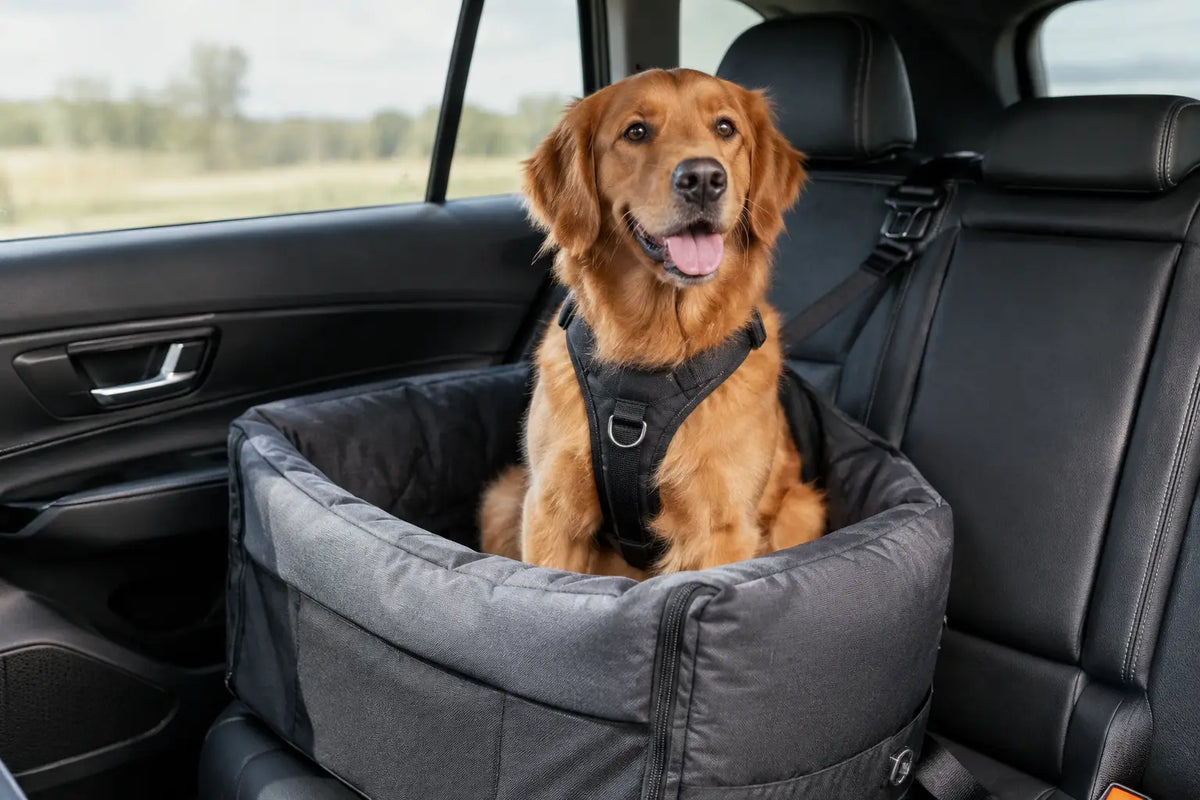
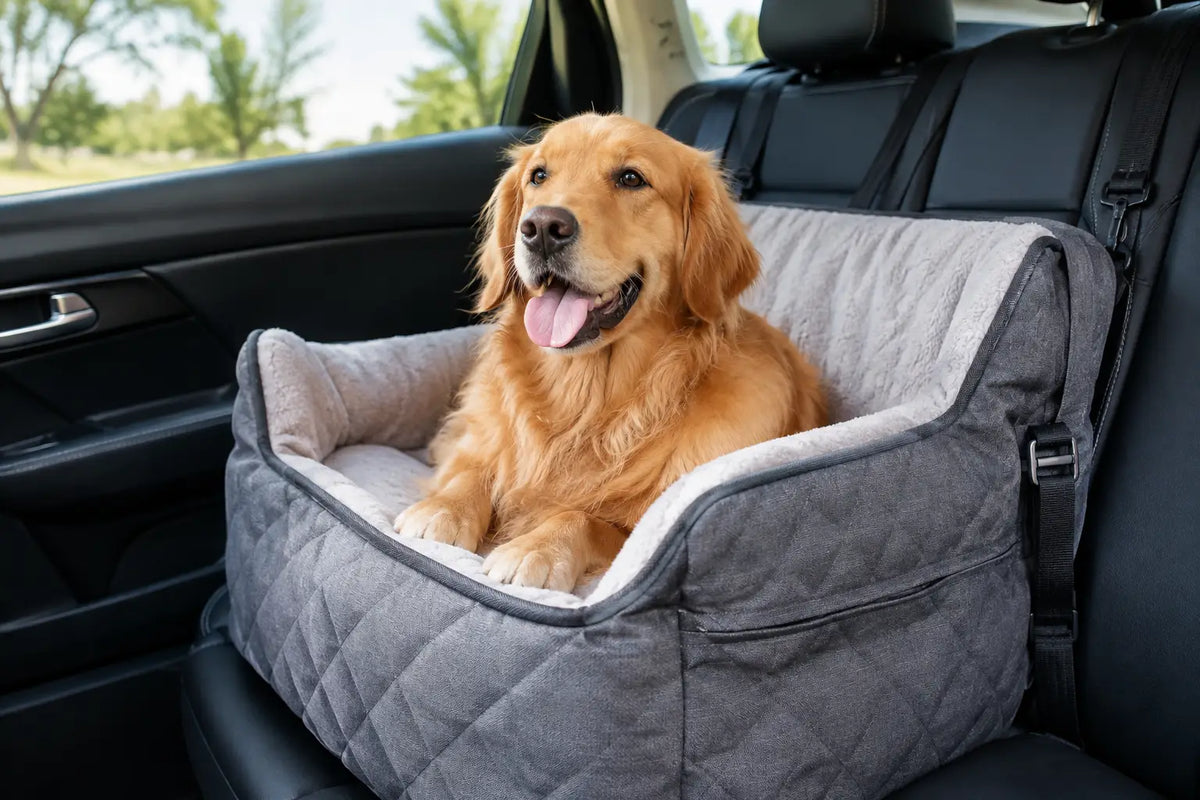
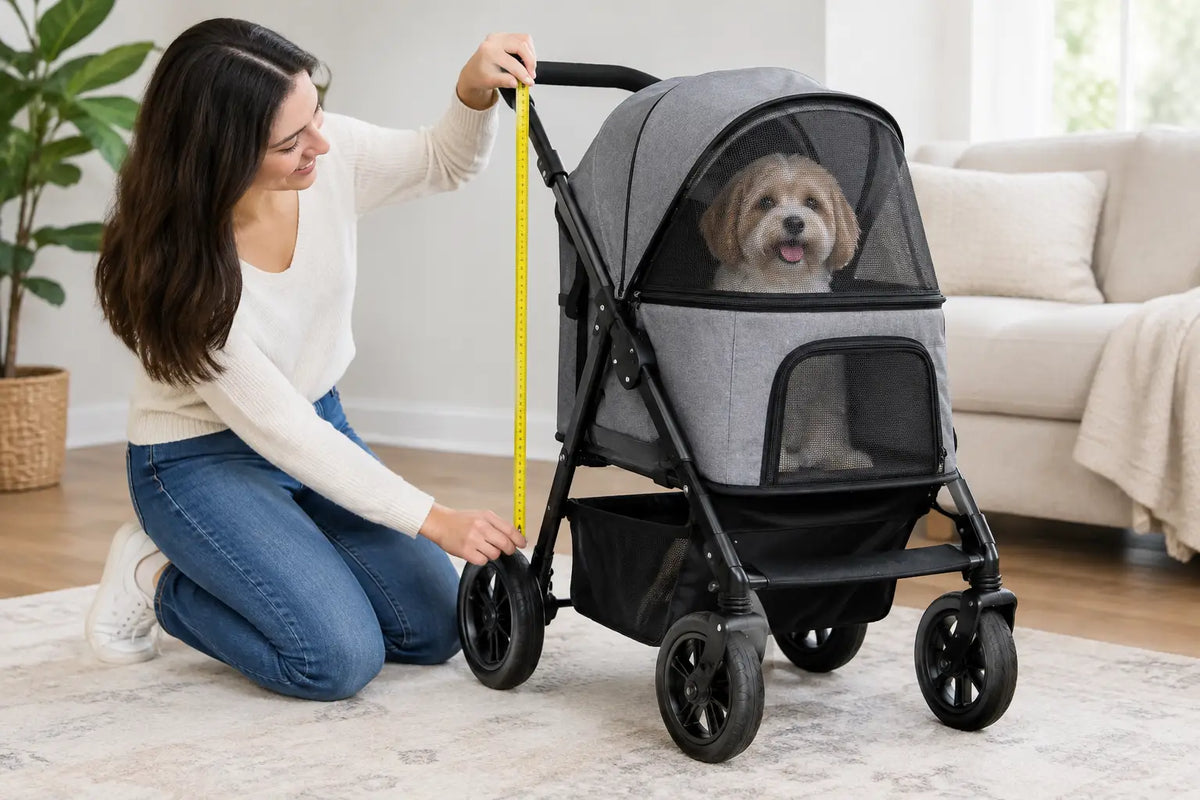
Size is particularly important here. A blanket that hangs outside a carrier may catch in doors or wheels, while one that bunches up inside a small car seat can reduce usable space. Measure the internal sleeping area and choose a blanket that lies flat with room around your dog. Your companion deserves a seat on the adventure too, but they also need safe, uncluttered space to settle.
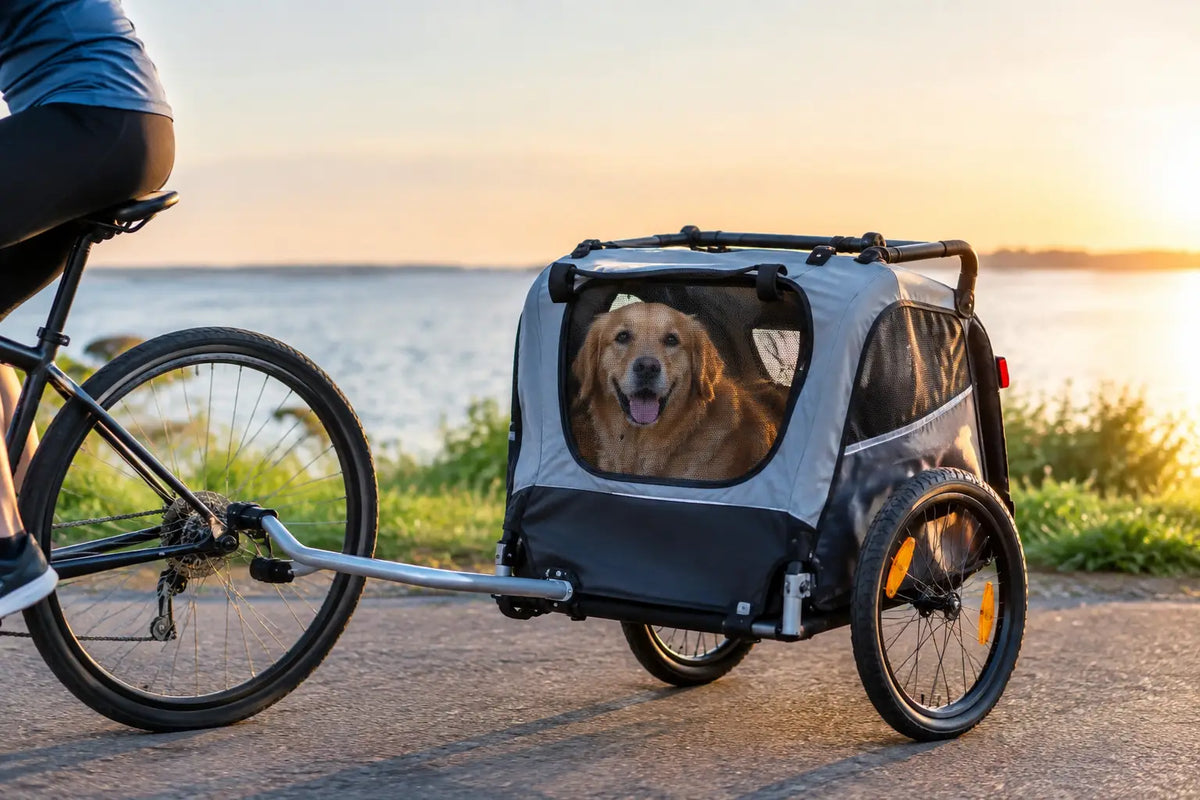
For dogs travelling in an open stroller or bike trailer, consider the weather as well as warmth. A blanket can be welcome during a cool morning, but on a mild day it may quickly become too much. Bring it folded beside your dog rather than wrapped tightly around them, and check their comfort throughout the journey.
For puppies, seniors and dogs in recovery
Puppies often benefit from a blanket that smells of home when they are learning to rest in a crate or travelling for the first time. Choose something easy to wash, as toilet-training mishaps and enthusiastic chewing are both possible. Avoid loose threads, damaged edging or heavily textured fabrics that could be chewed or swallowed.
Older dogs and those managing arthritis, IVDD, injury or post-operative recovery may need extra help staying comfortable. A blanket can soften a supportive orthopaedic bed, add warmth while resting in a stroller and prevent rubbing against a firm carrier base. However, it should not conceal a problem underneath. If your dog is reluctant to settle, has pressure sores, seems unusually hot or is struggling to change position, speak with your vet rather than simply adding more layers.
For dogs with reduced mobility, less is often more. A very thick blanket can make footing unstable when they stand up, particularly on smooth floors or in a crate. Choose a grippy, flat-laying fabric where possible and keep edges tucked away from paws and wheels if your dog uses a wheelchair or rear-support system.
Materials: softness is only one part of the decision
Fleece is popular because it is warm, light and quick to dry. It suits everyday use, travel and layering, although cheaper fleece can attract hair and may lose its finish over time. Cotton feels breathable and can be a good option for warmer homes or dogs that overheat easily, but it tends to hold moisture longer after a damp walk or wash.
Quilted and padded blankets offer more cushioning, making them useful for longer car journeys or dogs who prefer a little extra support. They are usually bulkier to store, so they may not be the best single choice for a small carrier. Water-resistant fabrics are excellent for protecting upholstery, but they can feel less cosy against the skin. A practical approach is to use a water-resistant layer underneath and a soft blanket on top.
Consider shedding too. Long-haired dogs may leave a visible coat behind on smooth fleece, while some textured materials trap hair more deeply. Neither is automatically wrong, but it affects how easily you can shake out the blanket between washes.
Getting the size and warmth right
A blanket should be large enough for your dog to lie on fully, with extra room if they like to curl around an edge. For a home bed, measure the bed and add enough coverage to protect the sides where your dog rests their head or paws. For travel, measure the inside of the crate, carrier, stroller cabin or car seat instead.
Do not assume a larger blanket is always kinder. In a compact carrier, excess fabric can bunch, retain heat and reduce ventilation. Flat-faced breeds, very young puppies, senior dogs and dogs with thick coats need particular care in warm cars or centrally heated spaces. Signs of overheating include persistent panting at rest, restlessness, drooling and seeking cooler flooring.
As a simple rule, your dog should be able to move off the blanket if they become warm. In cold weather, layer sensibly rather than using one enormous, heavy throw. This gives you more control when the temperature changes between the house, car and outdoors.
Keeping blankets clean without losing their comfort
Wash a frequently used blanket before odour, fur and damp settle into the fibres. Check the care label first, then shake it outdoors or use a lint roller to remove as much hair as possible before washing. A pet-safe, lightly fragranced or fragrance-free detergent is often the kinder choice for dogs with sensitive skin.
Skip fabric conditioner if it leaves a coating that reduces absorbency or irritates your dog's skin. Make sure the blanket is completely dry before folding it into a carrier or placing it on a bed, as trapped moisture can create a musty smell and leave your dog lying on a cold surface.
It helps to rotate two or three blankets: one at home, one for the car and one clean spare. That small routine makes spontaneous trips easier and means your dog's familiar comfort is always ready to come along.
A small comfort that helps dogs feel included
The best dog blanket earns its place because it makes ordinary moments easier: a calmer car ride, a cosier recovery nap, a cleaner sofa or a familiar patch of home on holiday. Choose one that suits your dog's body, routine and environment, keep it clean, and let it become part of the kit that says they are not being left behind.