Crash Crate Review for Safer Dog Car Travel
A crash crate review should start with one uncomfortable truth: a normal dog crate is not automatically a safe car crate. It may keep your dog contained, stop muddy paws reaching the front seats and make journeys feel more settled, but containment and collision protection are different jobs. For dogs who come everywhere with the family, that distinction matters.
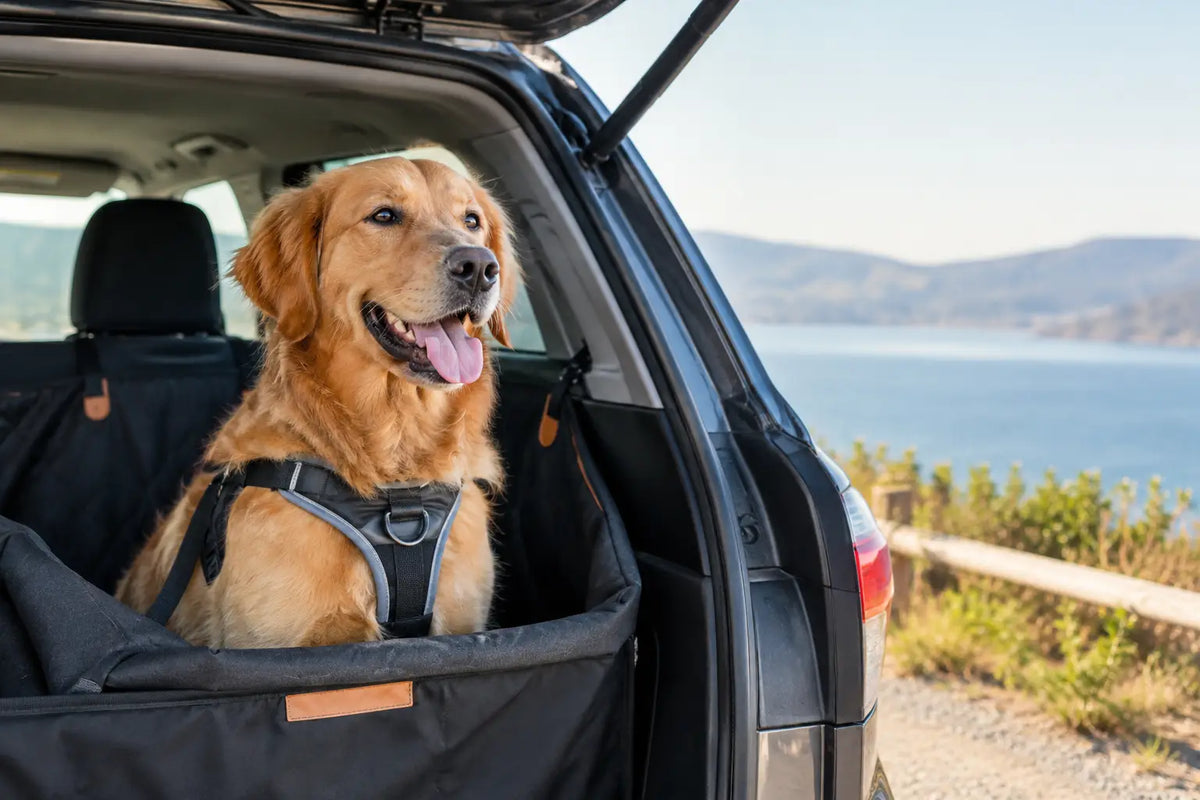
A properly selected crash-tested crate can be an excellent way to travel with a dog, particularly in an estate car, SUV or larger vehicle with a usable boot. Yet the best crate is never simply the strongest-looking one. It has to suit your dog’s body, your vehicle’s available space, the way it is secured and the journeys you actually make.
What a crash crate is designed to do
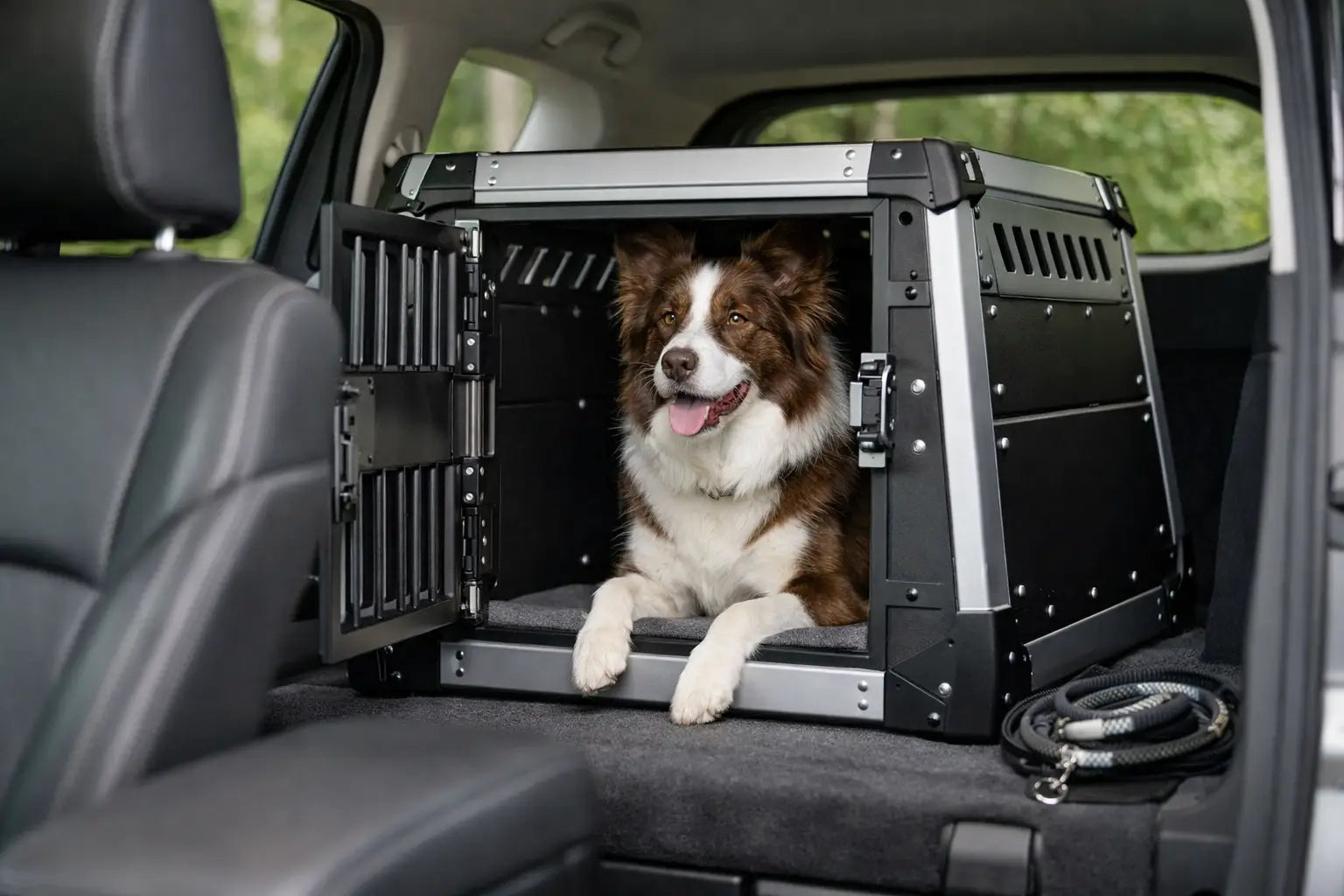
A crash crate is built to help protect its canine passenger and reduce loose movement in a collision. Depending on the product, its design may include reinforced panels, specific door construction, controlled ventilation openings and dedicated fixing points. The important part is not the marketing language on the box. It is whether the crate has been tested, how it was tested and whether your planned installation follows the manufacturer’s instructions.
Crash testing generally assesses how a restraint performs under a defined impact scenario. That is valuable evidence, but it is not a guarantee that every dog, car and accident will produce the same outcome. Test methods, crash direction, dummy size, crate size, anchor points and vehicle type can all affect what the result means in practice.
For this reason, look for clear technical information rather than a vague claim that a crate is “safe” or “heavy-duty”. A premium travel solution should explain the relevant test standard or testing process, the recommended dog weight range, where it can be fitted and which straps or vehicle anchors are required.
Crash crate review: the details worth checking
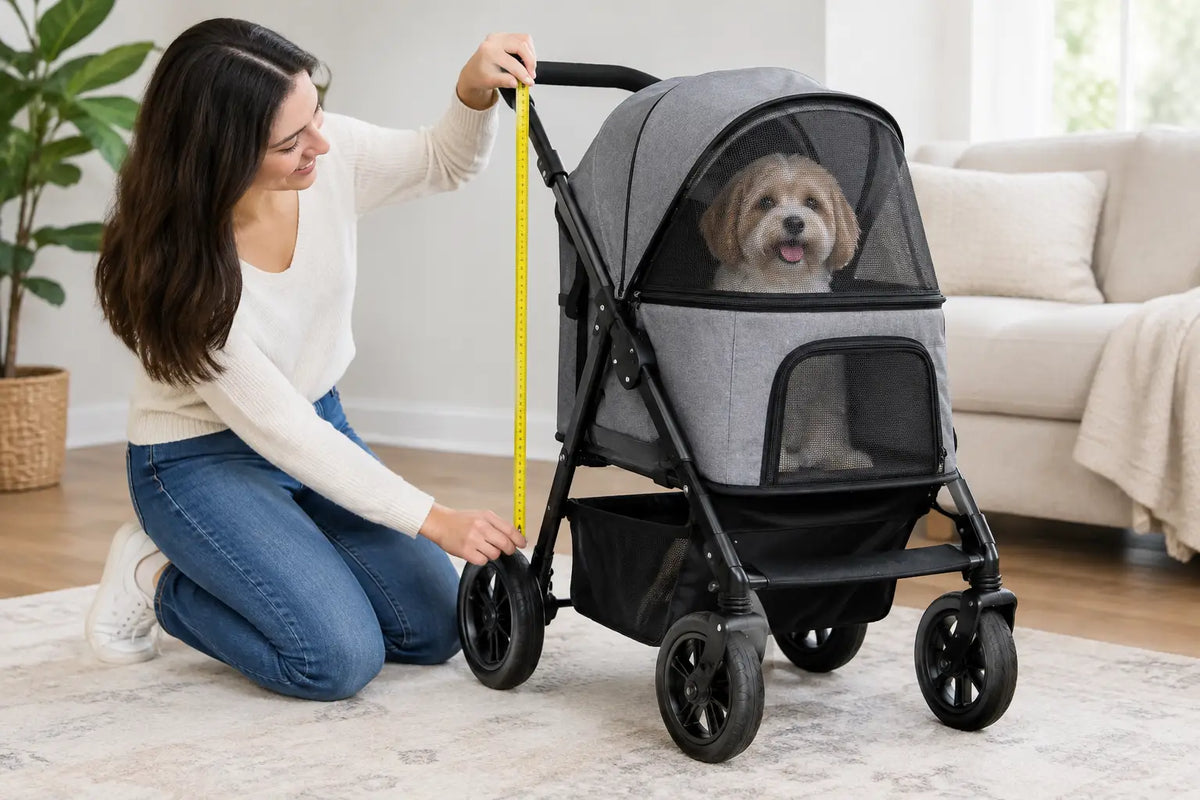
The first question is whether the crate fits your car properly. Measure the boot opening as well as the floor space, height under the parcel shelf and depth with the rear seats in their usual position. A crate that fits on paper can still be impossible to load through a narrow tailgate or sit insecurely against a sloping rear seat.
Next, check the installation method. Some crates are intended to be secured to vehicle tie-down points, while others use straps in a particular configuration. Never improvise with bungee cords, luggage straps of unknown rating or a setup that leaves the crate able to slide. The crate, the securing system and the attachment points work as one safety system.
Your dog’s fit is equally important. They need enough room to stand naturally, turn around and lie down comfortably, without having so much spare room that they can be thrown across the crate. For a tall, long-backed or broad-chested dog, internal height and usable floor length matter more than a broad breed label.
It is also worth thinking about the entrance. A dog recovering from surgery, managing IVDD, arthritis or reduced rear-leg strength may find a high boot lip or narrow crate doorway difficult. A crash-tested crate may be the right safety choice, but a ramp, non-slip surface or a different travel arrangement could be essential to make it kind and practical.
The benefits that make a crate worthwhile
For many dogs, a well-fitted car crate creates a reassuring den-like space. It can limit visual stimulation, prevent pacing and give them a consistent place to settle. That can be especially helpful for excitable dogs, dogs who become anxious in cars and households travelling with more than one pet.
A crate also provides clear separation from passengers and luggage. This is useful when travelling with children, carrying holiday bags or bringing wet walking gear home. In a sudden stop, an unrestrained dog can be injured and become a serious hazard to everyone else in the vehicle.
There is a practical benefit after arrival too. A crate can provide a familiar resting place at a hotel, campsite or family home, provided it is introduced positively and is never used as punishment. Your dog deserves a seat on the adventure too, but they also deserve a space where they can exhale when the adventure gets busy.
Where crash crates are not the automatic answer
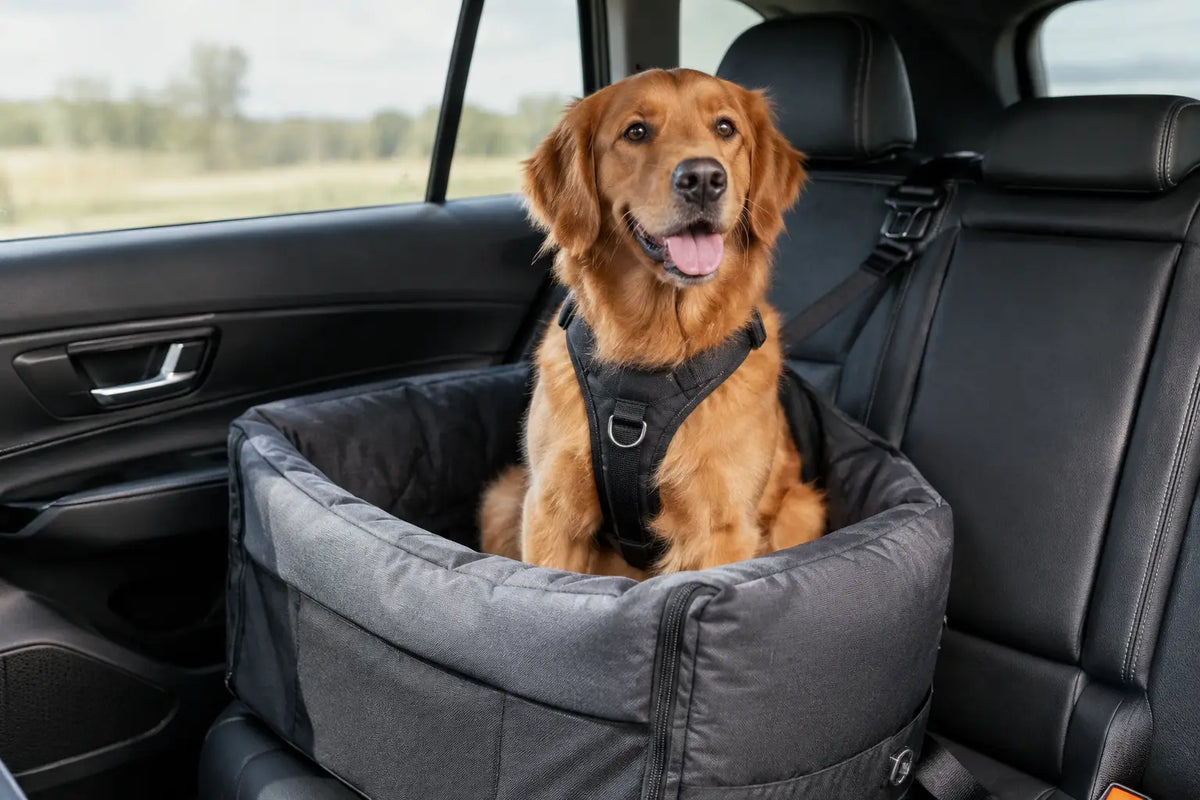
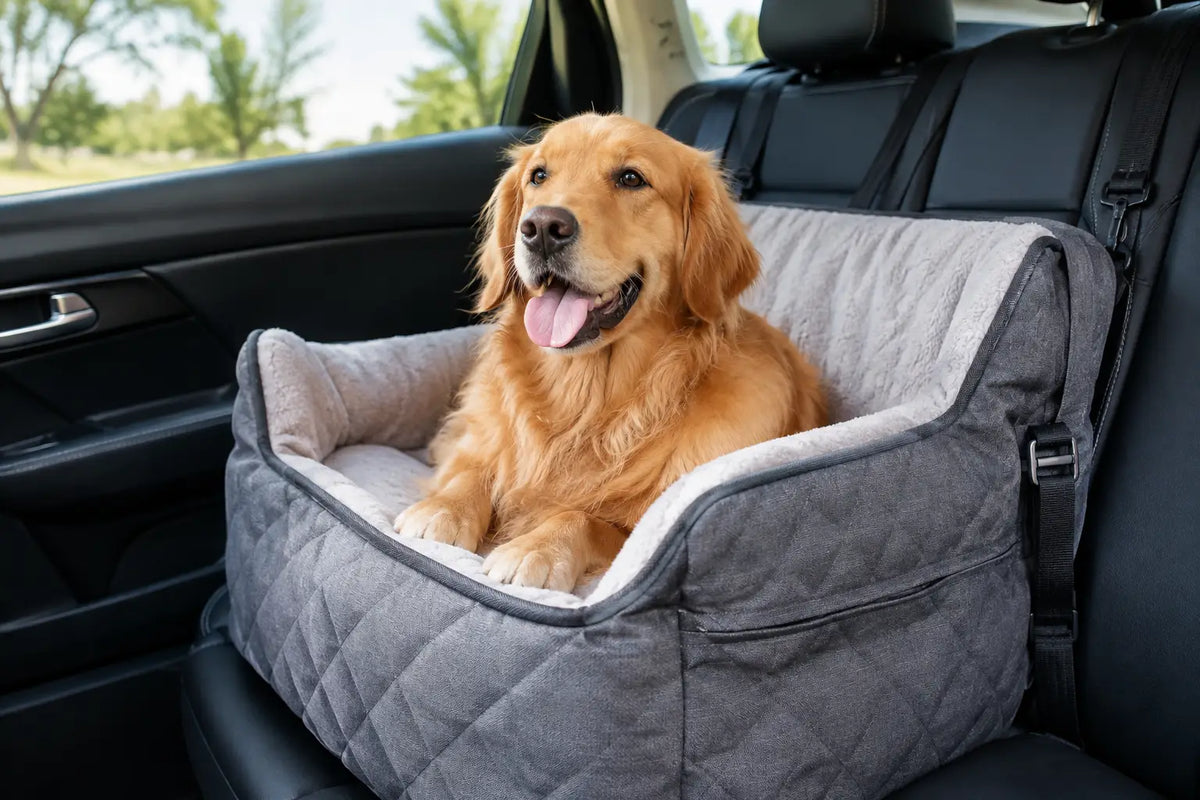
A crate is not necessarily the best option for every dog or every vehicle. Small cars may not have a boot large enough for a correctly sized crate, especially if the rear seats need to remain in use. In that situation, an appropriate crash-tested harness or a vehicle-compatible pet car seat may be a more realistic option, depending on the dog’s size and the manufacturer guidance.
Very young puppies may outgrow a crate quickly, while giant breeds can need more room than a typical vehicle can safely accommodate. Owners of dogs with significant mobility challenges should also consider whether lifting into the boot is safe for both person and pet. A lower-entry vehicle, ramp, supportive harness or properly matched car seat can sometimes be the more dignified solution.
Heat management deserves attention as well. A boot can become warm quickly, particularly in summer traffic. Good ventilation, shade, fresh water for breaks and never leaving a dog unattended in a parked car are basic non-negotiables, whatever restraint you choose.
How to judge real-world quality
When comparing premium crates, do not be swayed by looks alone. Metal construction can feel reassuring, but gauge, join quality, door latches, corrosion resistance and the design of the fixing points all count. A crate should feel solid without presenting sharp edges or awkward catches that make daily use stressful.
Pay attention to the removable base or bedding area. It needs to be stable, easy to clean and non-slip under paws. For older dogs, a thin bare tray may be uncomfortable on longer drives, so use bedding that does not interfere with the door, ventilation or the crate’s prescribed fit.
Daily handling is a genuine part of safety. If a crate is too heavy to lift safely, difficult to secure or so awkward that you avoid using it for short trips, it may not be right for your household. The safest equipment is equipment you can install correctly every time.
At Pets Own Us, we believe technical protection and everyday comfort belong together. The right travel setup should help your dog feel included in family life, whether that means the school run, a coastal walk or a longer holiday drive.
Set up the crate before the first journey
Let your dog meet the crate at home first. Place familiar bedding inside, leave the door open and reward calm curiosity. Short, positive sessions are far better than shutting the door and expecting a nervous dog to cope with a long drive.
Once the crate is installed, check that it cannot shift, rattle or tip. Confirm the door is fully latched, remove loose items from around it and make sure no luggage can fall against the crate. Take a brief drive, then inspect the straps and attachment points again before attempting a motorway journey.
A crash crate is a serious investment, and it should be treated as part of your dog’s travel routine rather than an accessory. Choose one based on verified testing, precise vehicle compatibility and your dog’s comfort. That extra care turns car travel from a compromise into another safe way to take them with you.