Airline Pet Carrier Guide for Calm Flights
The carrier that looks perfect in your hallway can be refused at the check-in desk. That is why an airline pet carrier guide should begin with your specific airline, route and pet - not with a carrier’s label. Pets are family, and a flight should protect their comfort and dignity as carefully as it meets the rules.
Flying is not the right choice for every animal. A very anxious pet, a dog with breathing difficulties, a frail senior or an animal recovering from surgery may need a different travel plan. But when flying is appropriate, the right carrier gives your dog or cat a familiar, secure little space while helping you meet the airline’s practical requirements.
Start with the airline, not the carrier
There is no single carrier that is approved by every airline in every situation. Airlines set their own limits for in-cabin pets, checked pets and cargo transport, and these rules can change by aircraft, destination and season. Some airlines do not carry pets in the cabin at all, while assistance dogs follow separate arrangements.
Before buying anything, confirm whether your pet can travel on your chosen flight, whether they will be in the cabin or another part of the aircraft, and whether the airline accepts your species and breed. Brachycephalic, or flat-faced, dogs and cats can face restrictions because their airways can be more vulnerable to stress and temperature changes. Your vet can advise on whether travel is sensible for your individual pet.
Ask for the carrier dimensions, maximum combined pet-and-carrier weight, ventilation requirements and whether a soft-sided or rigid model is required. Do not rely on an old forum post or a general ‘airline compliant’ claim. A well-designed carrier can be airline-compliant in principle but still exceed the allowance on a particular route.
Airline pet carrier guide: cabin or hold?
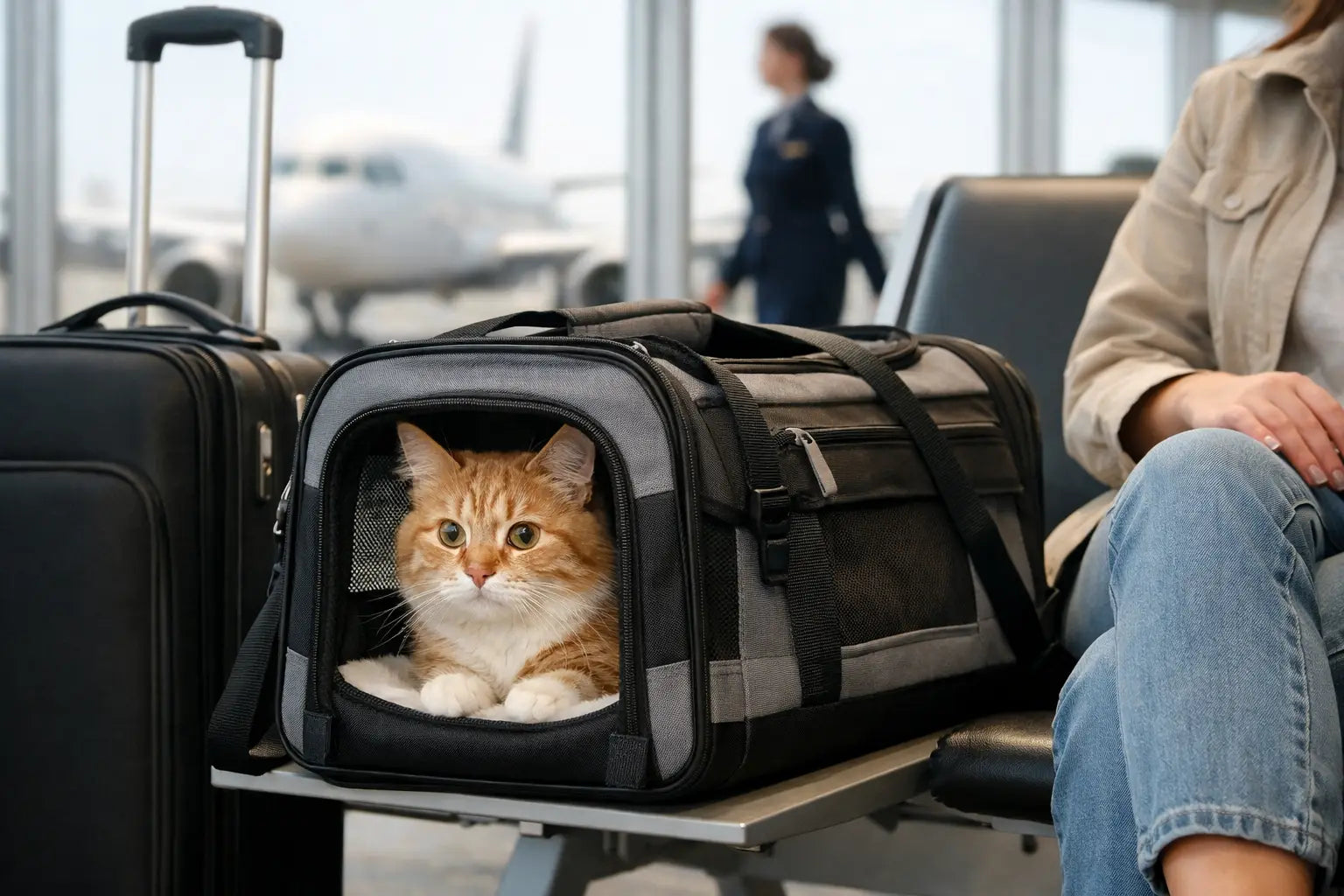
For eligible small dogs and cats, travelling in the cabin is often the gentler option. Your pet stays with you, usually in a carrier placed beneath the seat in front. The trade-off is space: under-seat allowances are low and narrow, so the carrier must be compact enough to fit while still allowing your pet to lie down naturally and turn around.
Soft-sided carriers are commonly preferred for cabin travel because their flexible edges can accommodate the shape of the space under the seat. They should still hold their structure well enough not to sag onto your pet, with secure zips, reliable mesh ventilation and a stable base. A shoulder strap and luggage sleeve can make airport movement easier, but neither replaces keeping the carrier close and level.
Pets travelling outside the cabin usually need a rigid, purpose-built travel crate. These crates need strong construction, secure fastenings, ample airflow and a water container that can be filled from outside. The rules tend to be more exacting, and larger dogs may need arrangements through an approved pet transport service rather than a standard passenger booking.
Neither option is automatically better. Cabin travel keeps you near your pet but can feel confined and busy. A correctly specified crate offers more room for a larger animal but means separation. Choose the safest permitted option for your pet’s size, temperament and welfare, rather than trying to make a favourite carrier fit a job it was not designed for.
Measure your pet properly
Weight matters, but measurements are just as important. A carrier must not merely contain your pet. They should be able to stand without crouching, turn around and rest in a natural position. For a cabin carrier, the airline’s external dimensions remain the hard limit, which can mean there is no suitable in-cabin option for a taller small dog.
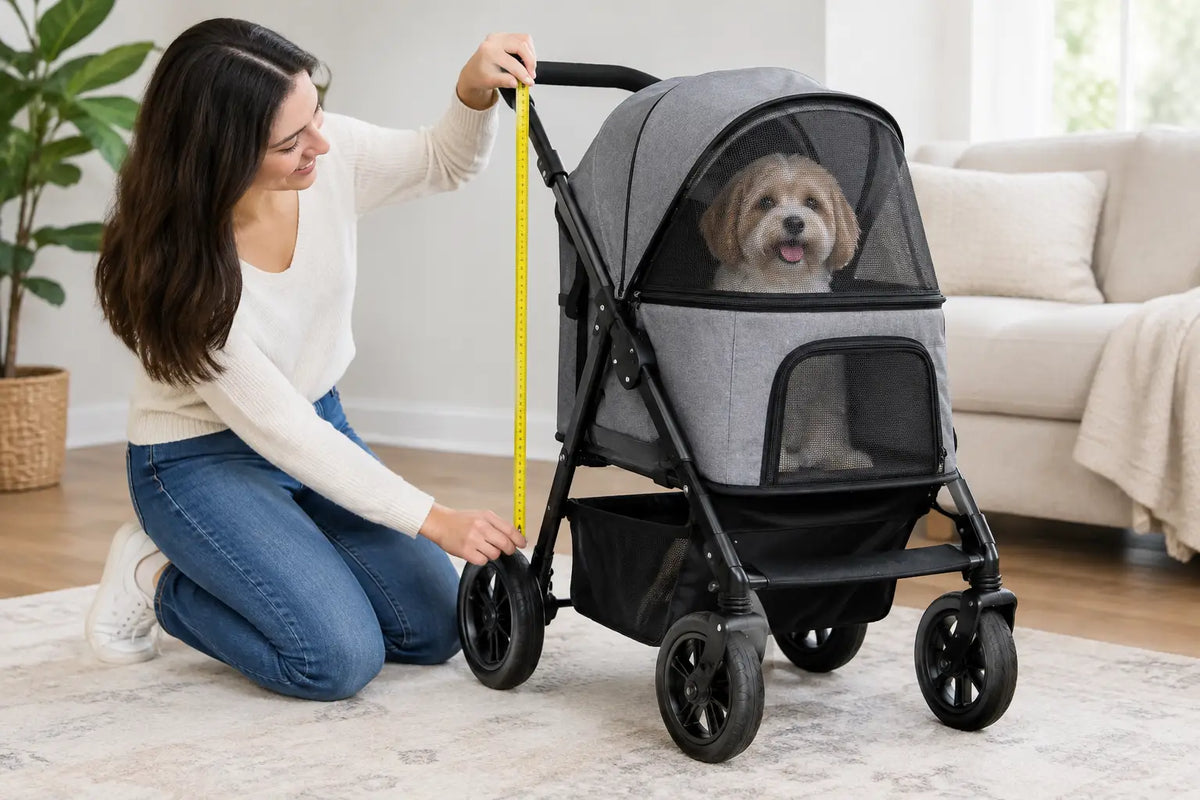
Measure your pet when relaxed and standing on a level surface. Record their length from the tip of the nose to the base of the tail, their height from floor to the top of the head or ear tip, and their width at the broadest point. Compare these with the carrier’s internal dimensions as well as the airline’s maximum external dimensions.
Pay attention to the carrier’s own weight. A premium carrier may have a reinforced frame, padded base and useful storage, but those features count towards the combined weight limit. For a pet close to the airline allowance, a lighter model can be the sensible choice, provided it remains stable and secure.
A carrier should also suit the journey before and after the flight. Consider how far you will walk through the terminal, how it sits in a taxi or car, and whether your pet will need a comfort break after landing. A secure harness may be useful when transferring a dog, but it should never be attached in a way that could snag inside the carrier.
Look for welfare-led construction
Good materials do more than look smart. Mesh panels should provide meaningful ventilation on more than one side while being durable enough to resist claws. Zips need to close smoothly and be difficult for a clever pet to nudge open. A firm, removable base helps prevent a carrier folding or dipping when lifted.
Inside, choose an absorbent, washable liner rather than a bulky bed that steals valuable space. A familiar blanket or a small item carrying home scent can be reassuring, as long as it does not block airflow. For young, elderly or mobility-limited pets, cushioning matters, but so does easy, low-stress entry. A wide opening can make all the difference for a dog with arthritis or a cat who dislikes being lowered into a top-loading carrier.
Do not use a carrier with a damaged zip, cracked rigid shell, loose fastener or worn mesh. Airport handling puts more strain on equipment than the short walk to the vet. This is one of those occasions when a purpose-built, technically specified carrier is worth the investment.
Help your pet practise before departure
The best carrier in the world will not feel safe if it appears for the first time on travel day. Leave it open at home for several days or weeks, with familiar bedding and occasional treats inside. Let your pet choose to step in and out. Feeding a few meals near, then inside, the carrier can build a positive association without pressure.
Once they are comfortable, close the door or zip briefly while you stay nearby, then gradually increase the time. Practise lifting the carrier and taking a short, calm car journey. Keep sessions gentle. Forcing a frightened pet to ‘get used to it’ can make the carrier itself a source of worry.
Avoid sedating your pet unless a vet has specifically prescribed and advised it for the journey. Sedation can affect balance, breathing and temperature regulation at altitude, and many airlines discourage it. Your vet may instead suggest practical ways to manage travel stress based on your pet’s health and history.
Prepare for a smoother airport day
Check your airline’s pet check-in time, paperwork requirements and rules for security screening well before departure. International travel may involve vaccinations, health certificates, microchip records and destination-specific entry conditions. These requirements are separate from carrier suitability, and leaving them until the last week is a risky way to start a holiday.
On the day, offer water and give your pet a sensible opportunity to toilet before entering the terminal. Avoid an unusually large meal immediately before flying unless your vet advises otherwise. Pack a small, accessible kit with spare absorbent liners, waste bags, a collapsible bowl, a little water and any essential medication in its original packaging.
At security, you may be asked to remove your pet from the carrier while the carrier goes through screening. Use a secure lead and harness for dogs, and discuss a safe handling plan with staff for cats or nervous animals. A carrier with a quick, controlled opening is much easier to manage than one that leaves you wrestling with awkward clips in a crowded queue.
When flying is not the kindest fit
A carrier cannot solve every travel challenge. If your pet has a serious heart, airway or mobility condition, is highly reactive to unfamiliar environments, or would be travelling in extreme temperatures, speak to your vet and consider alternatives. For some families, travelling by car, train where permitted, or arranging trusted care at home is the kinder decision.
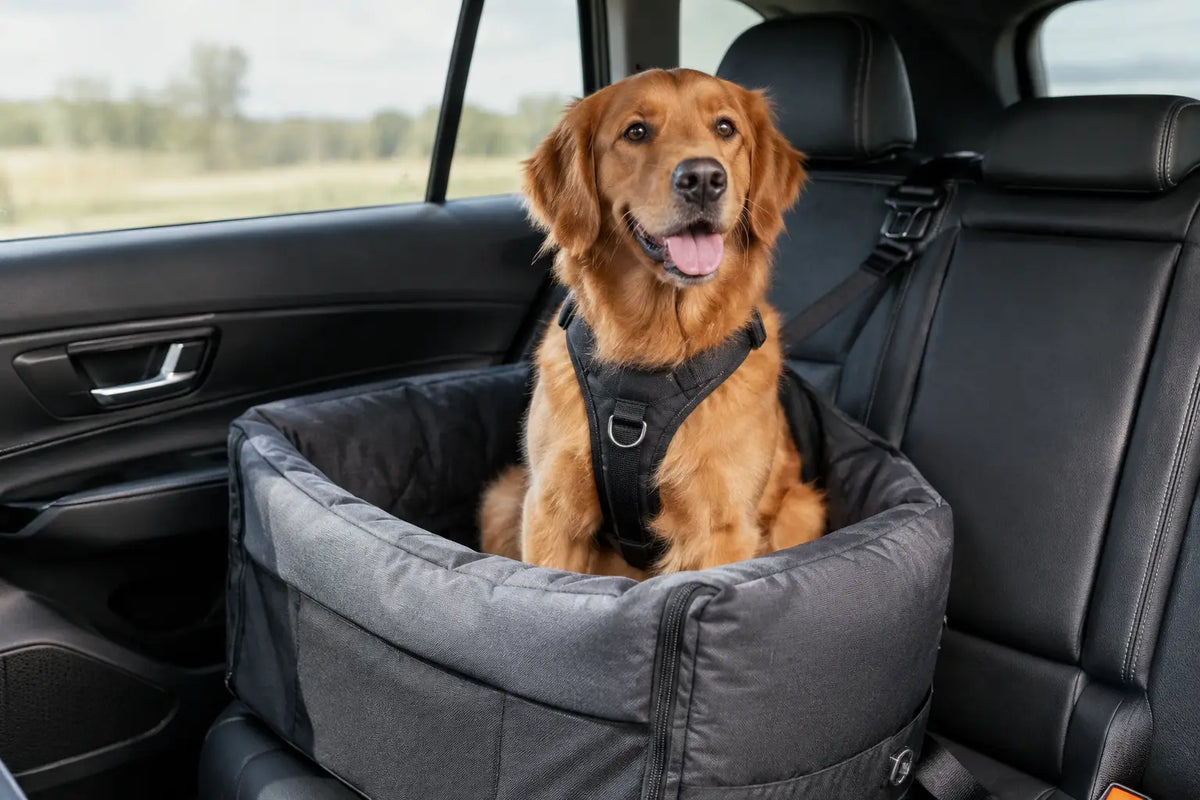
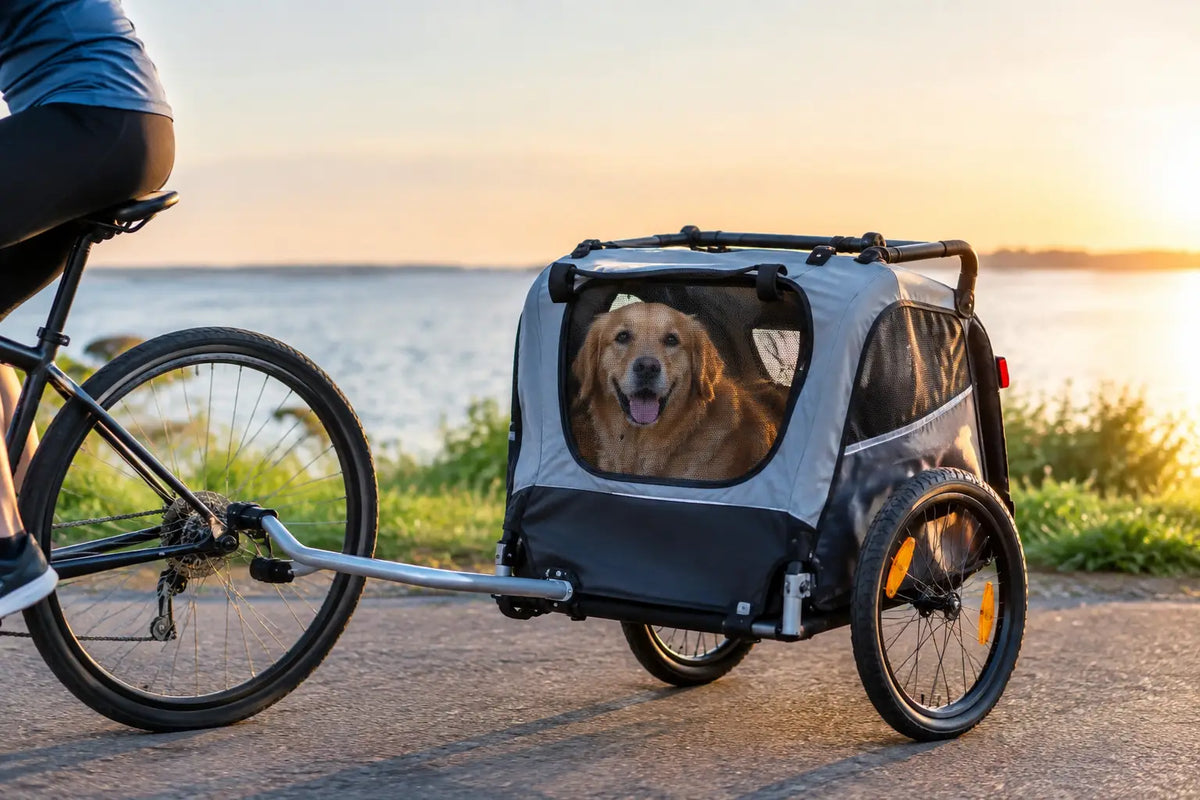
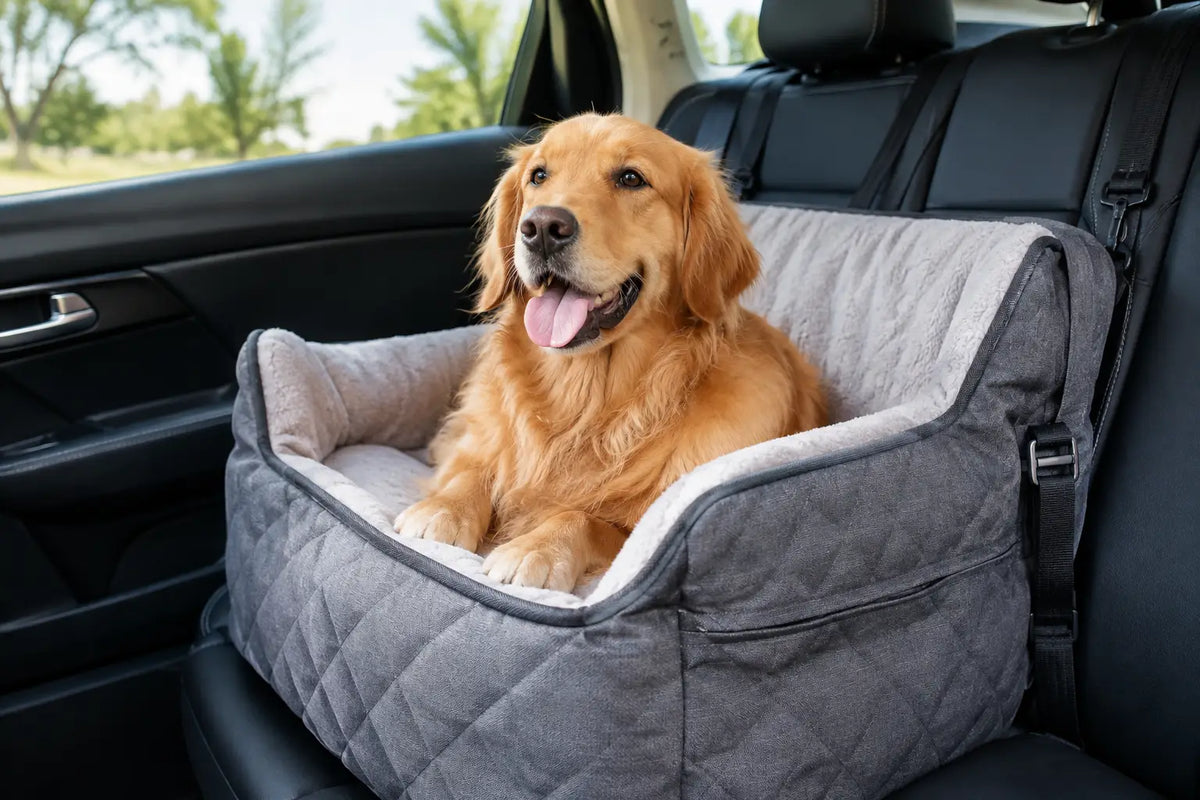
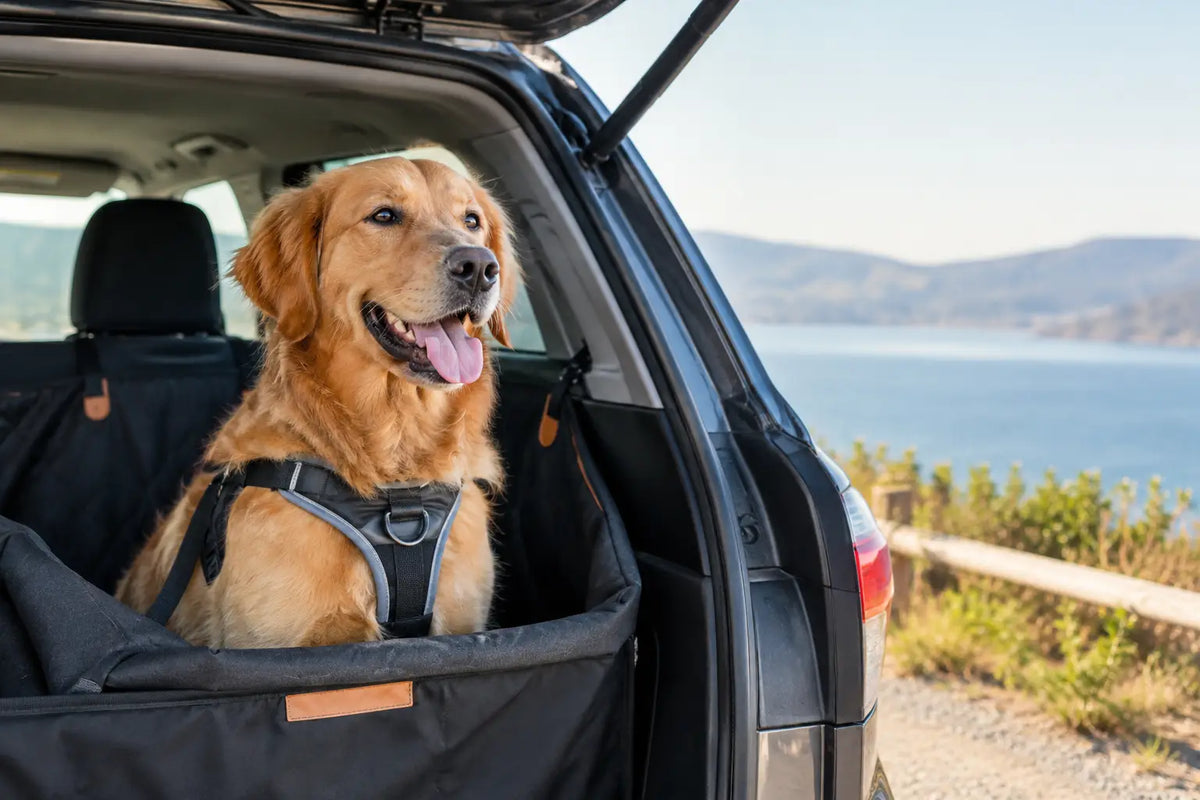
That does not mean adventures are off the table. A crash-tested car crate, ISOFIX pet car seat or supportive stroller may offer a calmer way for your companion to stay included, particularly for senior dogs and pets who need extra mobility support. Your dog deserves a seat on the adventure too, but the form of that adventure should fit them.
A carefully measured, airline-approved carrier is not just luggage. It is your pet’s protected space in an unfamiliar place. Give them time to know it, check every detail with the airline, and choose comfort over clever shortcuts. Calm preparation is one of the kindest things you can pack.