Three Legged Dog Mobility That Keeps Life Moving
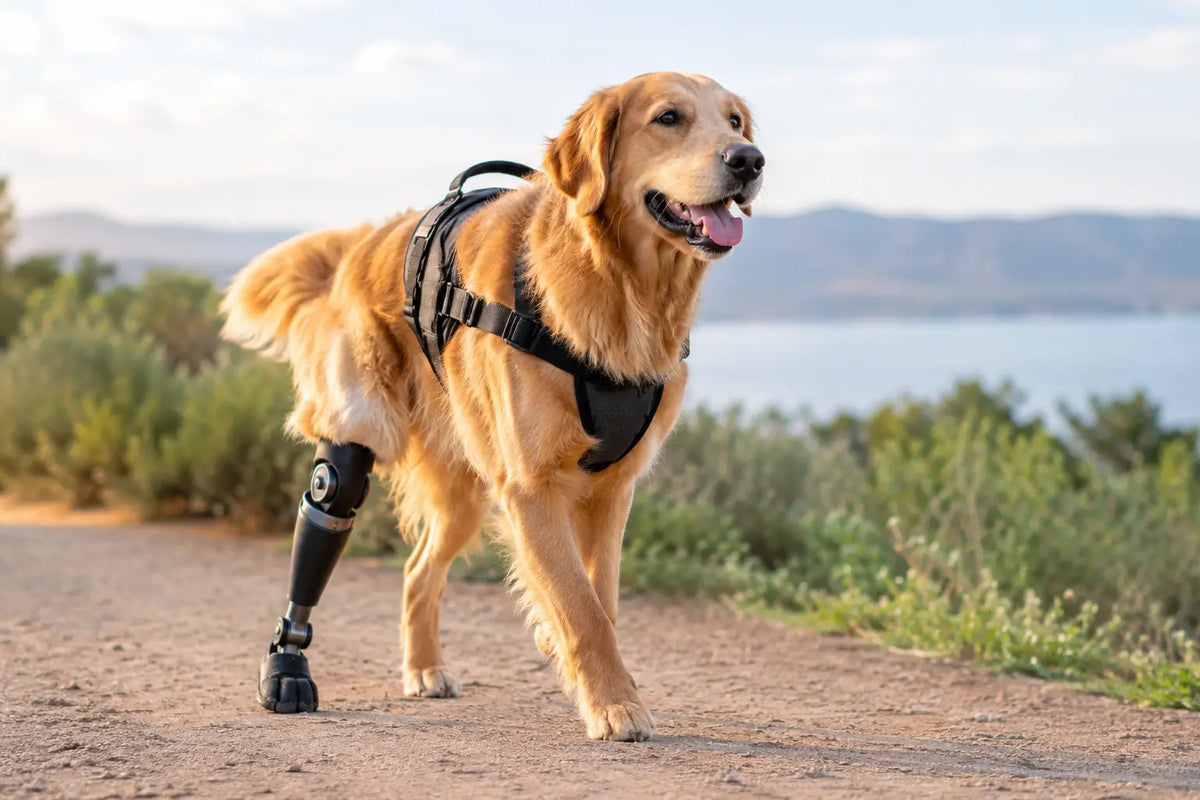
A dog who loses a leg often surprises everyone. After the first careful days, many ‘tripods’ return to greeting visitors at the door, following familiar routes and insisting that the walk is not over yet. But good three-legged dog mobility is not about expecting them to carry on exactly as before. It is about helping them move with confidence while protecting the joints, spine and remaining limbs that now do more of the work.
Whether your dog is recovering from an amputation, was born with three legs or is adjusting to limb loss later in life, a few thoughtful changes can make everyday life safer, more comfortable and far more inclusive.
Understanding three-legged dog mobility
Dogs are remarkably adaptable, particularly when the lost limb was painful or unusable before surgery. Once the surgical site has healed, many find a new rhythm quickly. A front-leg amputee and a hind-leg amputee will move differently, however, and the demands on their body are not identical.
A missing front leg can place extra load through the remaining front limb and shoulder, especially during braking, turning and descending slopes. A missing hind leg can affect propulsion, balance and the ability to rise from rest. Age, body condition, arthritis, neurological conditions and fitness all matter too. There is no single timetable for recovery and no rule that says every tripod dog needs the same equipment.
The goal is not to restrict a capable dog. It is to remove avoidable strain, prevent slips and make sure tiredness does not turn a good outing into a painful next day.
Start with the foundations: weight, grip and pacing
Keeping a three-legged dog lean is one of the kindest mobility decisions an owner can make. Even a small amount of extra weight increases pressure on the remaining limbs and can make rising, turning and walking uphill harder. Your vet can advise on a suitable target weight and feeding plan, particularly if activity has temporarily reduced after surgery.
At home, traction is often more valuable than people expect. Polished floors, loose rugs and wet patio slabs can make a dog brace through their body or lose confidence altogether. Non-slip runners, secure mats and clear routes between their bed, water and garden can reduce those awkward slips. Keep nails trimmed and check paw pads regularly, as the supporting paws are working harder than before.
Exercise should be steady rather than heroic. Several shorter walks are often kinder than one long outing, especially during recovery or in older dogs. Watch how your dog moves at the end of a walk and again the following morning. Slowing down, reluctance to get up, repeated sitting, limping on a remaining leg or a change in enthusiasm may mean they need a shorter route, more recovery time or veterinary advice.
Make daily transitions easier
The most demanding moments are often not the walk itself. They are getting out of bed, climbing into the car, negotiating kerbs and finding balance while toileting on uneven ground.
A supportive bed with a low entry can make standing easier, while an orthopaedic mattress helps cushion pressure points during rest. Place it somewhere warm and easy to reach, rather than at the far end of a slippery room. If your dog sleeps upstairs, think carefully about whether stairs are still safe when they are sleepy, sore or excited.
For a dog who is unsteady when rising or needs occasional help over a step, a well-fitted support harness can be useful. Rear-support designs may suit dogs with a missing hind limb or reduced hind-end strength, while full-body harnesses can give more balanced assistance for dogs with broader mobility needs. The fit matters: a harness should support the body without rubbing under the armpits, restricting the shoulder or putting pressure on the surgical area.
Ramps can reduce repeated impact when getting into a car, but only if the ramp is wide enough, has a grippy surface and is introduced patiently. Some small dogs and dogs with poor balance feel safer being lifted. In that case, support both the chest and rear rather than lifting by the front end alone.
Choose outings for comfort, not just distance
Your dog still deserves a seat on the adventure too. That may mean a shorter woodland walk followed by a café stop, a gentle trip to the coast, or joining the family on a day out without being expected to cover every mile on foot.
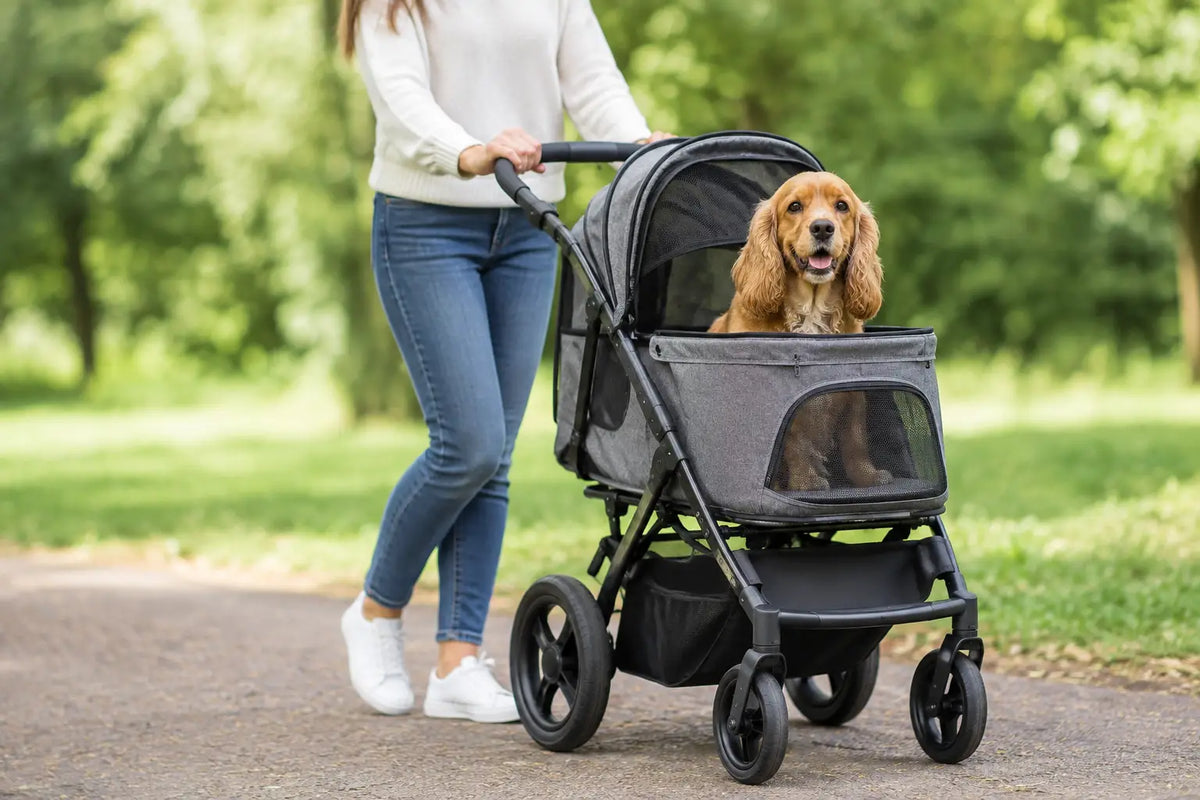
A dog stroller is particularly helpful for small dogs, seniors and dogs building strength after surgery. It gives them a safe place to rest when they have reached their limit, while keeping them involved in the sights, scents and company of the outing. Look for a stable frame, secure restraint point, good ventilation and a cabin with enough room for your dog to lie down naturally. Check the stated weight capacity rather than relying on breed labels alone.
For longer routes, mixed-terrain days or busy town centres, a stroller can be a sensible welfare choice rather than a sign that your dog has ‘given up’. The trade-off is that some active, confident dogs may become frustrated if placed in it too early. Use it as a planned rest option, not a substitute for the movement they can comfortably enjoy.
Terrain deserves attention too. Soft grass is not always easy if it is rutted or muddy, and loose shingle can be tiring. Smooth, level paths may be better on low-energy days. Avoid steep descents, repeated jumping and frantic ball throwing, all of which can place sudden load through the supporting limbs.
Travel safely with a tripod dog
Car travel involves more balancing and bracing than it appears. A dog with three legs may struggle to stabilise themselves during cornering or braking, so loose travel on a seat or in the boot is not a safe solution.
The best set-up depends on your dog’s size, vehicle and movement needs. A correctly sized crash-tested crate gives many dogs a protected, contained space. For smaller dogs, a suitably rated pet car seat or travel carrier can provide support and visibility, provided it is compatible with the vehicle and fitted as instructed. Some products use ISOFIX, while others are secured with the vehicle seat belt. Compatibility and weight limits should always be checked before purchase.
Add familiar bedding for comfort, but do not overfill the travel space. Your dog needs enough room to settle in a natural position without sliding around. For longer journeys, build in calm comfort breaks and help them in and out rather than encouraging a leap from height.
When a mobility aid may help
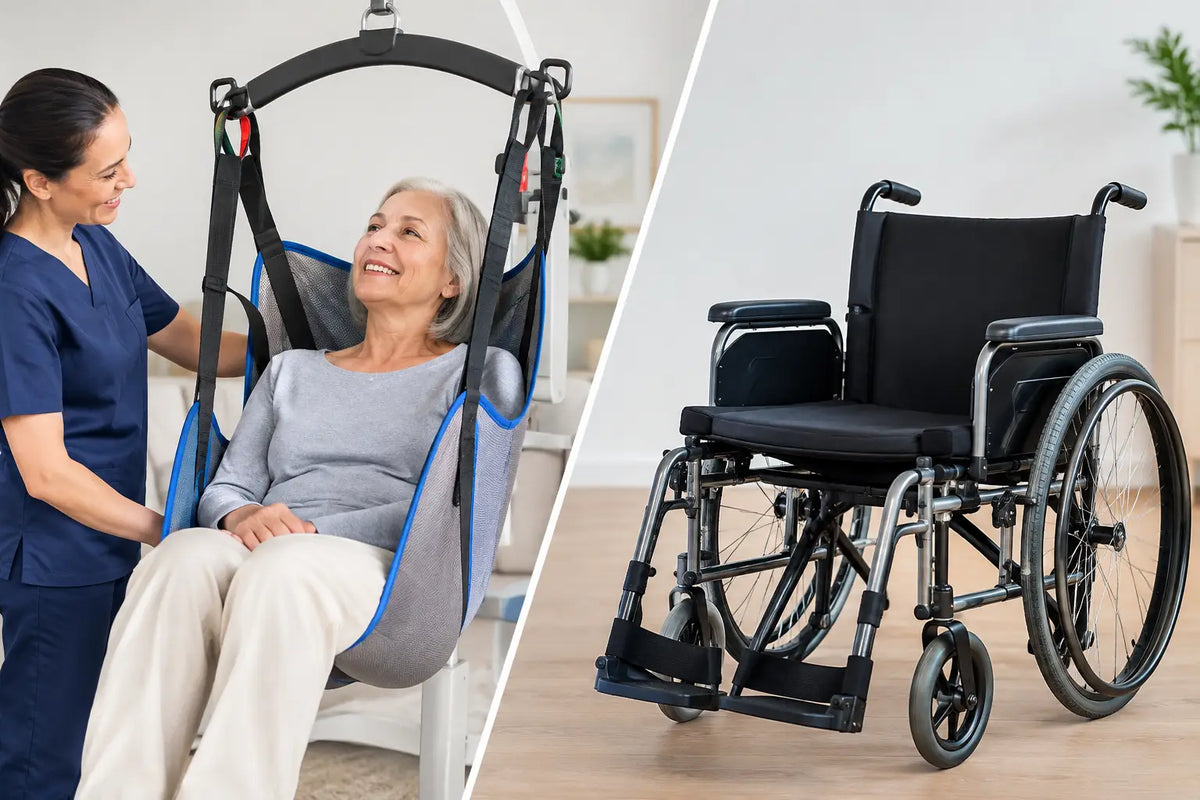
Not every three-legged dog needs a wheelchair. In fact, a wheel may be inappropriate for a dog who is independently mobile and simply adjusting to amputation. But a carefully measured wheelchair can be life-changing for dogs with additional weakness, progressive conditions, pain in a remaining limb or limited stamina.
A wheelchair should be selected around the dog, not just their diagnosis. Body length, hip height, chest shape, weight, gait and whether the dog needs rear-only or more comprehensive support all affect the right configuration. A poorly fitted chair can rub, alter posture or create new strain, so ask for professional guidance and introduce it gradually.
Other useful mobility accessories may include protective boots for vulnerable paws, non-slip socks for indoor use and waterproof layers that keep a recovering dog warm and dry. These are supporting tools, not cures. If your dog suddenly becomes less mobile, do not assume they merely need new equipment. Pain, arthritis, soft-tissue injury or a neurological issue should be assessed by a vet.
Protect confidence as well as joints
Dogs notice when the world becomes difficult. A frightening slip, an unsuccessful jump or being repeatedly hurried can make a previously confident dog hesitate. Give them time to work out their new balance, reward calm movement and avoid pulling them through situations they are unsure about.
It also helps to let other people know what your dog needs. Children may need reminding not to encourage boisterous play, and well-meaning dog walkers should understand that a three-legged dog may not want an energetic greeting. Your dog is still a dog, with preferences and boundaries, not a public invitation for sympathy.
At Pets Own Us, we believe mobility support should protect dignity as much as it supports movement. The right bed, harness, stroller or travel set-up can reduce strain, but it also says something simple: your dog still belongs in the family plans.
Pay attention to the small signs, adapt before discomfort builds, and give your tripod the choice to walk, rest and come along. A life with three legs can still be wonderfully full of fresh air, familiar places and shared adventures.