IVDD Dog Recovery at Home: A Calm, Safe Plan
The hardest part of IVDD is often not the diagnosis. It is seeing a dog who usually races to the door, leaps on the sofa or insists on joining every family walk suddenly need strict rest. Thoughtful ivdd dog recovery at home is about protecting the spine while keeping your dog comfortable, clean, emotionally settled and very much part of family life.
Intervertebral disc disease can range from back pain and wobbliness to weakness or paralysis. Some dogs recover with conservative treatment and carefully managed rest; others need surgery followed by a structured rehabilitation plan. Your veterinary team’s instructions always come first, because the right routine depends on the disc affected, your dog’s neurological signs, whether they have had an operation and how well they can toilet independently.
Start with a recovery space that prevents accidents
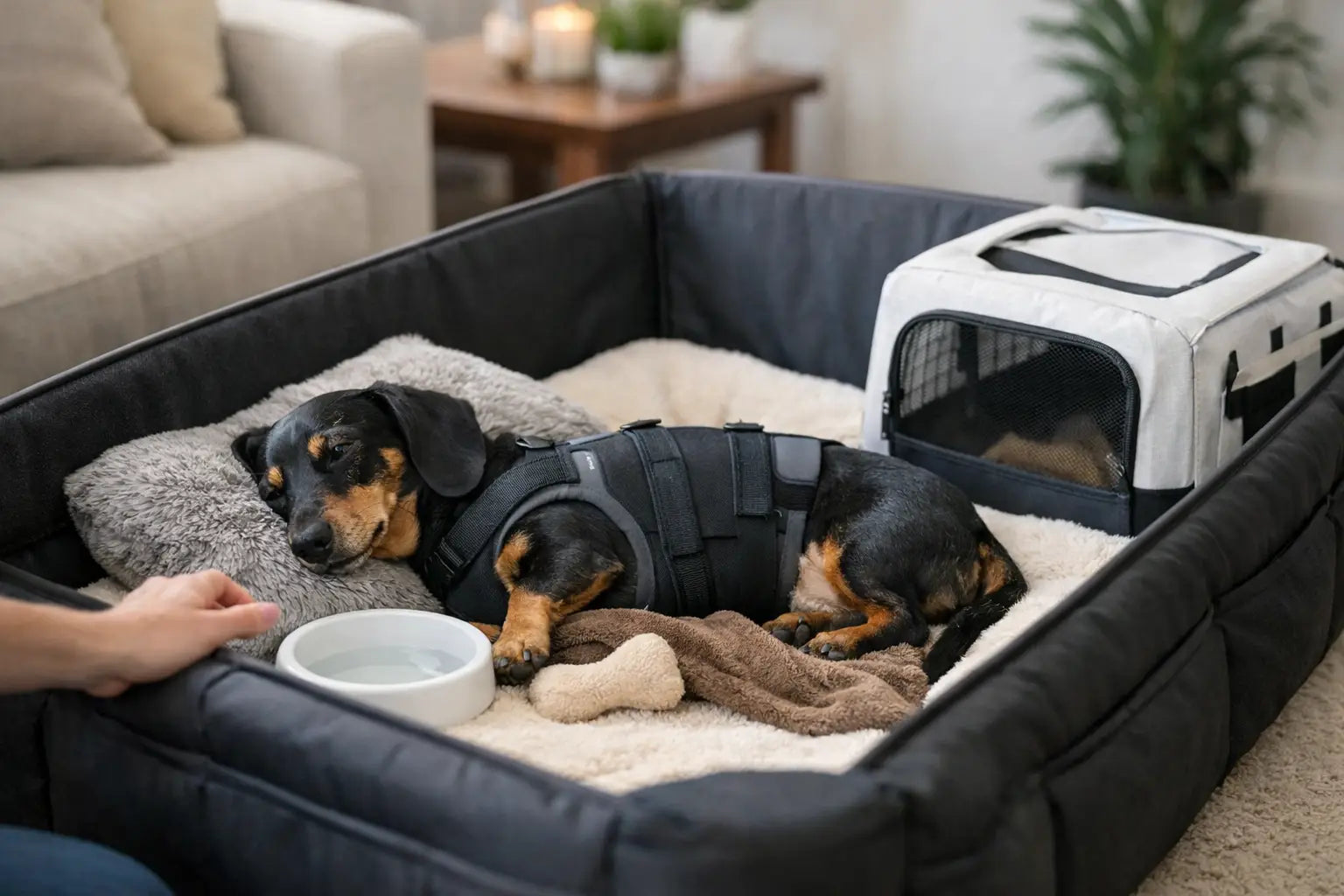
For many dogs, strict rest is the least glamorous and most valuable part of treatment. That usually means a crate, pen or small, enclosed area large enough to lie flat, turn around and eat or drink, but not large enough to build up speed, jump or climb. If your dog has undergone surgery, ask your vet exactly when they are happy for the space and routine to change.
Choose a quiet spot where your dog can still see and hear the household. Being isolated in another room can make a sociable dog anxious, while a pen in the middle of a busy walkway can be overstimulating. The sweet spot is calm company: a bed beside your desk, a crate near the family sofa, or a safe corner where visitors and energetic children cannot accidentally knock into them.
Use deep, supportive bedding that is easy to wash and stays dry. Keep food and water close enough that your dog does not have to stretch, twist or shuffle to reach them. Non-slip flooring matters too. A smooth kitchen floor can turn a few tentative steps into an alarming split, so use secured runners or grip mats on the route to the garden.
IVDD dog recovery at home means controlled movement
“Rest” does not mean leaving a dog to manage alone. It means making every necessary movement deliberate. Follow the lead-only toilet schedule set by your vet, use a short lead, and choose the flattest possible route. No stairs, furniture, sudden turns, games with other pets or enthusiastic greetings at the front door.
When lifting is appropriate, support both ends of the body at once. One hand or arm supports the chest and front end, while the other supports the hindquarters, keeping the back as level as possible. Never lift by the front legs, under the tummy alone, or by a harness that lets the rear end dangle. For a larger dog, two people are safer than one.
A well-fitted support harness can make toilet trips less stressful, particularly when the back legs are weak. It should help you steady your dog without pulling the spine into an awkward position or rubbing sensitive skin. If your dog cannot walk safely, ask your vet or physiotherapist whether a rear-support sling is suitable. The answer is not always yes, especially in the earliest stage of recovery.
Be precise with medicines, toileting and comfort checks
Pain relief is not a signal to resume normal activity. It simply gives your dog the chance to rest comfortably. Give medication exactly as prescribed and do not add human painkillers, supplements or leftover medication without veterinary approval. Many common human medicines are dangerous for dogs, and some combinations can be harmful.
Keep a short daily note of medication times, appetite, water intake, toileting, mobility and behaviour. This is useful when progress feels slow, and it gives your vet a clear picture if you need advice. A dog who is brighter one day and quieter the next may still be within a normal recovery pattern, but marked changes deserve a call.
Ask your veterinary team to show you how to check whether your dog is emptying their bladder properly if this is a concern. Some dogs with neurological deficits need hands-on bladder care, and this must be demonstrated rather than guessed. Damp bedding, urine scald and repeated small puddles can signal a problem, not simply poor house training.
Contact your vet urgently if pain suddenly worsens, your dog cries out repeatedly, becomes weaker, loses the ability to walk, cannot pass urine, has a tense or painful abdomen, or seems unusually distressed. IVDD can change quickly. Acting early is kinder and may affect the treatment options available.
Keep their mind busy without winding up their body
A dog on crate rest still needs a day with some shape to it. Gentle enrichment can reduce frustration without encouraging twisting, scrambling or excitement. Offer part of their meal in a lick mat or a suitable food toy that can be used while lying down, provided your vet is happy with it and your dog does not become frantic around food.
Quiet companionship counts. Sit beside the pen, offer a calm chew if it is safe for your dog, or practise low-key cues such as eye contact and chin rests without asking them to change position. Avoid anything that prompts bouncing, spinning or reaching up, including squeaky toys and high-energy puzzle games.
This is also a good time to protect your dog’s dignity. If they need help cleaning after toileting, use warm water and a soft cloth, then dry thoroughly. Check the skin over hips, elbows and ankles every day, especially if they are lying down more than usual. Small irritations are easier to manage before they become sore areas.
Rehabilitation should be prescribed, not improvised
The internet is full of well-meant recovery exercises, but a movement that helps one dog can be too much for another. Passive range-of-motion work, supported standing, balance exercises, hydrotherapy and short controlled walks all have a place at the right stage. The timing, repetitions and technique should come from your vet, surgeon or qualified canine physiotherapist.
Do not test recovery by encouraging a jump onto the sofa or allowing a “quick little walk” because your dog seems keen. Eagerness is not spinal readiness. Progress is usually measured in small wins: a more comfortable posture, steadier supported standing, better paw placement, or a calm toilet trip.
If your dog is recovering after surgery, protect the incision as instructed and attend every planned check-up. If conservative treatment is being used, keep the same discipline. The trade-off can feel unfair in the short term, but preventing another painful episode or setback is worth more than a few weeks of normal routines.
Plan outings around safety, not speed
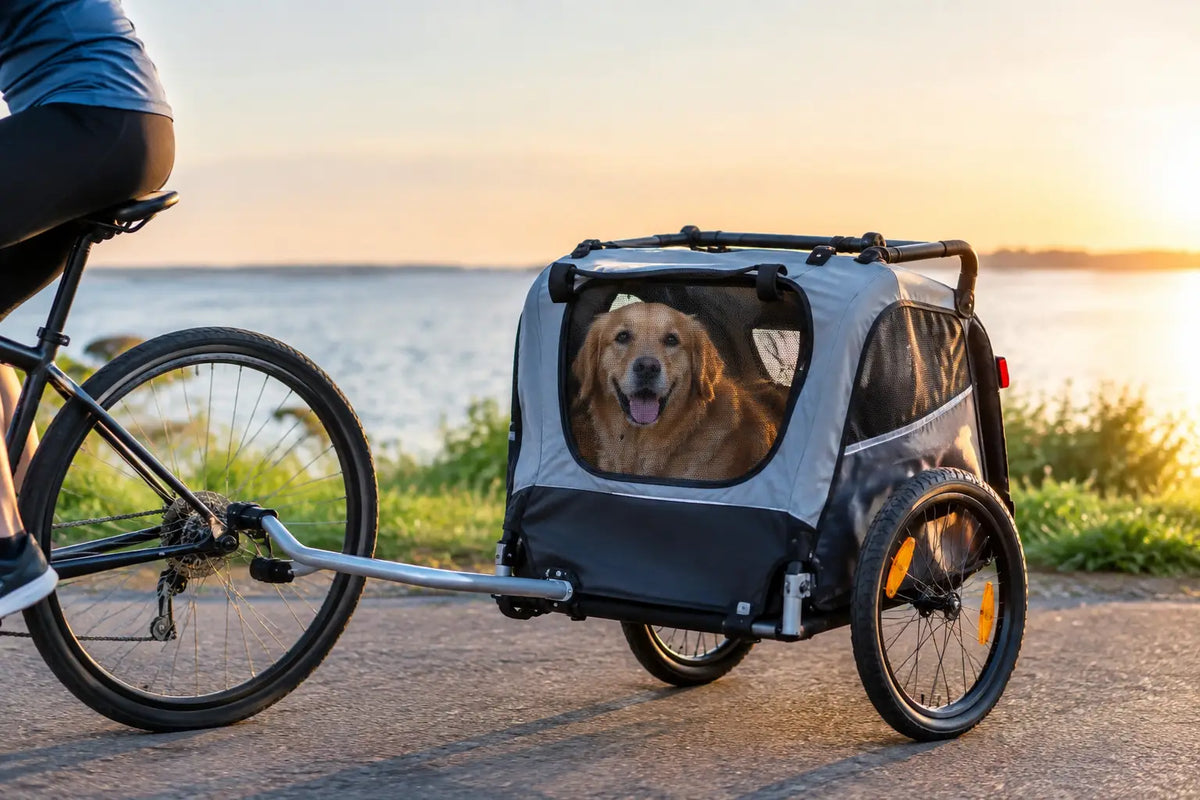
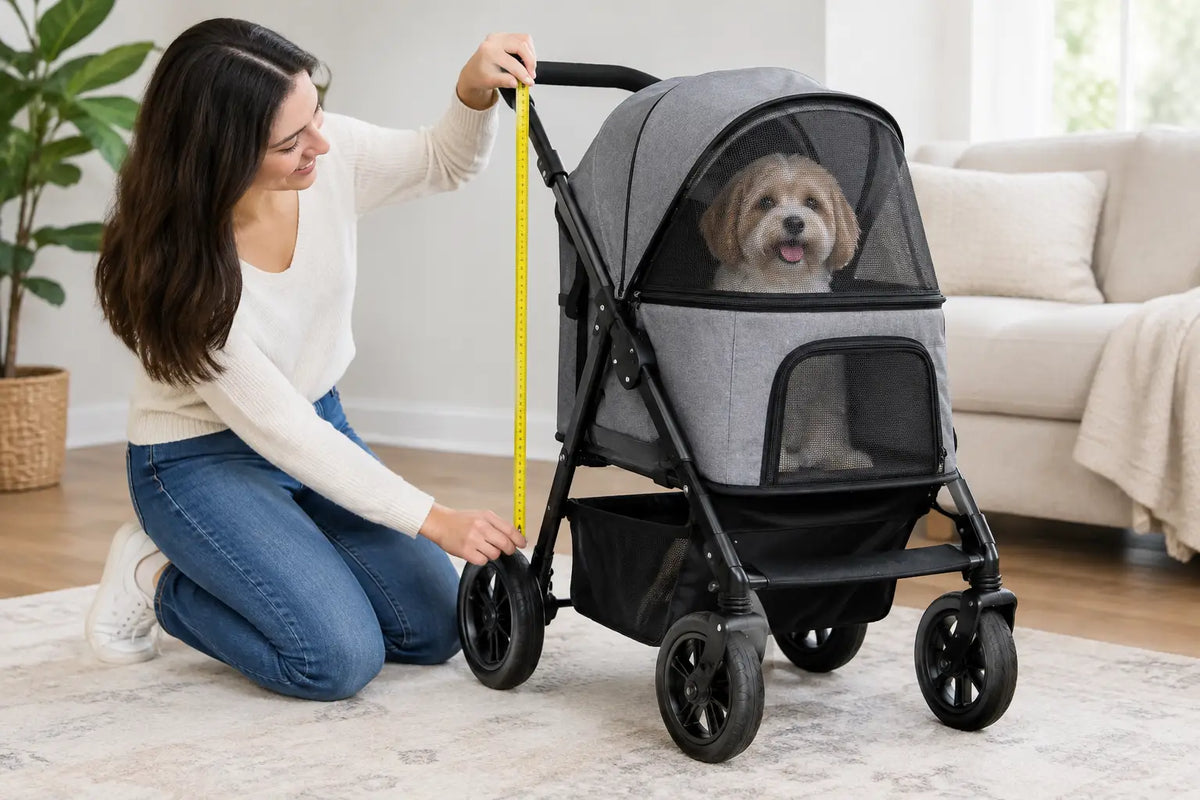
As your vet allows more activity, it is natural to want your dog back beside you for fresh air, coffee stops and family days out. Take that return slowly. A dog stroller can be a particularly helpful bridge for a small, senior or mobility-limited dog: they can enjoy the sights and smells without covering more ground than their spine can safely manage.
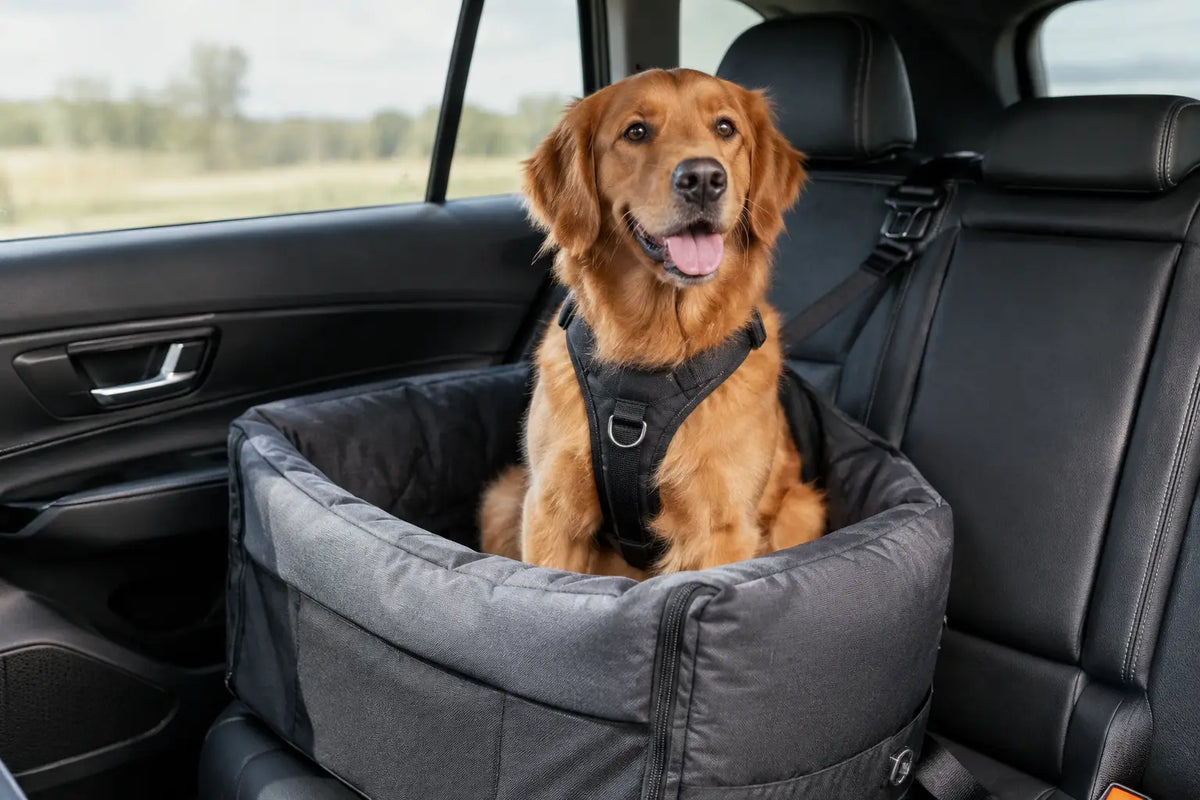
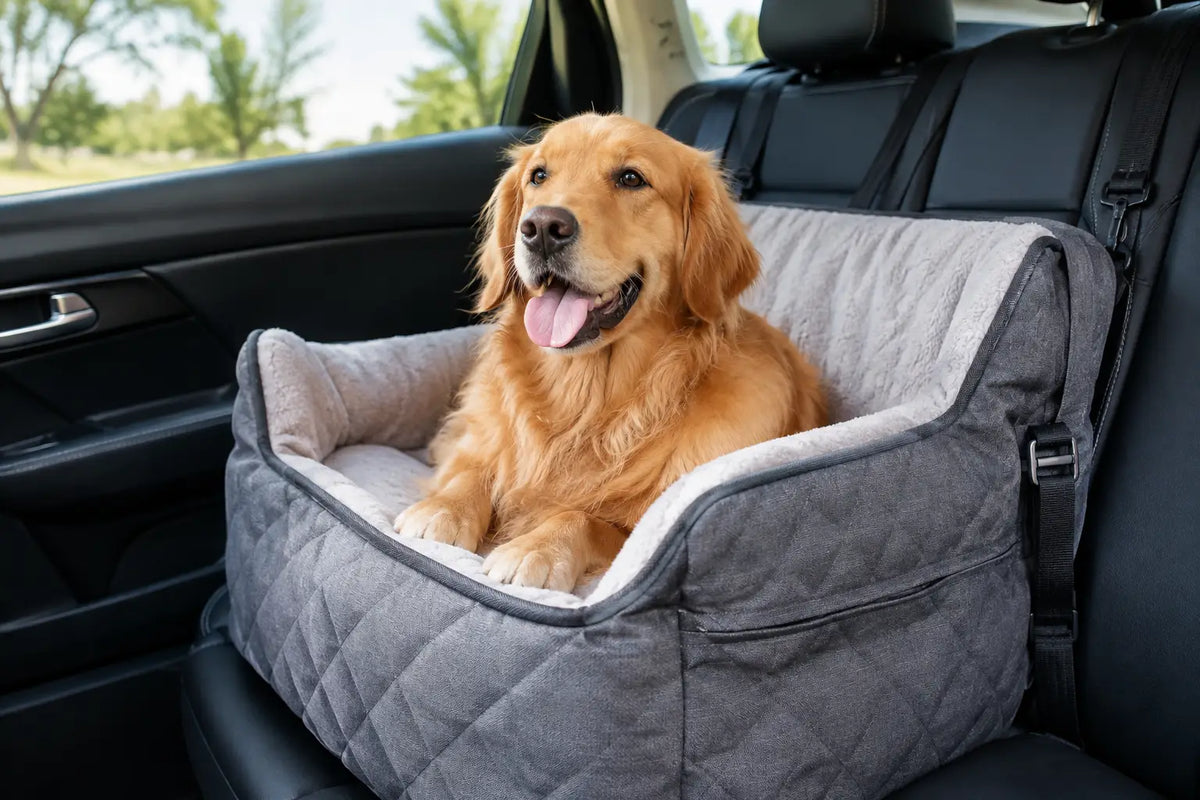
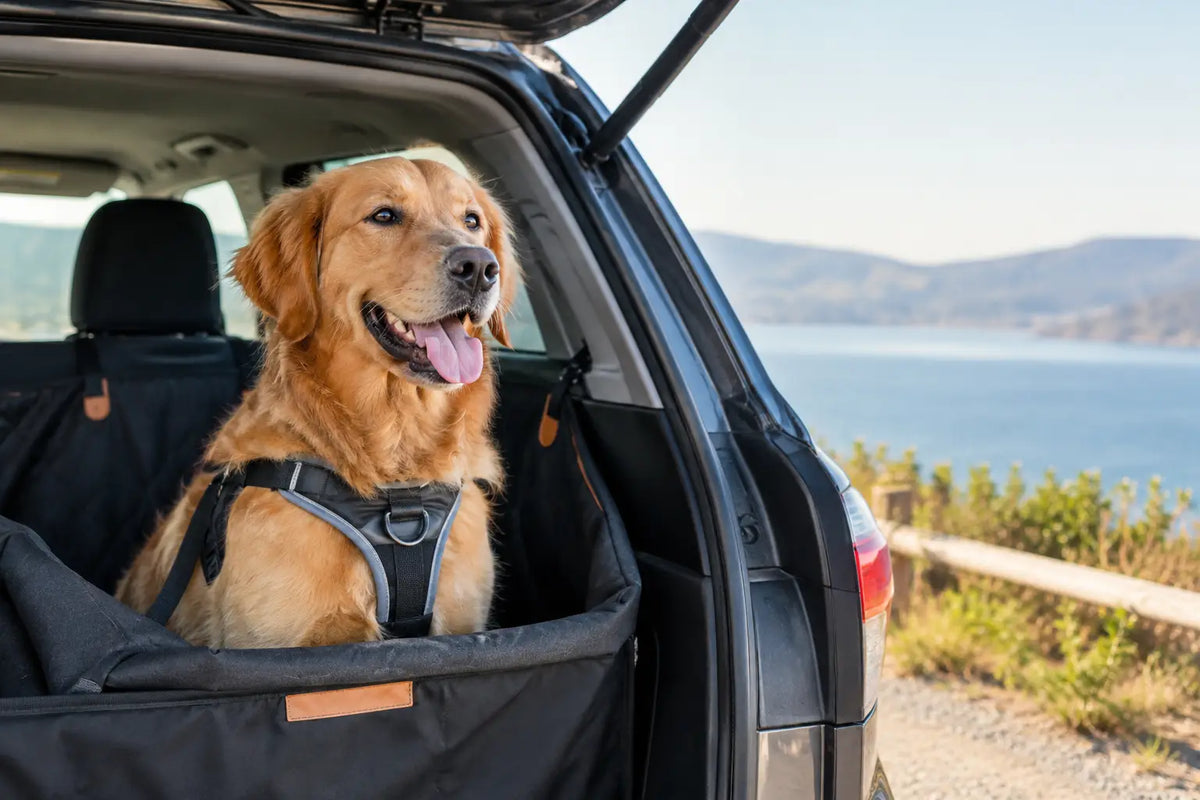
Look for a stable design with a supportive, level base, secure restraint points and enough room for your dog to lie comfortably rather than perch or brace themselves. For car journeys, use a suitable secured carrier, crate or vehicle restraint that matches your dog’s size and your vehicle setup. Avoid lifting your recovering dog in and out of a high boot without support.
Mobility equipment should support a veterinary plan, not replace it. A wheelchair, for example, can restore confidence and inclusion for some dogs, but it needs correct fitting, supervised use and professional guidance. The aim is not to rush back to the old routine. It is to build a new, safe way for your dog to remain part of the adventure.
Give recovery the patience it asks for
IVDD recovery rarely feels linear. There may be encouraging days, worrying days and long stretches where the main achievement is simply that your dog is resting safely. Keep the routine gentle, celebrate the small improvements and ask for help when something does not feel right.
For now, your dog does not need to lead the walk. They need to know you are still taking them with you, carefully and at their pace.