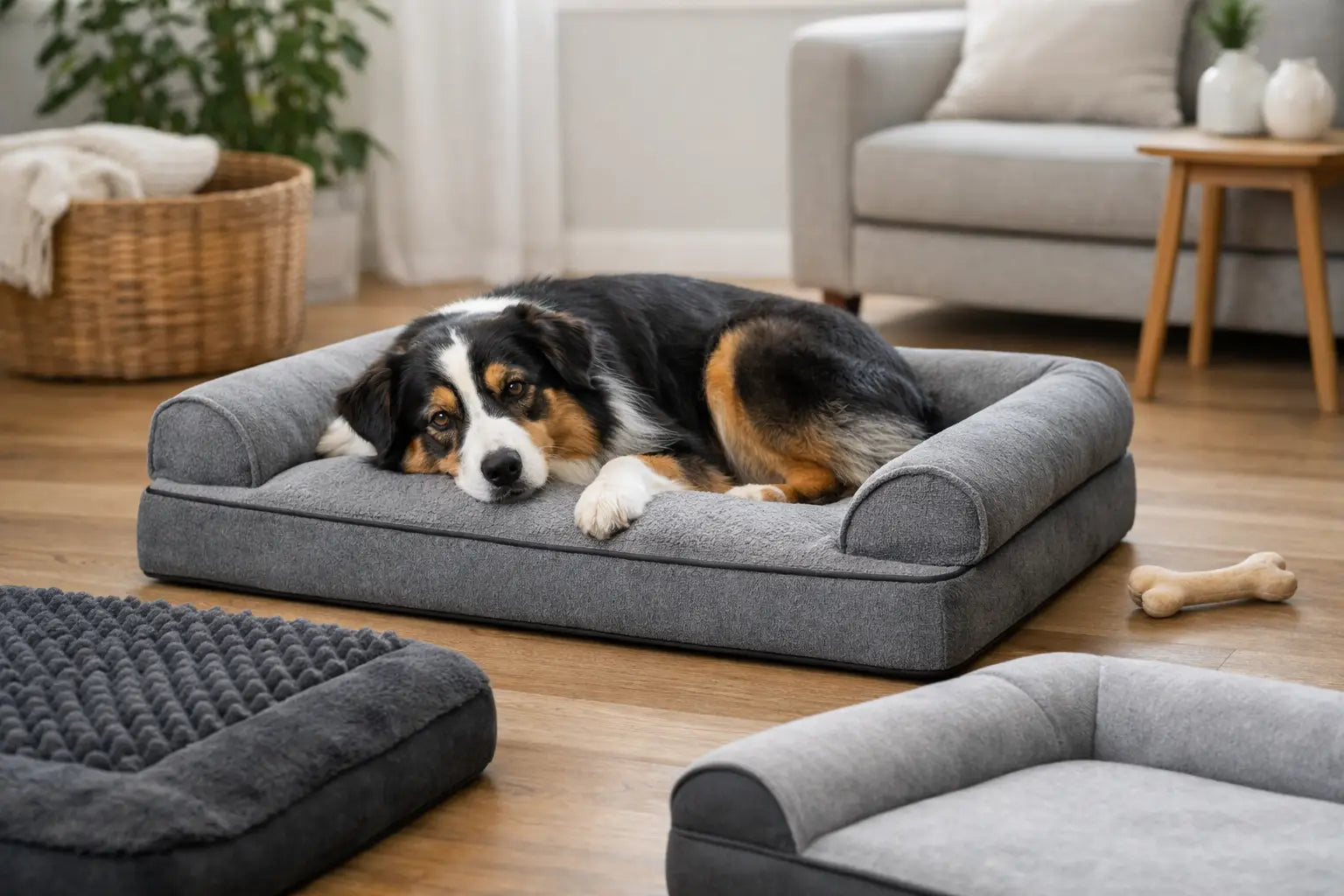
How to Choose the Right Orthopaedic Dog Bed
A dog who hesitates before lying down, circles repeatedly to find a comfortable spot, or takes longer to get moving after a nap is telling you something. An orthopaedic dog bed will not cure arthritis, injury or age-related stiffness, but the right one can make everyday rest far more comfortable - and give your dog a properly supportive place to recover between walks, meals and family adventures.
For senior dogs, large breeds, dogs managing joint conditions, and those on restricted exercise after surgery, a bed is not simply a soft accessory. It is part of their daily comfort set-up. The best choice depends on your dog's size, sleeping style, mobility and where the bed will live, rather than on how thick or plush it looks in a photograph.
What makes a dog bed orthopaedic?
A genuinely orthopaedic bed is designed to distribute your dog's weight more evenly and reduce pressure on prominent joints such as hips, shoulders and elbows. Its key feature is usually a dense, supportive foam base. Memory foam moulds gently around the body in response to warmth and pressure, while high-density support foam helps prevent the bed from compressing flat under a heavier dog.
Many premium beds use layered foam: a comfort layer on top, with firmer support beneath. This is often a sensible option for a Labrador, German Shepherd, Golden Retriever or other larger dog, as well as for dogs who spend long periods resting. A very soft cushion can feel inviting at first, but if it bottoms out, your dog is effectively lying on the floor.
Orthopaedic does not have to mean clinical-looking. Beds can still suit a carefully considered home, with washable covers, furniture-style fabrics and colours that work with your space. Comfort and good design can absolutely share the same room.
When an orthopaedic dog bed is worth considering
Older dogs are the most obvious candidates, particularly if they have arthritis, hip or elbow dysplasia, spinal discomfort or general stiffness. Yet age is not the only reason to invest in better support. A bed with a stable, cushioned sleeping surface can be useful for dogs recovering from an operation, managing an injury or reducing activity under veterinary guidance.
It can also be a smart preventative comfort choice for giant breeds and active dogs. A young dog who races through muddy fields, joins you on weekend trips and collapses after a long day may appreciate quality support too. Think of it as giving their body a reliable place to switch off.
That said, a supportive bed is not a replacement for veterinary assessment. Sudden reluctance to jump, yelping, limping, dragging paws or a marked change in sleep habits needs professional advice. If your dog has IVDD, has recently had surgery, or cannot safely manage steps, discuss their home set-up with your vet or rehabilitation professional. The bed should support the wider care plan, not substitute it.
Choose the right foam, not simply the thickest bed
Thickness matters, but density and construction matter more. A thin, dense foam can provide more useful support than a deep pillow filled with loose fibre. Look for a mattress that springs back after your dog gets up and does not develop a permanent hollow after a few weeks.
Memory foam is particularly popular because it cushions bony areas and conforms to the body. For a larger or heavier dog, a bed combining memory foam with a firmer base tends to offer better long-term support than memory foam alone. If your dog runs hot, consider whether the cover and foam construction allow good airflow, as some close-fitting memory foam beds can retain warmth.
Egg-crate foam is another common option. It can improve airflow and create a softer feel, but it is usually best for lighter dogs or as an upper comfort layer. For dogs with significant mobility needs, look beyond surface texture and assess what is supporting the body underneath.
Size and shape affect how easily your dog can rest
Measure your dog while they are fully stretched out asleep, then add room around them. Many dogs sleep curled up sometimes and sprawled out at others, so the ideal bed allows both. A bed that is too small can leave hips or shoulders unsupported; one that is excessively large may feel less snug for a small, anxious dog.
For a dog with limited mobility, the entrance height is just as important as the sleeping area. Raised bolsters can be cosy and provide somewhere to rest the head, but a high edge may be difficult for a dog with weak back legs, painful shoulders or reduced balance. A mattress-style bed with a low front edge is usually easier to step on to.
Consider these four practical checks before choosing a shape:
- A flat mattress bed suits dogs who stretch out and those who need step-free access.
- A bolster bed suits dogs who like to curl up or lean their head against an edge.
- A nest-style bed may feel secure for small dogs, provided they can enter without jumping.
- A waterproof-lined or wipe-clean option is useful for post-operative recovery, incontinence or muddy paws.
Put the bed where your dog wants to be
The finest orthopaedic mattress will not help much if your dog avoids it. Place it in a calm, draught-free area where they already choose to settle. For many dogs, that is near the family rather than in a separate room. Pets are family, after all, and a comfortable resting spot lets them stay part of everyday life without having to perch on an unsuitable sofa or cold floor.
Some homes benefit from more than one bed. A supportive bed in the lounge and another in the bedroom can prevent an older dog from repeatedly climbing stairs simply to be close to you. If your dog travels with you, a portable supportive mat or blanket can make car journeys, stays with family and holidays feel more familiar.
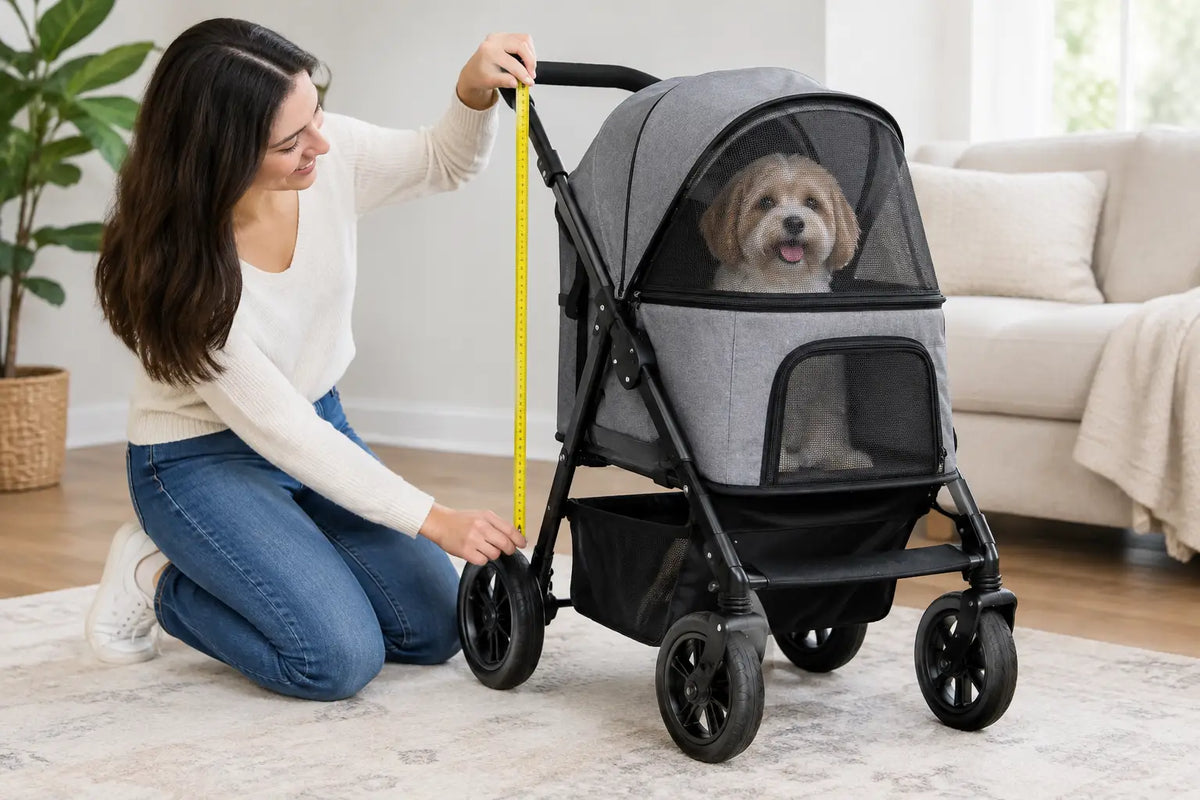
Keep the route to the bed clear. Avoid placing it beside a busy doorway where it may be bumped, or on a slippery surface. For a dog using a wheelchair, rear support harness or stroller on outings, this easy-access resting zone becomes even more valuable once they are home.
Covers, cleaning and everyday durability
A removable, machine-washable cover is worth prioritising. Senior dogs may have accidents, recovering dogs may need closer hygiene, and every dog brings in a little of the outside world. Check that replacement covers are available if possible, especially when choosing a premium bed intended to last for years.
Look closely at the zip placement too. A concealed or protected zip reduces the temptation for a bored dog to chew it, while sturdy seams are essential for dogs who circle and nest before settling. Soft fleece may feel lovely, but tightly woven upholstery fabric or hard-wearing technical fabric may be the better choice for a dog who digs at their bed.
Wash bedding according to the care instructions and allow the foam to air fully before replacing the cover. Regular cleaning helps manage odours and allergens, but harsh washing or frequent soaking can shorten the life of some foam inserts.
Watch your dog's response after the first few nights
Dogs are wonderfully honest product testers. If your dog settles more quickly, changes position less often, and chooses the bed voluntarily, you are probably on the right track. If they lie beside it rather than on it, seem too warm, struggle with the edge or leave an obvious body-shaped dip, reassess the size, shape and support.
For dogs with changing needs, the right bed may change too. A low-entry mattress that works brilliantly during post-operative recovery may later be replaced by a bolster bed once confidence and mobility return. Equally, a beloved soft basket may cease to provide enough support as your dog gets older.
Choosing an orthopaedic dog bed is one of those quiet decisions that can make a noticeable difference to your dog's day. Give them a place that supports their body, suits their habits and keeps them close to the people they love - ready for a proper rest before the next adventure.