How to Acclimatise a Dog to a Pushchair
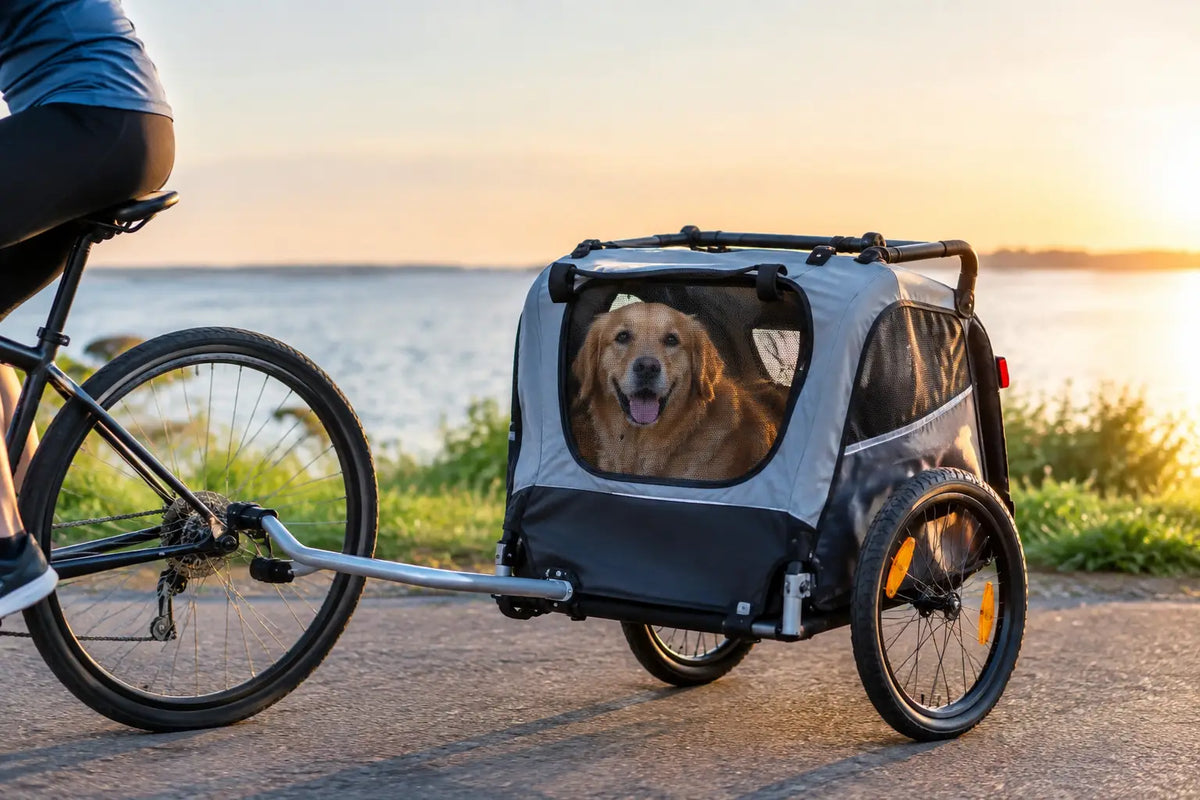
A dog pushchair can give a tired senior, a dog recovering from surgery or a small companion with short legs a place on the adventure. But the first sight of a rolling carriage, moving wheels and an unfamiliar enclosed space can feel odd to even the most confident dog. Knowing how to acclimatise a dog to a pushchair means taking the pressure out of the process, so they learn that it is a comfortable, safe place to rest rather than something they have to endure.
The aim is not to get your dog sitting still in a pushchair as quickly as possible. It is to build genuine confidence. Some dogs will settle after a few short sessions; a cautious rescue dog, a dog in pain or one with poor sight may need days or weeks. Let their body language set the pace.
Start with the right pushchair set-up
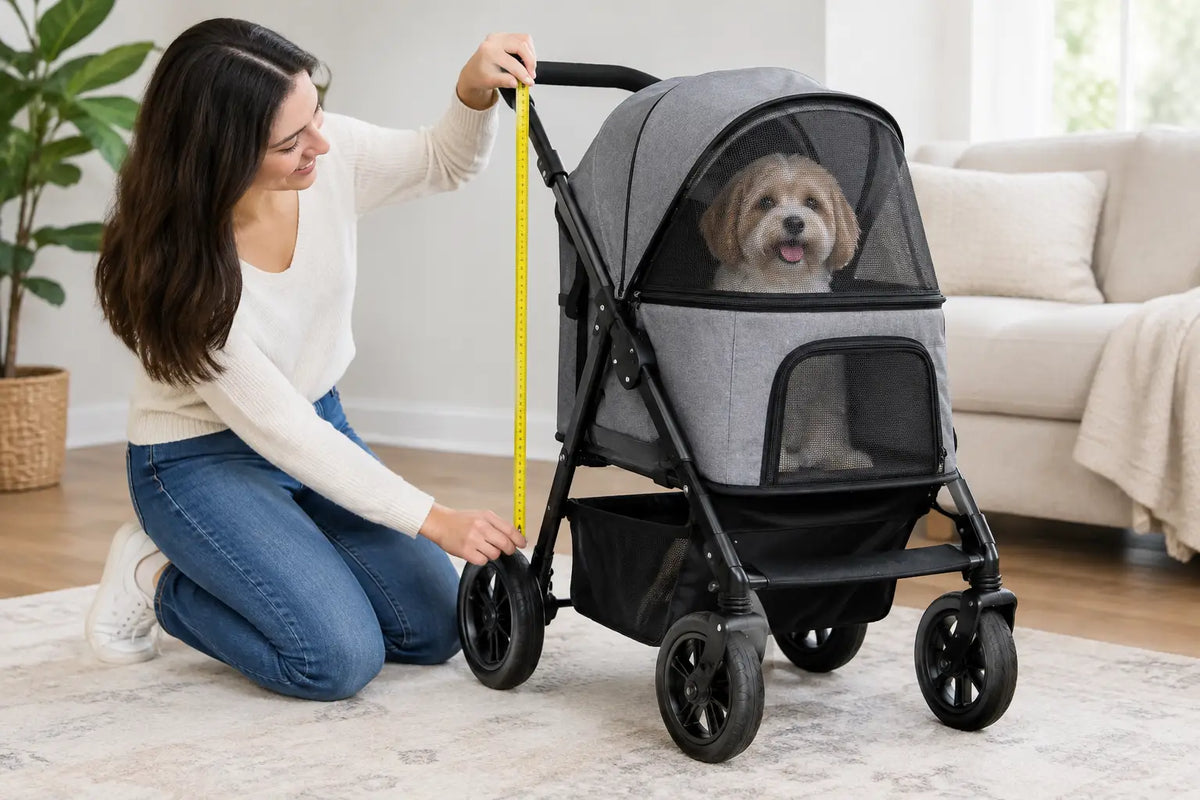
Before introducing your dog, make the pushchair feel stable and inviting. Park it on level ground with the brakes firmly on. Check that the cabin is appropriate for your dog's height, length and weight, and that they can turn around and lie down without being cramped. A pushchair that is technically within its weight limit but too narrow for a dog to settle in is unlikely to become a happy resting place.
Put in a familiar, non-slip blanket or bed liner. The scent matters: bedding from home can make a new pushchair feel far less foreign. For a dog with arthritis, IVDD, a healing injury or tender joints, add enough padding to prevent pressure points while keeping the floor firm and stable beneath them.
Check the restraint before you begin. Most dog pushchairs include an internal safety tether that attaches to a well-fitted harness, not a collar. The tether should prevent an unexpected jump without pulling your dog tight or stopping them from changing position. For dogs with mobility conditions, avoid asking them to climb or jump into a high cabin. Use a low-entry design where possible, gently lift them with proper support, or use a ramp if suitable.
How to acclimatise a dog to a pushchair at home
Begin indoors or in a quiet garden, where there are no passing dogs, traffic sounds or pavement vibrations. Leave the pushchair open and stationary. At this stage, it is simply a new object in your dog's space.
Let them investigate at their own pace. You can scatter a few favourite treats near the wheels, then just inside the opening, without coaxing them too closely. Praise calm curiosity. If your dog sniffs the frame and walks away, that is still progress. Avoid placing them inside immediately, particularly if they are nervous or have previously disliked crates, carriers or being restrained.
Once they are comfortable approaching it, encourage them to step in voluntarily with a treat or a chew. Keep the canopy fully open so they can see their surroundings and leave easily. For dogs who are physically unable to climb in, lift them slowly and confidently, then offer a treat once they are settled. A shaky, hesitant lift can make a frail dog feel insecure, so support both chest and hindquarters and keep the movement smooth.
Sit beside the pushchair for a minute or two. Offer praise in a quiet voice, then allow your dog to come out. Repeat this several times across the day rather than turning it into one long training session. The pushchair should predict nice things: a favourite snack, calm attention and a chance to watch the household from a cosy spot.
Close the canopy in tiny stages
Many dogs are happy in the open cabin but object when the canopy is lowered or the zip is closed. That reaction is understandable. Start by moving the canopy a small amount, rewarding your dog while it is still open enough for them to see you clearly. Gradually increase the closure over several sessions.
If your pushchair has mesh panels, use them to maintain airflow and visibility. Never fully enclose a dog in warm weather, and do not use the canopy to force a frightened dog to stay put. A relaxed dog may lie down, blink softly, take treats or look around with loose ears. Panting when it is not warm, lip licking, freezing, trying to escape or refusing food can all signal that you need to return to an easier stage.
Add movement slowly and predictably
When your dog can rest in the stationary pushchair, attach the internal tether to their harness and begin with the gentlest possible movement. Release the brakes, push forwards a metre or two on a smooth surface, then stop and reward. Do not start with a busy high street, uneven woodland path or a long family outing.
The sound and sensation of wheels can be surprising, especially for dogs with reduced sight or hearing. Keep your movements smooth, avoid sharp turns and speak calmly as you go. A few short laps around a quiet room, driveway or garden may be enough for the first day.
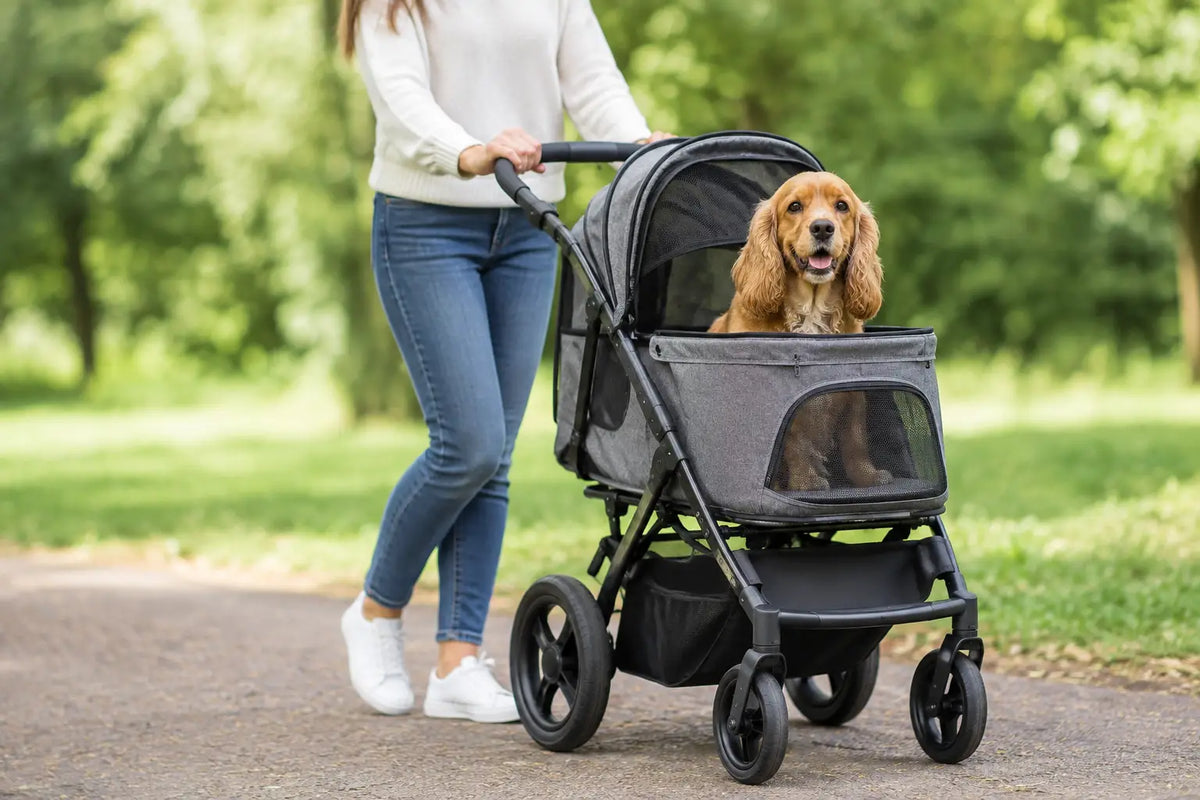
Build up gradually. Try five minutes on a familiar, flat route, then return home while the experience is still positive. Over several outings, increase the distance and introduce gentle real-world distractions such as birds, pedestrians and quieter roads. If your dog becomes tense, stop somewhere safe, offer reassurance and decide whether to continue at a slower pace or head home. Pushing on can turn a manageable worry into a lasting association.
Keep walks part of the routine where possible
For dogs using a pushchair due to age, recovery or limited stamina, it can help to combine short, comfortable walking periods with rest in the cabin. Let them sniff, stroll and choose their pace, then settle them into the pushchair before they become overtired. This protects sore joints and lets them remain part of the outing without asking more of their body than it can comfortably give.
For a puppy or a small dog, a pushchair can also offer safe breaks during a longer day out. It should not replace appropriate exercise, training or opportunities to explore the world on their own feet. Think of it as their seat when their legs need a break, not a place to park them for hours.
Make every journey physically comfortable
Confidence is hard to build if the ride is uncomfortable. Before each outing, check tyre condition, wheel locks, frame clips and the security of the tether. Make sure bedding is dry and that the cabin is free from crumbs, loose accessories or anything your dog could chew.
Temperature needs attention too. A canopy can offer shelter from drizzle or bright sun, but a pushchair can heat up quickly when airflow is restricted. On warmer days, choose shaded routes, use breathable mesh ventilation and carry water. In cold or wet weather, a suitable blanket or coat may help a small, senior or thin-coated dog stay comfortable, provided it does not restrict their movement or catch on the tether.
Be thoughtful about surfaces. Premium pushchairs with larger wheels and suspension can make rough paths more manageable, but even the best design cannot remove every jolt. If your dog has spinal pain, post-operative restrictions or severe arthritis, choose smooth pavements and keep kerbs, cobbles and steep slopes to a minimum. Your vet or physiotherapist can advise on the right level of activity during recovery.
Common setbacks and what they mean
A dog who suddenly refuses the pushchair is communicating something useful, not being stubborn. They may have felt a bump, become too warm, been startled by another dog or developed discomfort that needs checking. Go back to stationary sessions and make the cabin rewarding again before attempting a walk.
Barking at people or dogs from the pushchair can happen because your dog feels confined and unable to create distance. Rather than telling them off, increase space from triggers, keep outings shorter and reward calm observation. Partially closing a canopy may help some dogs feel sheltered, while others prefer the visibility of open mesh. It depends on the individual dog.
If your dog is recovering from an operation, follow the veterinary plan above any training timetable. A pushchair can be a wonderful way to include them in fresh air and family routines while protecting their recovery, but only if getting in, travelling and getting out are pain-free.
A well-acclimatised dog pushchair becomes more than transport. It can be a comfortable front-row seat for the park, the promenade, the café stop and all the little moments your dog still deserves to share with you.