
Fitting a Rear Support Harness for Your Dog
A rear support harness can make the difference between your dog staying involved in everyday life and having to watch from the sidelines. Whether they are recovering from surgery, losing strength through age, living with IVDD or finding stairs and kerbs difficult, fitting a rear support harness correctly is what turns a mobility aid into meaningful support.
The aim is not to lift your dog off the ground or make them walk further than they comfortably can. It is to support their back end while allowing their stronger front legs to do the work they can still manage. When the fit is right, your dog should feel secure, balanced and able to enjoy the garden, a gentle walk or a trip out with the family.
When a rear support harness is the right choice
Rear support harnesses are designed for dogs whose hind legs need help. They are often useful following cruciate ligament surgery, during rehabilitation, for dogs with hip dysplasia or arthritis, and for senior dogs who are becoming unsteady. They can also give owners a safer way to help a dog outside for toilet breaks, into the car or over a doorstep without putting strain on their own back.
They are not, however, a substitute for veterinary advice. A sudden change in your dog's gait, weakness, dragging paws, pain, loss of balance or difficulty toileting needs prompt assessment. If your dog has a spinal condition, neurological problem or a recent operation, ask your vet or veterinary physiotherapist when supported walking is appropriate and how much activity is sensible.
The right support level depends on the dog. A simple rear sling can work well for short, controlled trips outside. A more structured harness with padded leg sections and an adjustable handle may be better for a larger dog, regular use or a dog who needs more stable support. If the front end is also weak, a full-body support harness or mobility system may be the kinder option.
Fitting a rear support harness without pressure points
Start by checking the manufacturer's size guide, using a soft tape measure rather than guessing from breed or weight alone. Most rear support designs rely on measurements around the waist, abdomen, thighs or hips. A stocky French Bulldog, a deep-chested Dachshund and a slim Lurcher can all need very different fits, even at a similar weight.
Before putting the harness on, let your dog sniff it. Lay it across their back or hold it near their hindquarters for a moment, then offer calm praise. This is especially helpful for dogs who have become wary of handling because they are sore or have had repeated treatment.
With your dog standing on non-slip flooring, position the main section so it sits beneath the abdomen or around the hindquarters exactly as the design intends. It should support soft tissue and the pelvis area without pressing into the groin, genitals, ribs or tender surgical sites. For male dogs, always check that the harness placement still allows them to urinate freely. A design that looks secure but obstructs toileting is not a good fit.
Fasten each strap gradually and evenly. You should normally be able to slide two fingers beneath the webbing, but the harness should not sag, twist or slide backwards when you gently take up the handle. Too loose, and your dog may step out of it or receive uneven support. Too tight, and it can rub, restrict movement or put uncomfortable pressure across the abdomen.
Check the handle height before you walk
The handle should let you assist your dog without stooping sharply or pulling their back end high into the air. Stand beside them and lift only enough to steady the hindquarters. Their back should remain in a natural, level position wherever possible, with their paws still able to meet the ground.
For a small dog, it may be tempting to carry most of their weight. In a rear support harness, that is rarely the goal unless your veterinary professional has told you otherwise. Support, rather than suspension, helps preserve confidence and allows your dog to use the muscles they still have safely.
Take a few slow steps indoors first. Watch how the harness sits as your dog moves, turns and pauses. It may need a small adjustment once it is under load. Check that the leg openings do not chafe behind the thighs, that no strap rolls into the crease of the leg and that the handle remains centred.
What good rear support looks like in motion
A well-fitted harness should make movement calmer, not more awkward. Your dog may still walk slowly or unevenly because of their condition, but they should not be hopping to escape the harness, shortening their stride noticeably or leaning heavily to one side.
Look for a neutral back, a secure but relaxed abdomen and even support beneath the rear end. Your dog should be able to place their back paws where they can, rather than having their legs pulled forwards beneath them. If they are scuffing their nails or knuckling over, the harness may help you manage outings, but the underlying issue needs professional guidance.
After the first few uses, inspect their skin and coat. Redness, flattened fur, rubbing, swelling or sensitivity are signs to stop and reassess the fit. Pay close attention behind the front of the back legs, around the inner thighs and along the belly, where pressure can build quickly on a wriggly or long-coated dog.
Short-coated dogs and dogs with thin skin can need extra care, particularly if they wear the harness more than briefly. A padded design may distribute pressure better, but padding does not solve an incorrect size. Conversely, thick-coated breeds can hide rubbing until it becomes uncomfortable, so use your hands as well as your eyes when checking.
Use it for the moments that matter
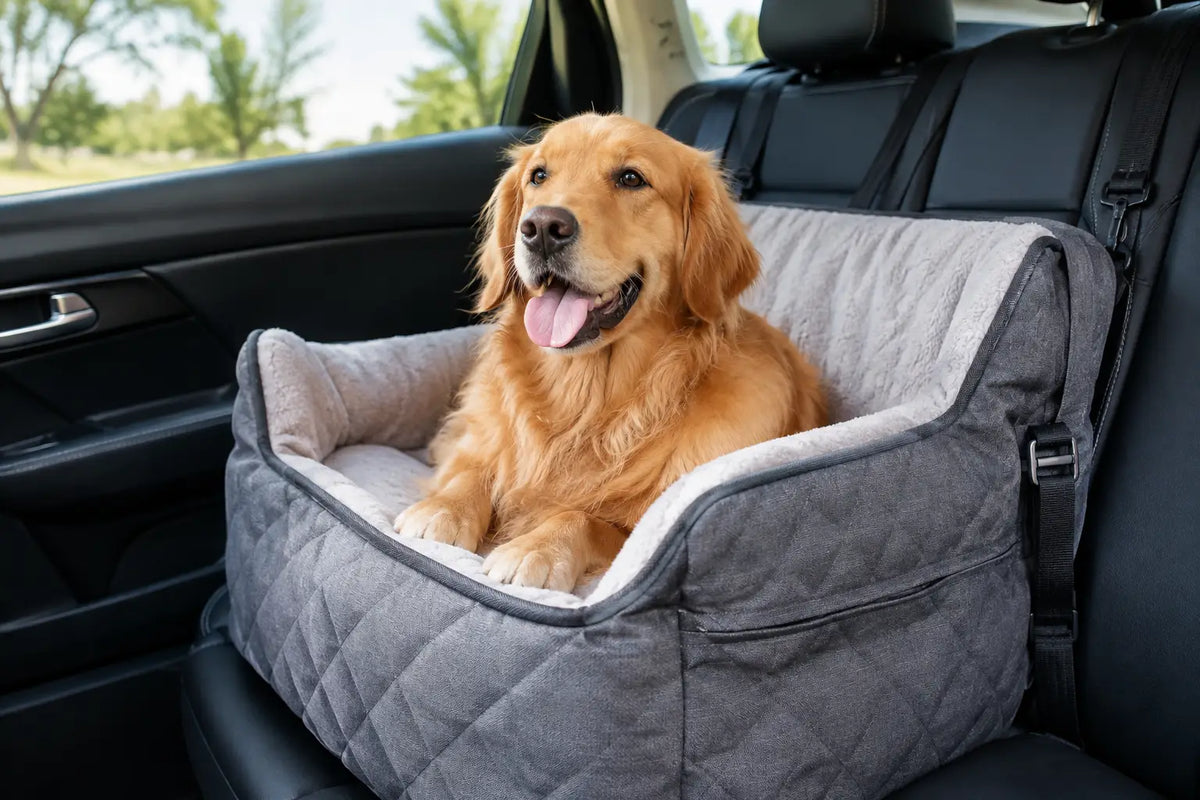
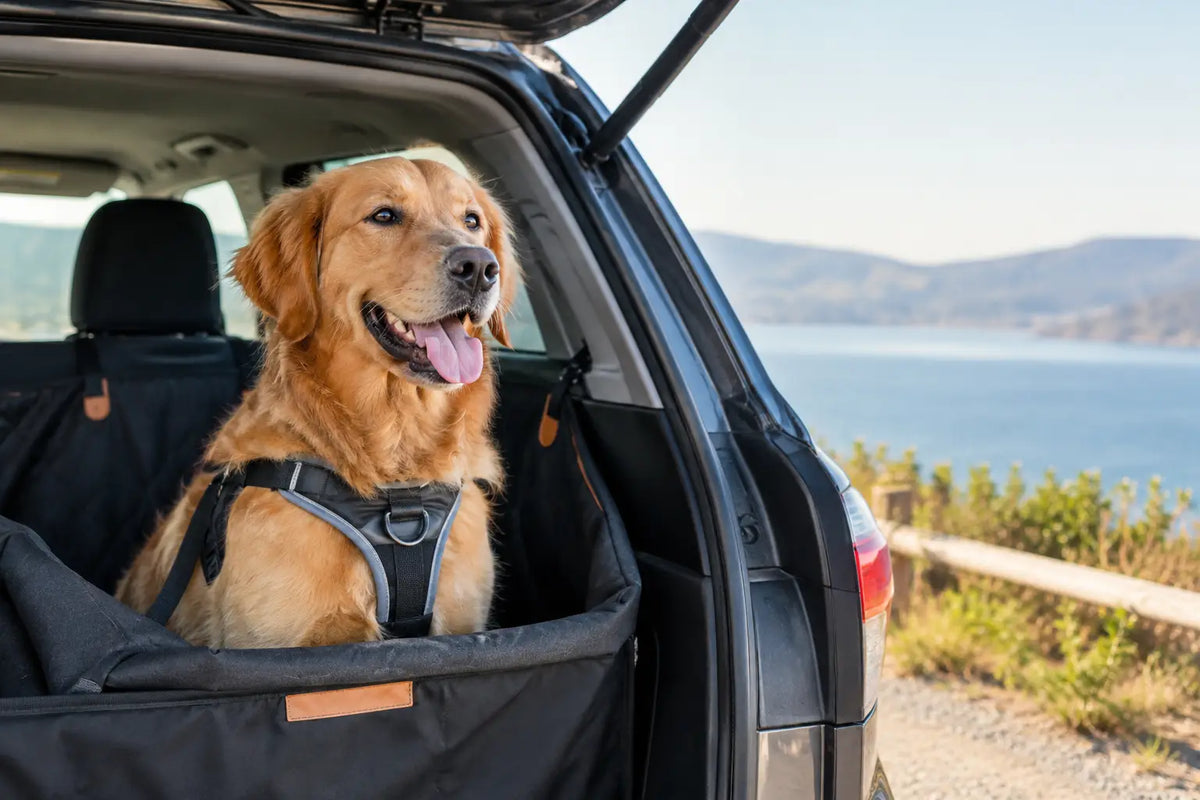
A rear support harness is most useful when it preserves independence without asking too much of your dog. That might mean a supported wander into the garden, a few minutes of fresh air, getting safely from the house to the car, or joining the family at their favourite quiet spot.
Keep early sessions short, especially after injury or surgery. Choose level, non-slip ground and avoid sudden turns, steep slopes and excited greetings. If your dog is tired, sit with them rather than encouraging one more lap. Mobility equipment should make life more comfortable, not turn recovery into a test of endurance.
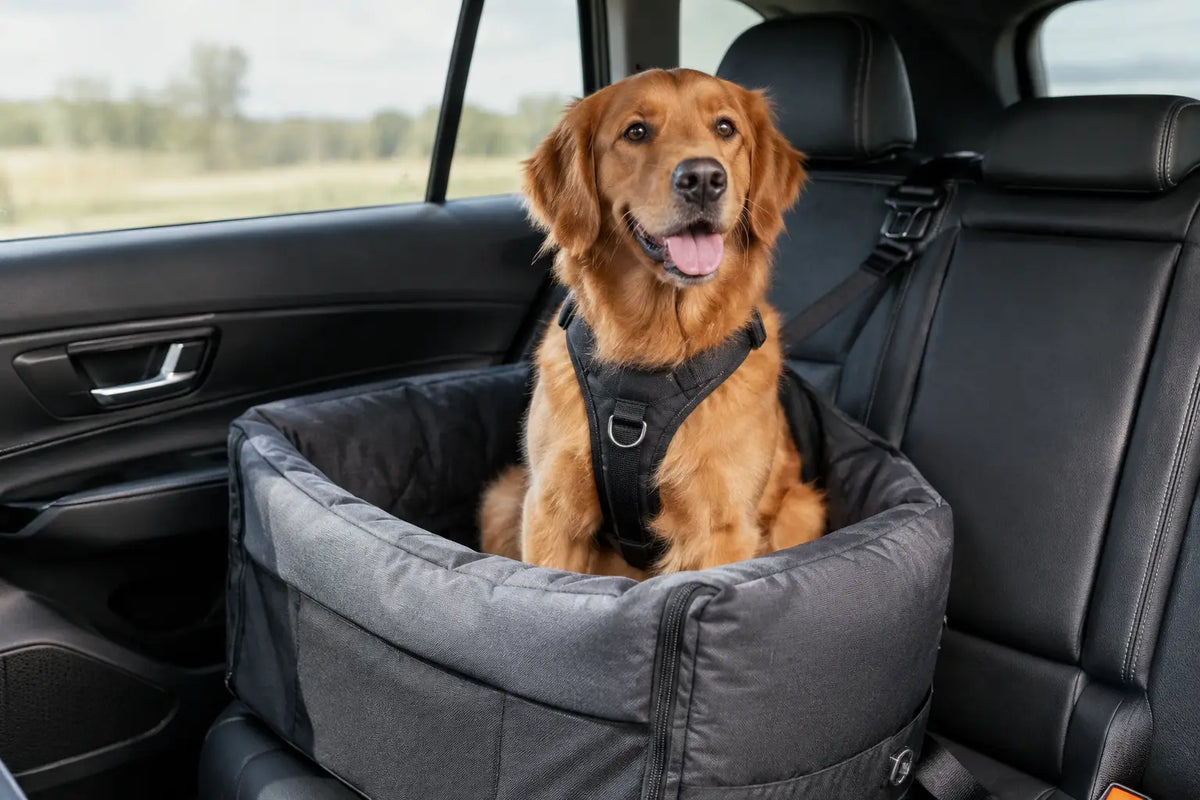
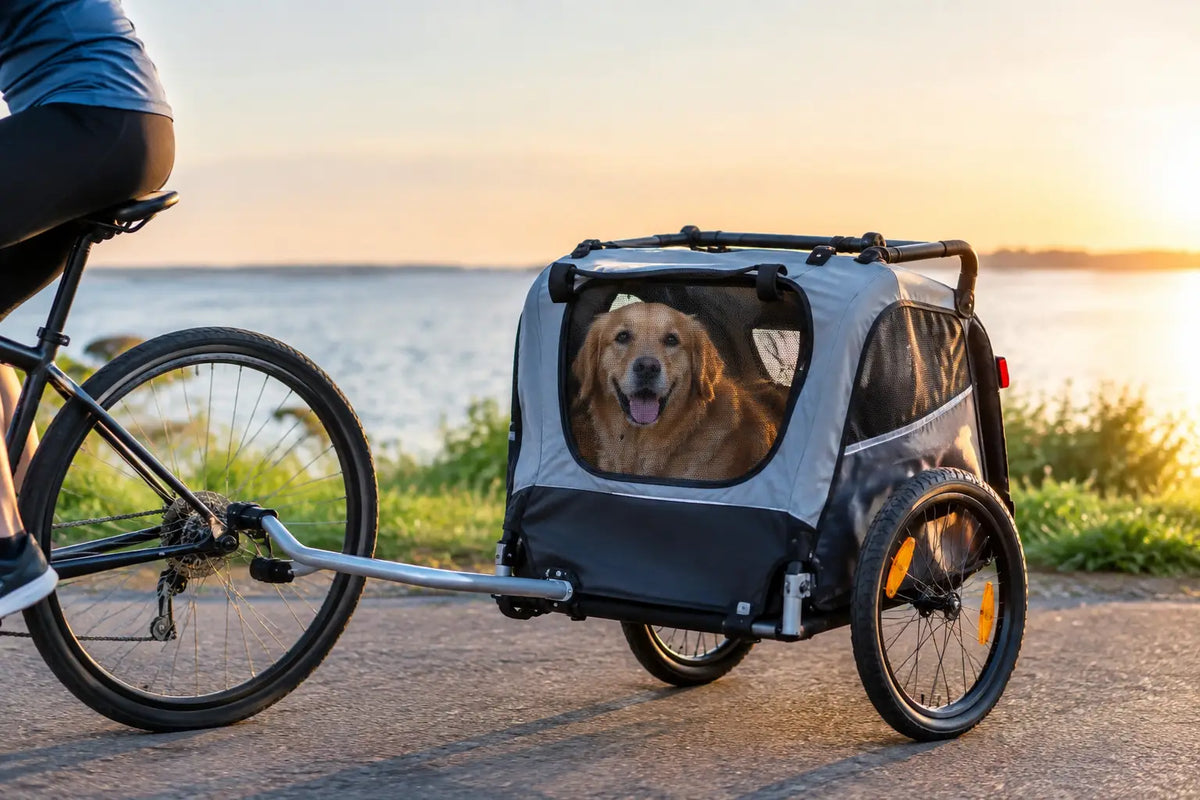
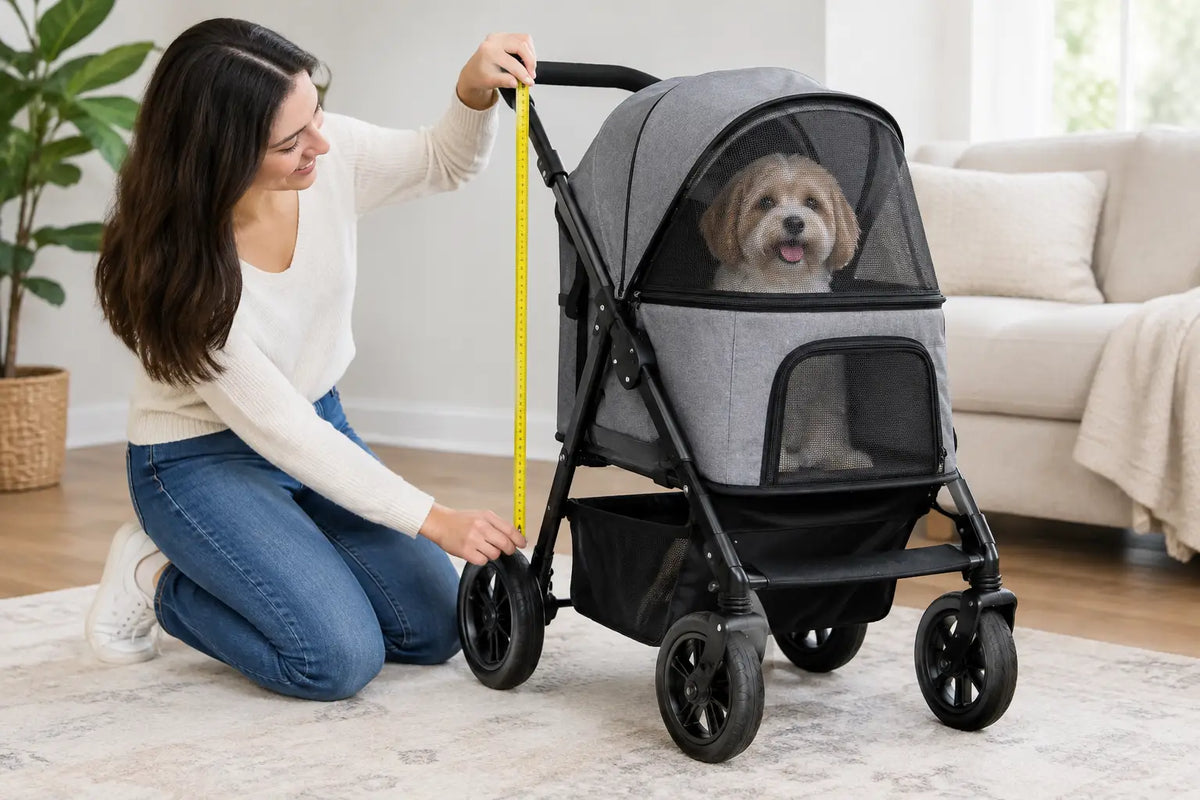
For longer outings, consider whether a dog stroller gives your companion a better balance of movement and rest. Many senior and recovering dogs enjoy walking for a little while, then riding comfortably when their legs have had enough. Your dog deserves a seat on the adventure too, particularly when their body cannot manage the full distance.
Common fitting mistakes to avoid
The most common mistake is fitting the harness while the dog is lying down, then assuming it will work when they stand. Bodies change shape under weight, so make final adjustments with your dog upright. Another is using the handle to pull a reluctant dog forwards. If they stop, assess why: pain, fatigue, fear, a surface they cannot grip or a harness that has shifted are all possible reasons.
Avoid leaving a support harness on for long periods unless its instructions specifically allow it. Most are walking aids, not all-day garments. Remove it after use, brush away mud or grit, and check buckles, stitching and padding regularly. A clean, dry harness is kinder to skin and will last longer.
Finally, do not judge success only by distance. A dog who can get outside safely, toilet with less anxiety and stand beside you to sniff the air has gained something valuable. Fit the harness patiently, listen to what their movement tells you, and let every supported step be one that keeps them part of family life.