
Dog Carriers for Safe, Comfortable Travel
A carrier is more than a way to get from A to B. The right dog carriers give a nervous puppy a protected space, let a small dog join a café trip without being overwhelmed and make a journey kinder for a senior dog who cannot manage the miles. Your dog deserves a seat on the adventure too, but that seat needs to suit the journey, their body and their temperament.
For some families, a lightweight shoulder carrier is ideal for public transport. For others, a structured airline carrier, a crash-tested car crate or a stroller with a secure cabin is the more responsible choice. The best option is rarely simply the prettiest one. It is the one that keeps your companion calm, supported and safely contained where you are going.
Choose dog carriers by the journey
Start with the travel method rather than your dog's breed alone. A carrier that works beautifully on a short walk to the groomer may be unsuitable for a two-hour car journey or an airline cabin.
For everyday errands and public transport, a soft-sided carrier can be a practical choice for small dogs that are happy being close to their person. Look for breathable mesh panels, a firm removable base and closures that cannot be nudged open. A padded shoulder strap matters more than it may seem, particularly if your dog is close to the carrier's upper weight limit. A bag that is comfortable for five minutes can become hard work by the end of a station platform.
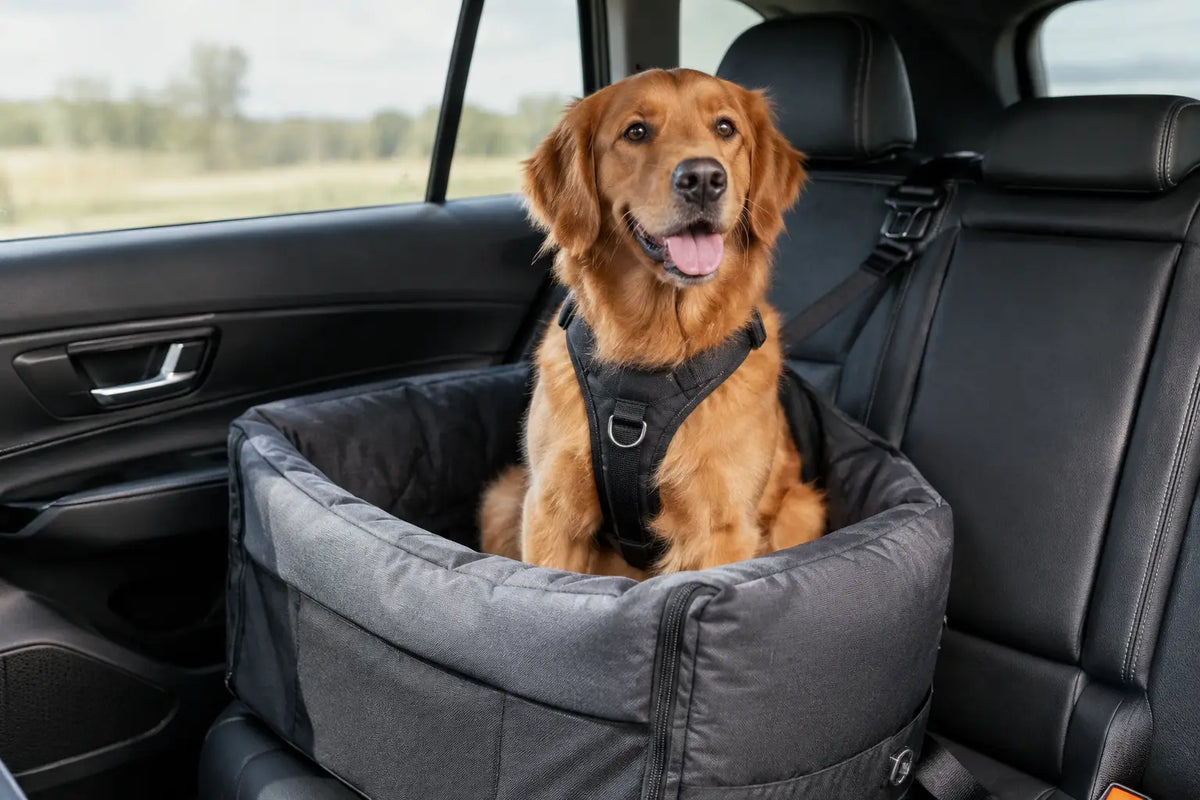
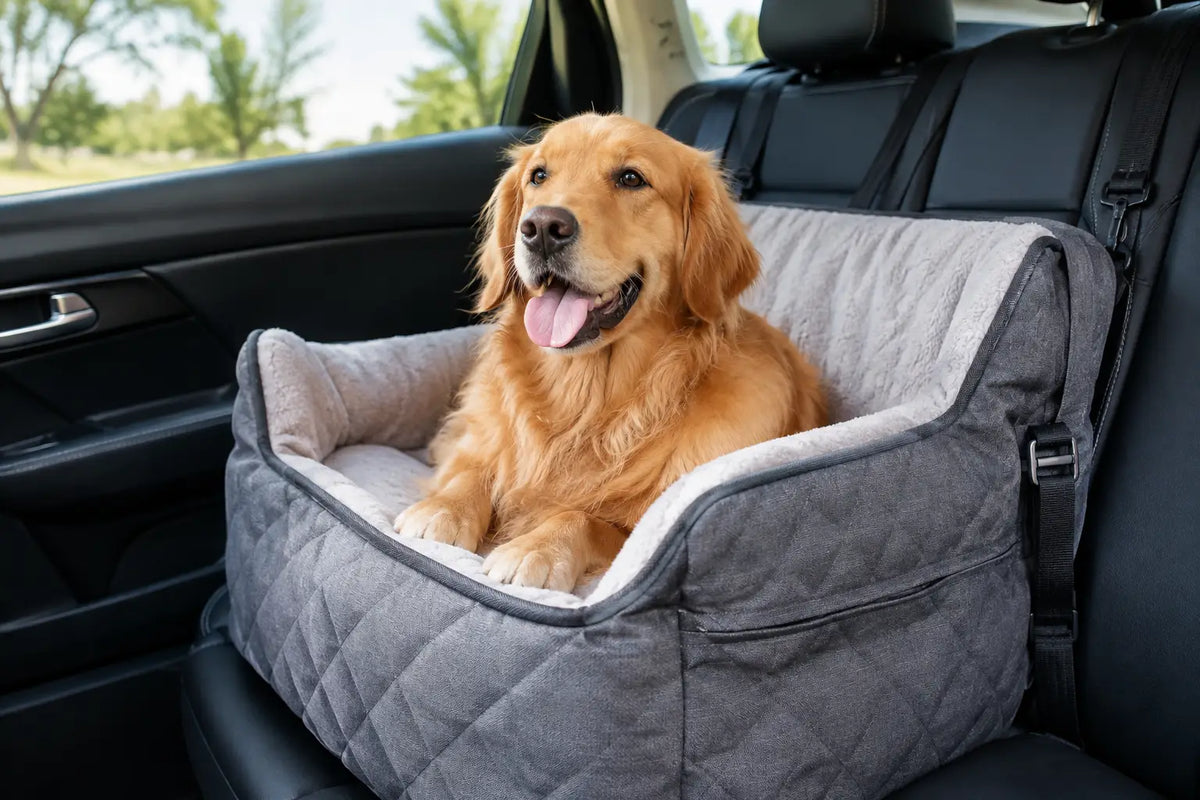
For car travel, be clear about what a carrier can and cannot do. An ordinary fabric carrier may provide containment, but it is not automatically a safety restraint. If protection in a collision is the priority, choose a product specifically designed and tested for vehicle use, such as a crash-tested crate or an appropriately specified pet car seat. Check the testing information, the stated weight range and how it attaches to your particular vehicle. A premium carrier should never be assumed to be crash-safe just because it feels sturdy.
For flights, an airline-compliant carrier is essential, but compliance is never universal. Each airline sets its own permitted external dimensions, pet weight limit, ventilation rules and booking process. Measure the carrier once it is fully assembled, then compare it with your airline's current cabin-pet requirements before booking. A carrier described as suitable for airline travel may be accepted by one airline and refused by another.
When a stroller is the better answer
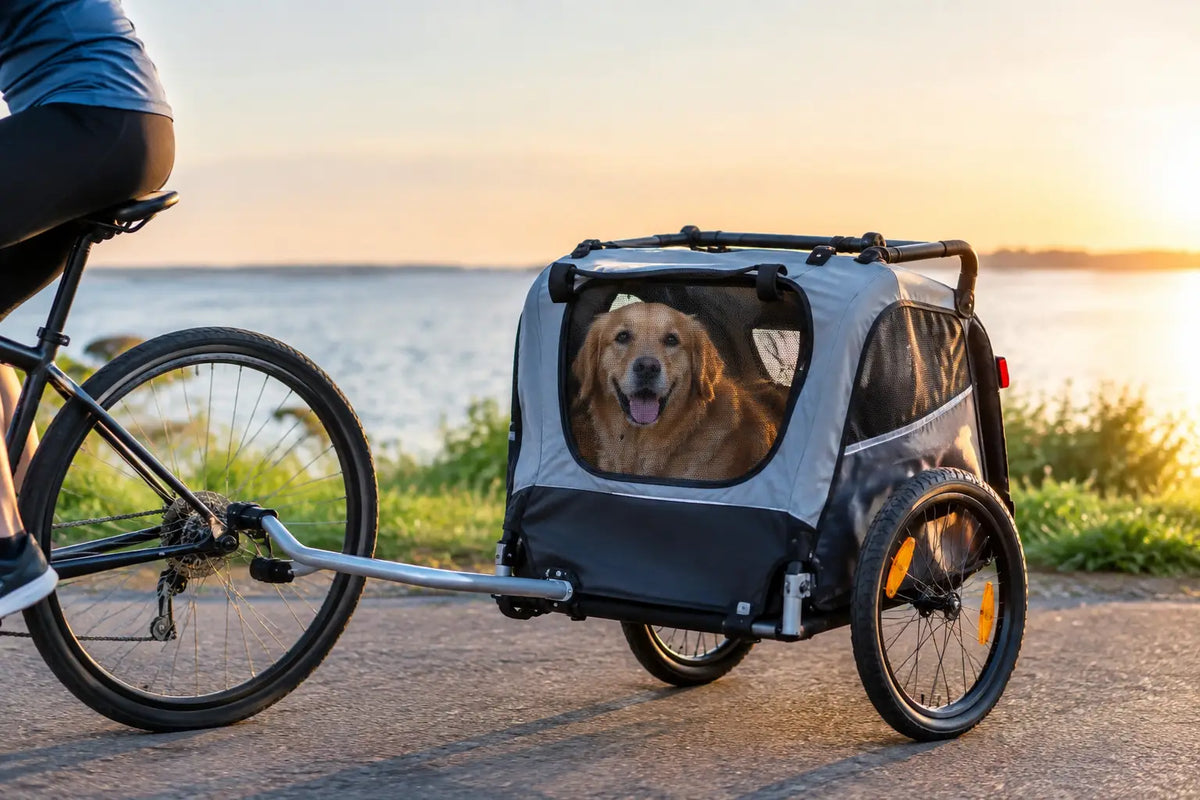
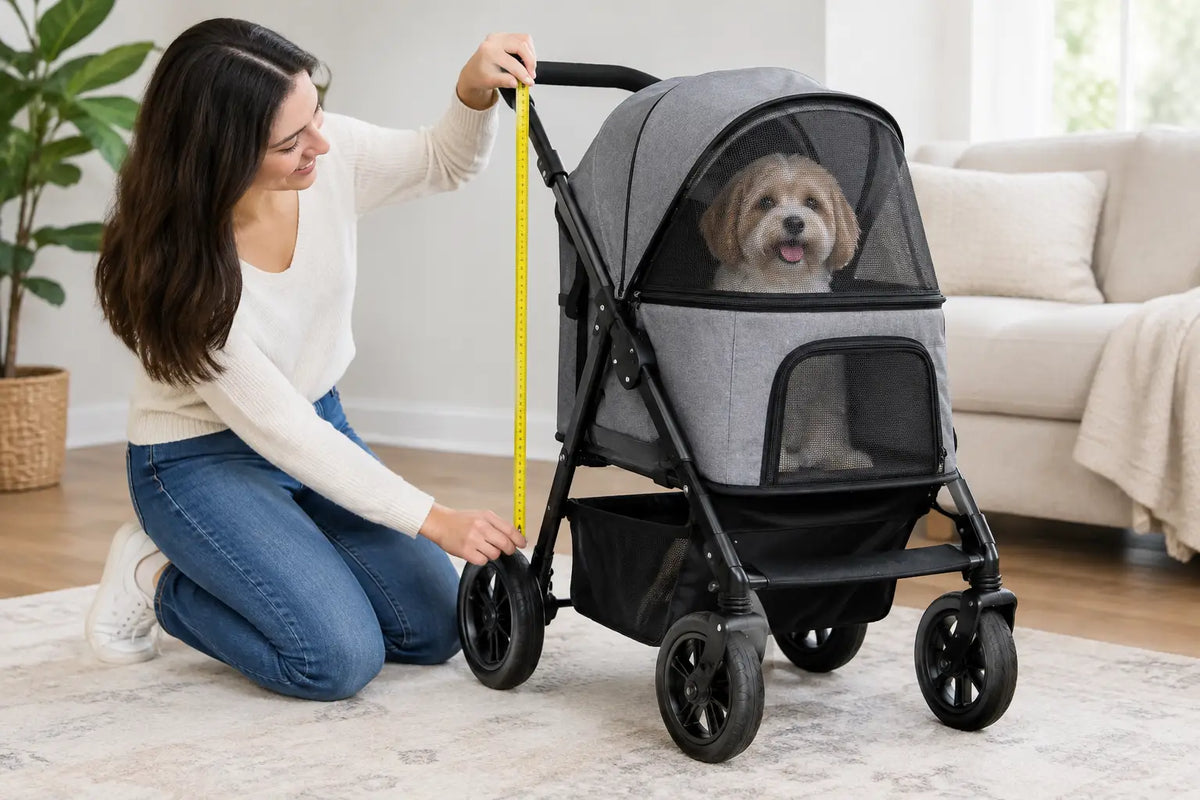
A dog who is recovering from surgery, living with IVDD, managing arthritis or tiring easily may find a hand-carried bag uncomfortable and restrictive. A dog stroller can offer a level, supported cabin with room to reposition, while allowing them to enjoy fresh air and family days out. It is also a thoughtful option for puppies who have not completed vaccinations and should not walk in busy public areas.
A stroller is not a replacement for a secure car restraint, and a carrier is not always a replacement for a stroller. Matching the equipment to the activity protects your dog's comfort and preserves their confidence in getting out and about.
How should a dog carrier fit?
A dog should be able to stand naturally, turn around and lie down in a relaxed position inside their carrier. That is the starting point, not a luxury. If they must hunch, curl tightly or press their head against the roof, the carrier is too small. If it is dramatically oversized, a small dog may slide about and feel less secure when it is moved.
Take three simple measurements while your dog is standing: their length from chest to base of tail, shoulder height and widest point across the body. Then compare these with the manufacturer’s internal dimensions, not just the external size printed on the label. Internal space can be reduced by thick padding, frame bars or angled walls.
Weight capacity matters too, though it should not override the fit. A carrier rated to 10kg is not automatically suitable for every 10kg dog. A compact, short-backed dog and a long-bodied dachshund may have identical weights but need very different internal proportions. For dogs between sizes, choose the shape that gives the most natural resting position rather than relying on weight alone.
Comfort features that genuinely matter
Dogs do not need unnecessary fuss, but travel becomes much easier when a carrier accounts for how they experience movement, heat and unfamiliar surroundings. Ventilation on more than one side is valuable in warm weather and in busy spaces. Mesh should be strong enough to resist claws, while still allowing your dog to see and smell their surroundings if that helps them settle.
A stable, wipe-clean base supports the body better than a carrier that sags in the middle. For older dogs, dogs with joint pain and very small puppies, a well-cushioned base can reduce pressure on hips and elbows. Add a familiar blanket if it does not compromise the available room or block ventilation. Familiar scent often makes a new carrier feel less like confinement and more like a safe sleeping spot.
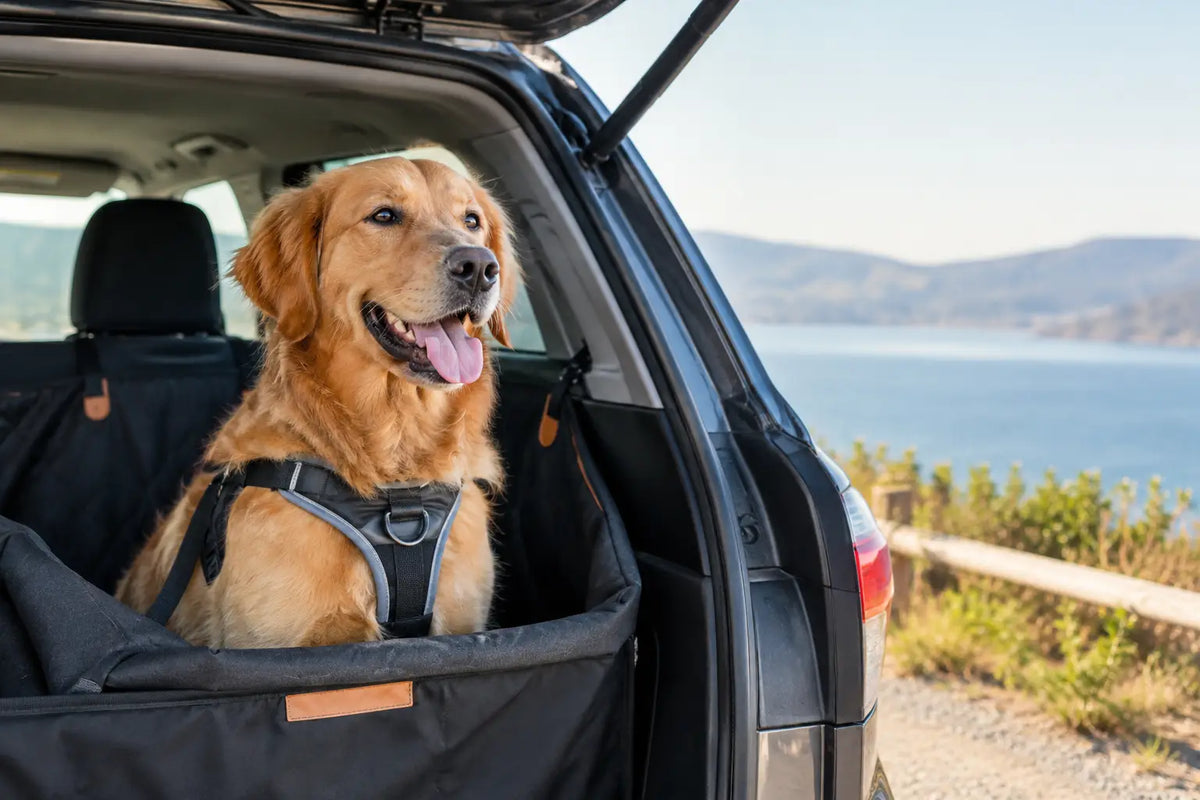
Secure entry points are equally important. Many dogs are most likely to wriggle free while being lifted, when a zip has not been fully closed or a top opening is left unsecured. If the carrier includes an internal tether, attach it only to a well-fitted harness, never a collar. A sudden jump against a collar can cause a neck injury.
Help your dog feel at home before departure
Even the finest carrier can be stressful if it only appears moments before a vet appointment. Introduce it at home with the door open and a soft blanket inside. Let your dog investigate at their own pace, then reward calm choices such as stepping in, sitting inside or resting with the door briefly closed.
Build up gradually. Carry the bag around the room, take a short walk outside, then try a brief car journey. Keep early sessions quiet and positive. If your dog pants heavily when they are not warm, drools excessively, claws at the sides or refuses treats they normally love, slow the process down. These can be signs that they are worried or overstimulated.
For dogs who dislike being lifted, consider a carrier with a wide top opening or a low, structured entrance. Gentle handling matters, especially for dogs with back problems, reduced mobility or recent surgery. Supporting both chest and hindquarters as you transfer them prevents an awkward twist.
A practical safety check before every trip
Before leaving, take a minute to check the essentials:
- The carrier is appropriate for the journey and your dog's current weight and measurements.
- All zips, clips and fastenings are fully secured, with no damaged mesh or loose stitching.
- Your dog is wearing a correctly fitted harness if an internal tether is used.
- Ventilation is clear and the carrier is protected from direct heat or cold.
- You have water, any medication, waste bags and a familiar comfort item for longer outings.
Style has a place, but safety comes first
A carrier can look good without becoming a fashion accessory at your dog's expense. Quality materials, thoughtful colours and a design you are happy to carry every day can make you more likely to use it. That helps your dog stay included in the ordinary moments that matter: a train ride to visit family, a city break, a coffee with friends or a holiday further afield.
But always put secure construction, correct sizing and suitable travel credentials ahead of appearance. For a dog who needs extra support, dignity is found in equipment that lets them participate comfortably, not in asking them to push through pain or exhaustion.
The right carrier should make the world feel more accessible for both of you. At Pets Own Us, we believe careful travel choices help keep every family member close to the moments worth sharing.