Choosing an ISOFIX Dog Car Seat for Safety
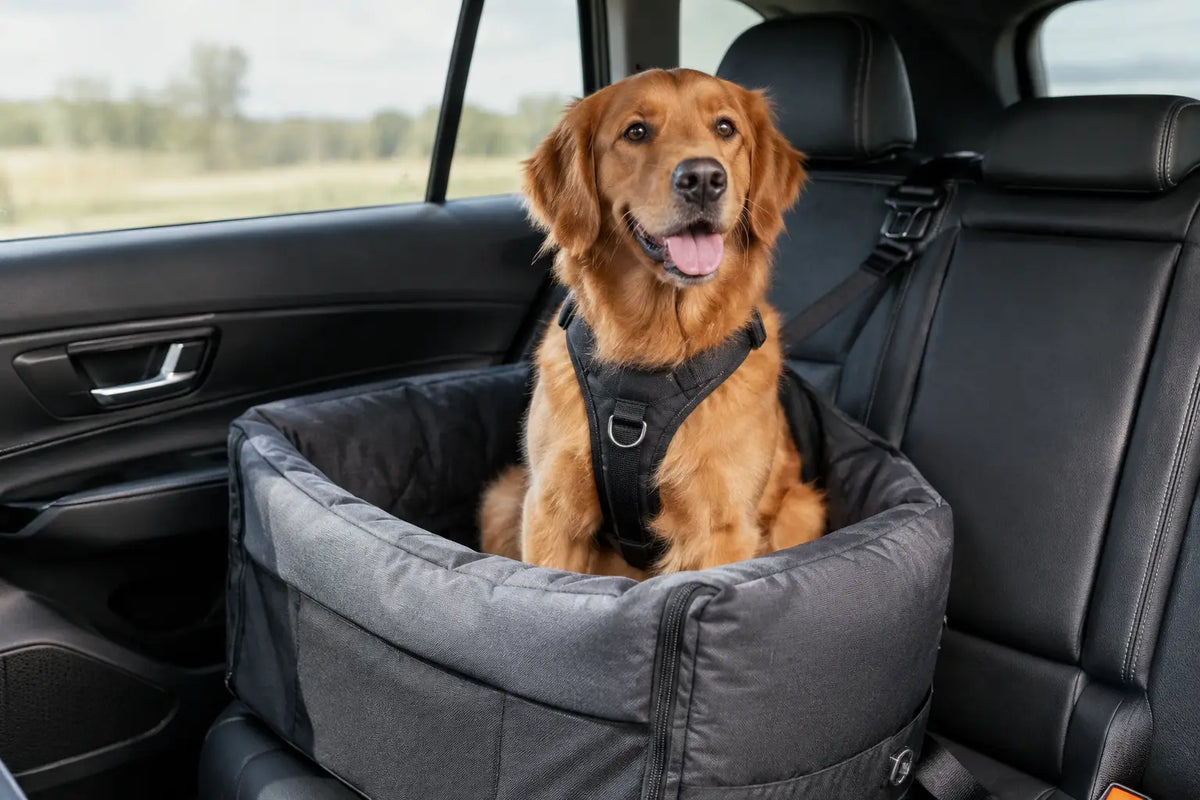
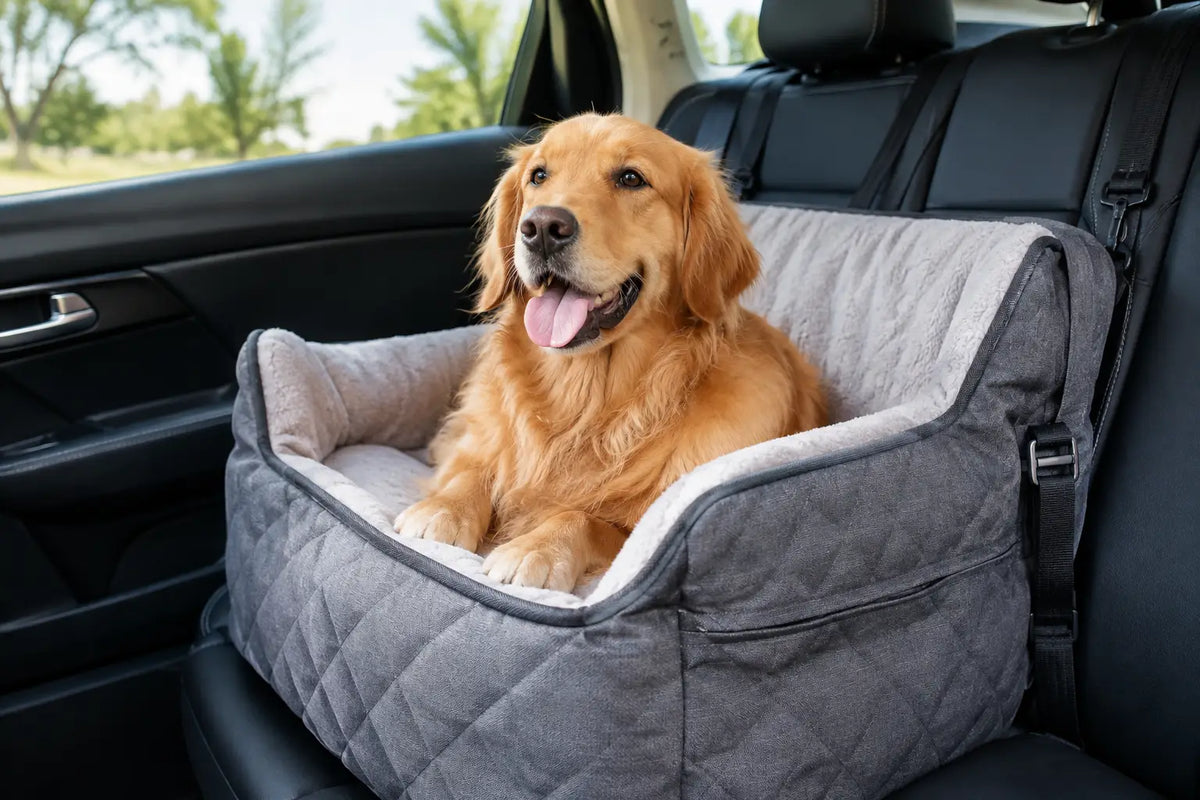
The moment the brakes go on sharply, a loose dog can become frightened, injured or a danger to everyone else in the car. An ISOFIX dog car seat gives smaller companions a dedicated, secure place to travel, rather than leaving them to balance on a passenger seat or be held in someone’s arms. Your dog deserves a seat on the adventure too - but the right one must fit both your pet and your vehicle.
What an ISOFIX dog car seat does differently
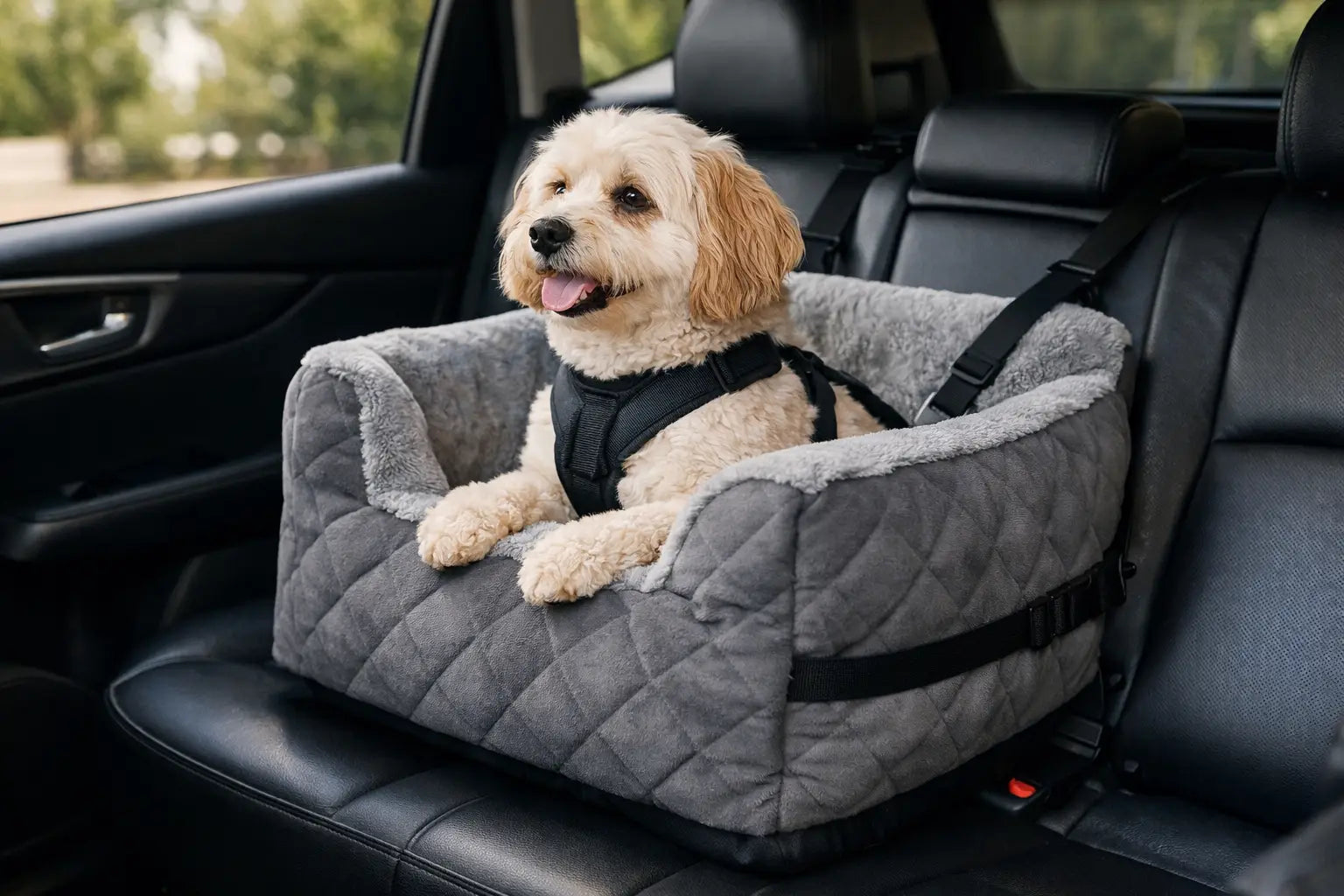
ISOFIX is the vehicle anchoring system built into many modern cars. Instead of relying solely on the adult seat belt to hold the pet seat in place, compatible ISOFIX connectors attach directly to fixed anchor points between the backrest and base of the vehicle seat. This can reduce movement of the seat during normal driving and makes installation more consistent.
That distinction matters. A conventional booster-style dog seat may offer a raised view and a cosy place to settle, but it is not automatically designed to manage the forces of a collision. Nor does an ISOFIX connection alone make every product crash tested. The safety of the complete system depends on its engineering, the way it is attached, the restraint used for the dog and whether it is suitable for your vehicle.
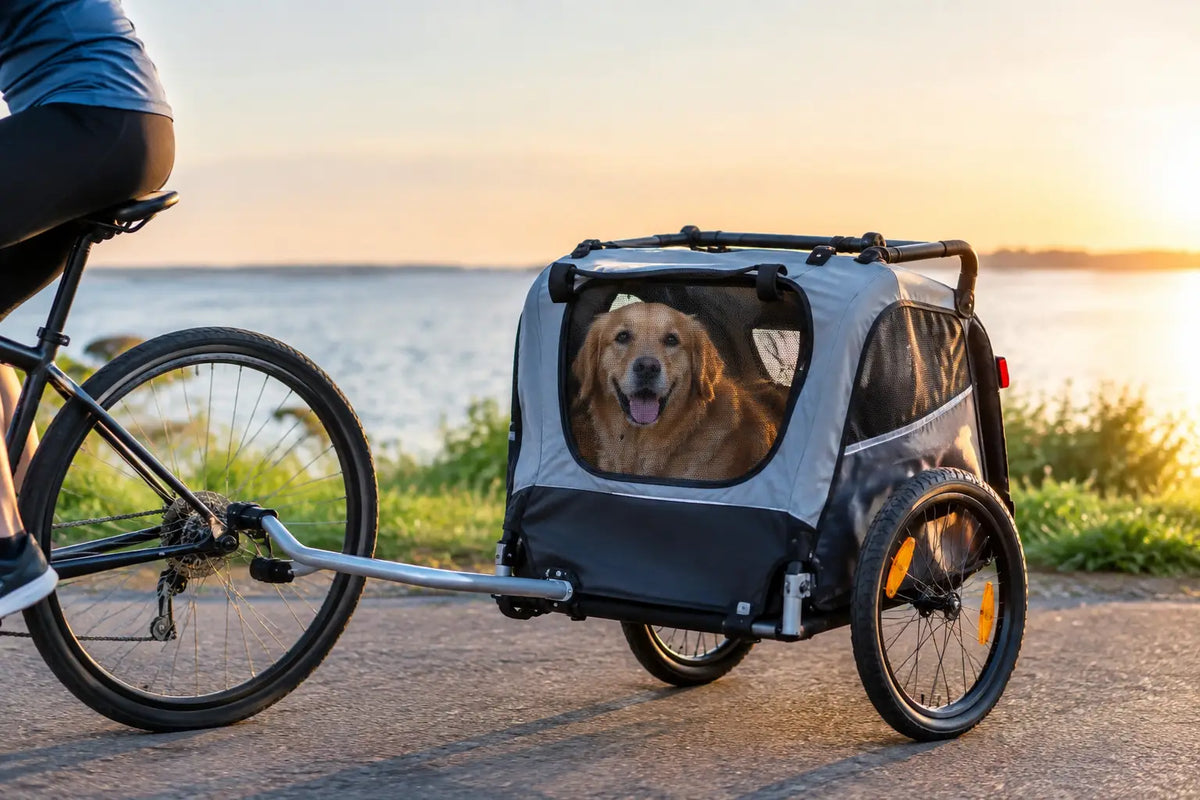
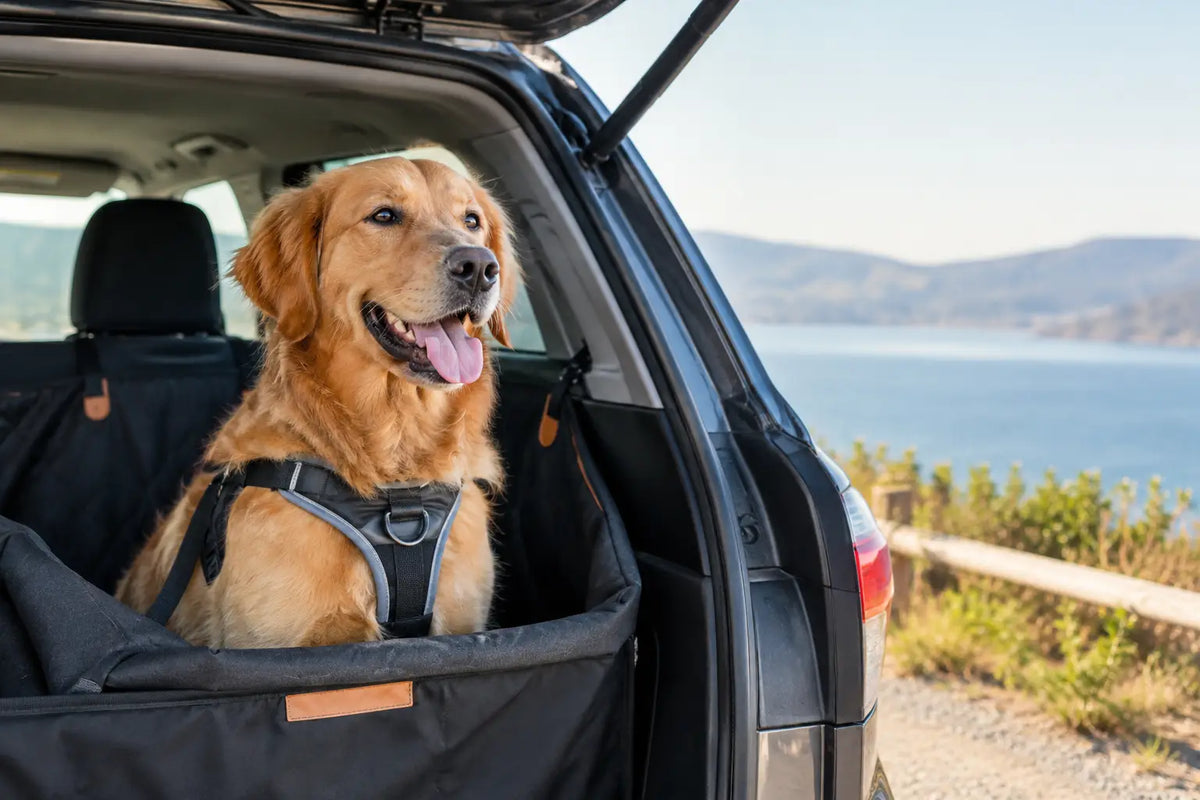
For many small dogs, an ISOFIX pet car seat can offer a reassuring middle ground between travelling loose and using a full-size car crate. It keeps them contained, close to their family and often high enough to look out, which can help some dogs feel more settled. It is not the best answer for every dog, however. Larger dogs usually need a properly sized crash-tested crate, vehicle-specific restraint or boot-based travel solution.
Start with your car, not the product photos
The first question is whether your car has ISOFIX anchor points where you intend your dog to travel. They are commonly found on the outer rear seats, marked by small ISOFIX labels or symbols, but layouts vary considerably. Check your vehicle handbook rather than assuming every rear position has them.
A seat may be ISOFIX-compatible in principle yet unsuitable for a particular vehicle because of its seat shape, head restraints, buckle position or the gap around the anchor points. If the pet seat uses a support leg, check that the footwell is suitable too. Some cars have underfloor storage compartments that need a manufacturer-approved insert before a support leg can be used safely.
Rear-seat travel is generally the sensible choice for pets. A front passenger seat puts a dog close to an active airbag, which can cause serious harm in a collision. Never place a pet seat in front of an active airbag unless both the vehicle and pet seat manufacturers explicitly permit that arrangement and the airbag has been correctly deactivated where required.
Before buying, confirm the product’s stated vehicle compatibility, maximum pet weight and installation method. Premium equipment should make these details clear. If you are unsure, asking for expert advice before ordering is far better than trying to make an almost-compatible seat work on the day of a journey.
Look beyond the word “secure”
Safety claims deserve a closer look, particularly when your dog will travel regularly or on faster roads. “ISOFIX” describes an attachment method. “Crash tested” describes testing of a product or system. They are useful terms, but they do not mean exactly the same thing.
Look for clear information about whether the seat has been impact tested or crash tested, what size and weight of pet it was designed for, and whether the test relates to the seat alone or the seat used with its specified restraint. A product should also state how the dog is secured inside. Many seats include an internal tether that attaches to a harness, helping to prevent a dog jumping out or moving around while the car is in motion.
Attach that tether to a well-fitting travel harness, never to a collar. In sudden braking, a collar can concentrate force on the neck and throat. A harness should fit snugly without restricting breathing or shoulder movement, and it should be used exactly as its maker instructs.
There is a practical trade-off here. A higher-sided, more enclosed seat may offer better containment for a nervous or excitable dog, while an open booster style may suit a calm dog who values a view. The safest choice is the one with evidence-based design that your particular dog can tolerate comfortably enough to remain settled.
Measure your dog for real travelling comfort
Weight limits are essential, but they are only one part of the fit. Two dogs of the same weight can have very different body shapes. A long-backed dachshund, compact French bulldog and leggy miniature poodle may all need different internal dimensions despite appearing similar on a scale.
Measure your dog from chest to rump while they are standing naturally, then consider how they curl up when resting. They should be able to sit, turn and lie in a natural position without spilling over the sides or being compressed against the restraint. The seat must not be so spacious that a tiny dog slides from side to side during corners.
Think about their travelling posture as well. Dogs with IVDD, arthritis, recovering injuries or reduced mobility may need a flatter, more supportive base and a low, manageable entry point. Repeated lifting into a high-sided seat can be uncomfortable for a senior dog, even if the seat itself is beautifully padded. A lightweight dog may still need thoughtful handling.
If your dog is prone to travel sickness, a stable, level position can be more useful than an elevated view. Keep the first journeys short and build positive associations with treats, a familiar blanket and calm driving.
Installation is part of the safety system
A premium seat cannot compensate for a rushed installation. Read the instructions before fitting it, then practise connecting and removing it while parked at home. ISOFIX connectors should click into place and show the correct visual indicator where fitted. Push and pull the base gently once installed: it should feel firmly anchored, with only the movement permitted by its design.
Position the seat according to its instructions, secure any top tether or stabilising strap if supplied, and adjust the dog’s internal tether before setting off. It should be short enough to discourage climbing out, but not so tight that your dog cannot lie down or reposition themselves. Avoid adding unapproved cushions, clips or extensions, as these can change how the seat performs.
Do not leave your dog attached in the car seat unattended. Even a confident traveller may become tangled, overheat or panic when left alone. For longer drives, plan regular stops for water, toileting and a gentle stretch on a lead. This is especially valuable for older dogs and small breeds, who can become stiff or chilled more quickly.
When an ISOFIX seat is not the right choice
An ISOFIX dog car seat is usually designed for small dogs, puppies and sometimes cats. It is not a shortcut to safe travel for a dog outside its stated size range. Never exceed the manufacturer’s maximum weight just because your dog can physically squeeze into the seat.
For a medium or large dog, a crash-tested crate secured in the vehicle may be the safer option. For a dog with substantial mobility needs, a crate with easy access, a supportive bed and enough space to change position can be kinder than a raised seat. Some dogs also find enclosed travel more calming than being perched up high with visual stimulation all around them.
The best setup depends on your car, your routes, your dog’s size and temperament, and whether their health changes over time. A young terrier who loves looking out of the window may thrive in an ISOFIX seat; a post-operative dog may need a quieter, roomier recovery arrangement for a few weeks.
Make the seat a familiar place before the first trip
Set the car seat up indoors or in the parked car first. Let your dog investigate at their own pace, then reward calm behaviour inside it. Begin with a minute or two while stationary, followed by brief local drives. This approach is particularly helpful for rescue dogs, puppies and pets who have learned to associate the car with veterinary visits.
Wash removable covers according to their care instructions and check the connectors, straps and stitching regularly. Replace the seat if it has been involved in a collision, even where damage is not obvious, unless its manufacturer confirms otherwise. Safety equipment works hardest when you hope never to need it.
The right car seat does more than contain a small dog. It gives them a comfortable, considered place in family life - for school-run detours to the park, weekend visits and every small adventure that is better because they came along.